The Well-Frog and the Summer Insect
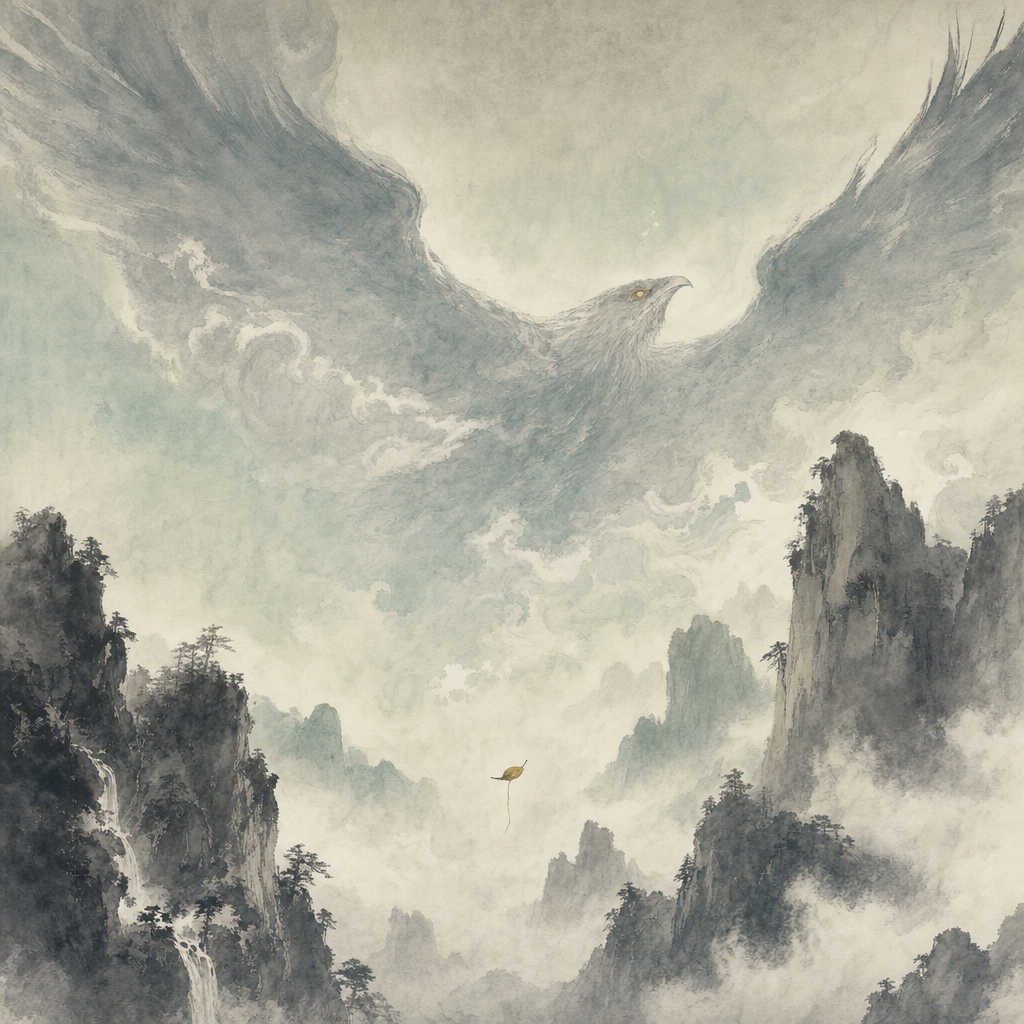
The Spirit of the Ocean explains why the River Spirit could not have understood the ocean before encountering it: creatures are bounded by their sphere. You cannot speak of ice to a summer insect, whose life does not extend to winter. You cannot speak of the ocean to a well-frog whose entire world is the circumference of a well. And, most pointedly, you cannot speak of Tao to a pedagogue whose scope is restricted by accumulated doctrine. Understanding requires an expansion of scope, not merely an accumulation of more data within a narrow frame.
You cannot speak of ocean to a well-frog,--the creature of a narrower sphere. You cannot speak of ice to a summer insect,--the creature of a season. You cannot speak of TAO to a pedagogue: his scope is too restricted.
Dimensions Are Limitless, Terms Are Not Final
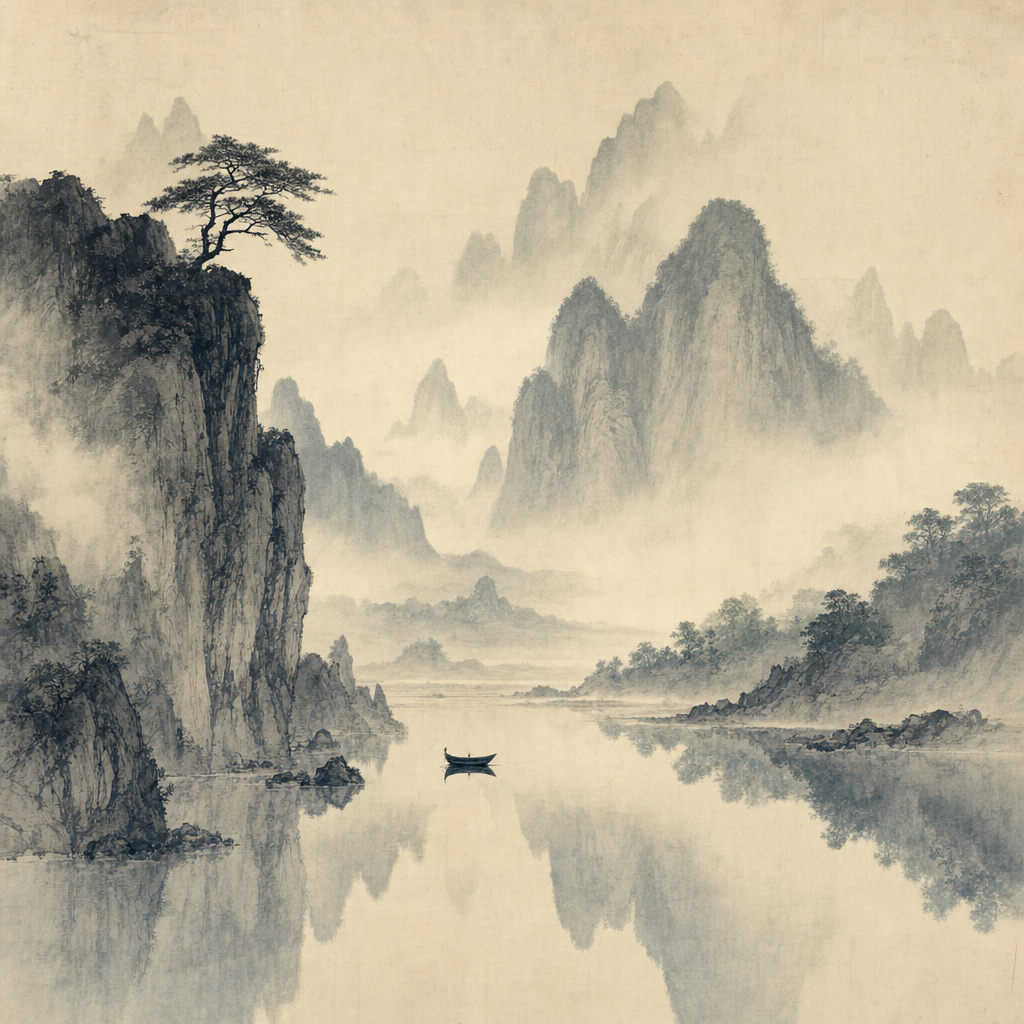
The Ocean Spirit states: "Dimensions are limitless; time is endless. Conditions are not invariable; terms are not final." These four observations dismantle the naive assumption that our current categories map the shape of reality. What man knows is not to be compared with what he does not know. The span of existence is not to be compared with the span of non-existence. The wise man looks into space and does not regard the small as too little or the great as too much — because he knows there is no limit to dimension.
This chapter is sometimes called the centrepiece of the Zhuangzi. Its argument is that relativism is not a counsel of despair but of liberation. If no perspective is absolute, clinging to any one perspective becomes absurd. The chapter itself demonstrates the lesson: the River Spirit, once convinced of his own greatness, is now open to a larger horizon. That openness — not any fixed conclusion — is what Zhuangzi is teaching.
Chapter XVII of the Zhuangzi (Giles, 1889). This chapter has earned Zhuangzi the Chinese literary sobriquet "Autumn Floods."
Related Concepts