The Logic of Function
Aristotle observes that for any kind of thing with a characteristic function, doing that thing well constitutes its excellence. The function of a knife is to cut; a good knife cuts well. The function of a doctor is to produce health; a good doctor produces health reliably. The question is whether human beings have any such function — and if so, what it is.
What Is Distinctively Human
Aristotle rules out mere life — plants have that. He rules out sentient life — animals have that. What remains is the life of the rational soul: the capacity to act in accordance with reason, and to exercise reason in governing our desires and choices. This is what distinguishes us from every other kind of living thing.
it is a working of the soul in the way of excellence or virtue of a certain kind: and of the other goods, some we must have to begin with, and those which are co-operative and useful are given by nature as instruments.
From Function to Happiness
If the human function is the excellent exercise of rational activity, then human happiness — the state in which a person is doing well as a human being — is the excellent and sustained exercise of that activity. This is not a circular definition but a genuinely informative one: it tells us where to look for happiness (in what we do, not what we feel) and what kind of thing it is (an activity, not a possession).
no man chooses happiness with a view to them, nor in fact with a view to any other thing whatsoever.
Objections and Limits
The function argument has been challenged on many grounds. Some deny that human beings have a single function; others argue that even if we do, its excellent performance need not constitute happiness. Aristotle is aware that the argument requires supplementation — the rest of the Ethics fills in what the excellent exercise of rational activity actually consists in. But the function argument gives the inquiry its direction: to understand the good life, we must understand what it is to be a good human being.
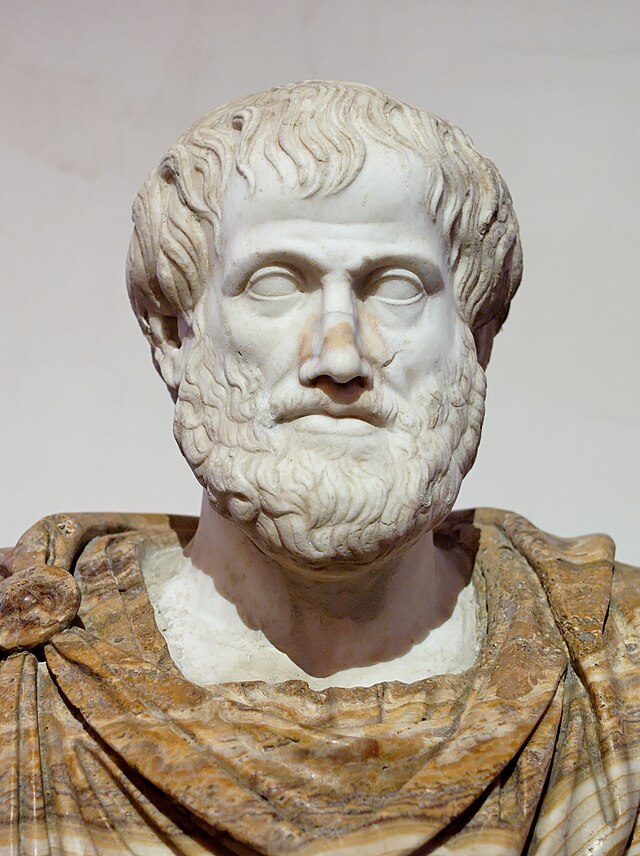
The function argument appears in Book I, Chapter 7 of the Nicomachean Ethics, as part of Aristotle's effort to give a precise account of eudaimonia.
Related Concepts