The Argument
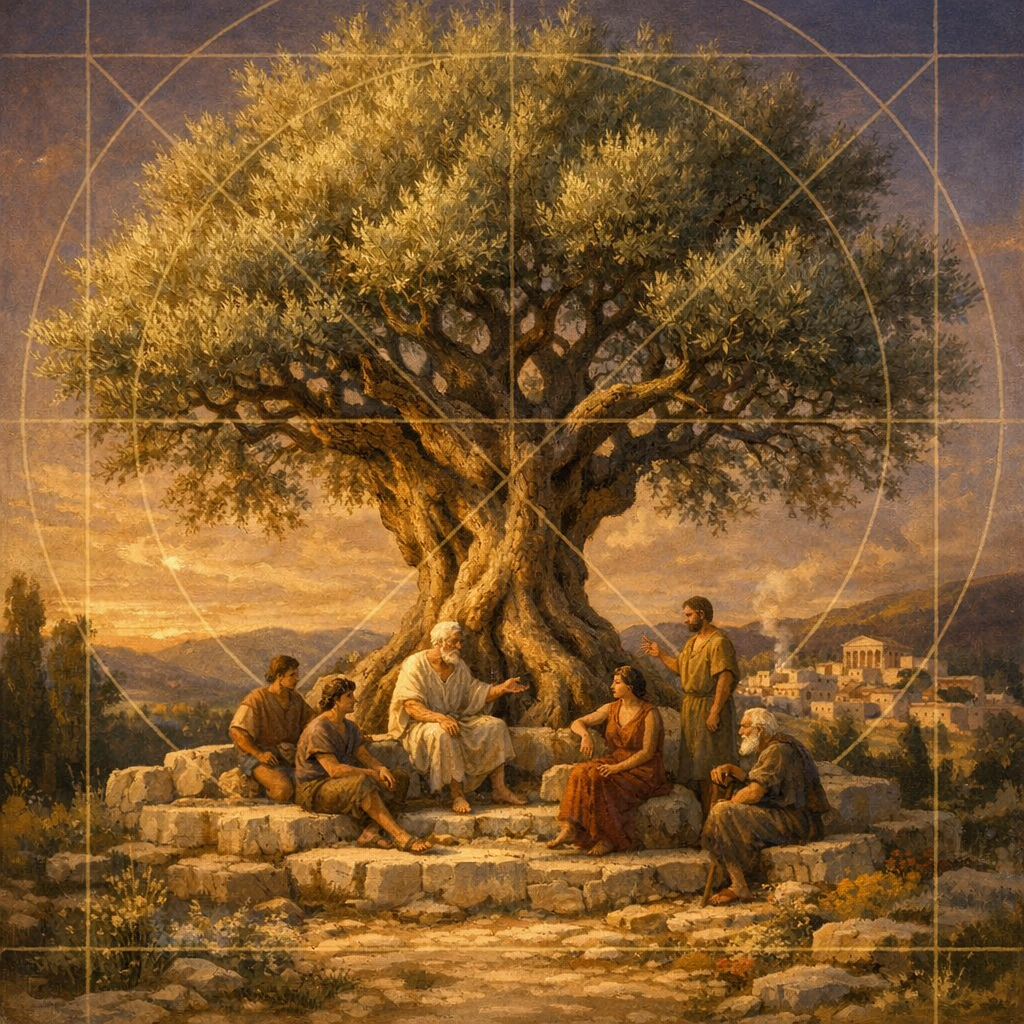
Aristotle's argument begins from the function argument. If the distinctively human function is rational activity, then the fullest exercise of reason constitutes the highest happiness. The fullest exercise of reason is contemplation — the sustained inquiry into the most important and unchanging truths. Contemplation is the most continuous activity we can sustain, the most self-sufficient (requiring the least from others), the most pleasant in itself, and the most divine in character.
That it is Contemplative has been already stated: and this would seem to be consistent with what we said before and with truth: for, in the first place, this Working is of the highest kind, since the Intellect is the highest of our internal Principles and the subjects with which it is conversant the highest of all which fall within the range of our knowledge.
A Life Beyond the Human?
Aristotle is aware that this ideal seems to exceed what ordinary human life can sustain. He speaks of the contemplative life as the life of something divine in us — the intellect. To live such a life is to live not merely as a human being but as the best thing in a human being. He does not say this is easily achieved or universally available. But he insists we should not, as the conventional wisdom urges, think only human thoughts because we are human — we should strive for the highest we can reach.
The Life of Virtue as Secondary
The life of practical virtue — courage, justice, generosity, friendship — is, Aristotle says, happy in a secondary sense. It is genuinely good and genuinely admirable. But it requires external conditions: others to be just toward, situations that call for courage, resources that allow generosity. Contemplation requires much less from fortune. The philosopher who thinks well is not dependent on the world in the same way.
Happiness then is co-extensive with this Contemplative Speculation, and in proportion as people have the act of Contemplation so far have they also the being happy, not incidentally, but in the way of Contemplative Speculation because it is in itself precious.
Knowledge Is Not Enough
The Ethics closes on a note of practical urgency. The contemplative ideal is not an invitation to withdraw from life into private philosophy. Virtue cannot be formed by argument alone — it requires habituation from youth, and habituation requires law, and law requires political science. Aristotle's final pages point from ethics to politics, reminding us that the good life is always embedded in a community, and that the philosopher's work is never finished while the city remains imperfect.
The contemplative life is discussed in Book X, Chapters 6-8 of the Nicomachean Ethics, in the context of Aristotle's final account of what happiness ultimately is.
Related Concepts