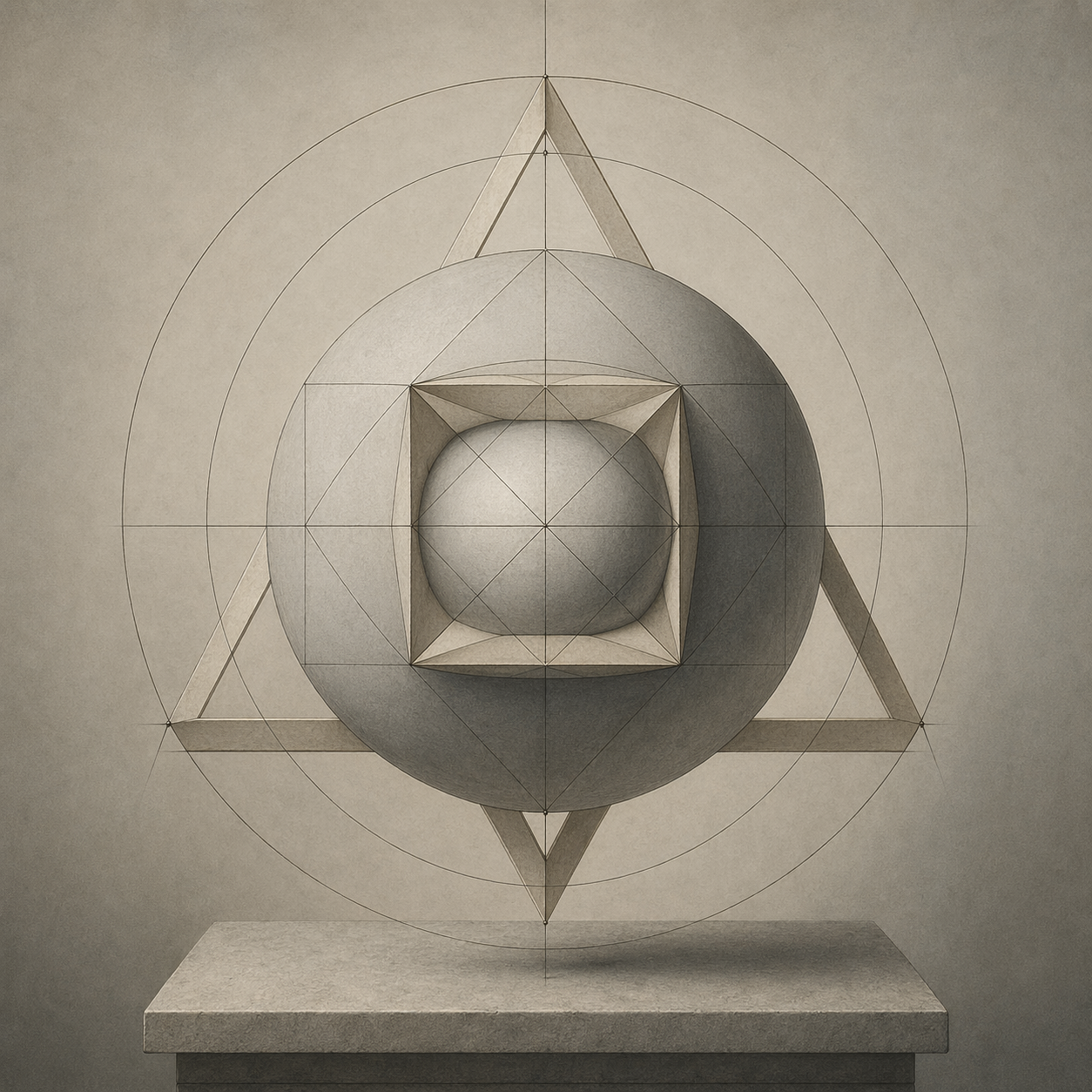
Written in the manner of a geometric proof — definitions, axioms, propositions, demonstrations — Spinoza's Ethics is one of the most audacious works in the Western philosophical tradition. Beginning with the nature of God (which he identifies with Nature itself), Spinoza proceeds, step by logical step, to a complete philosophy of mind, emotion, knowledge, and human freedom. God is not a transcendent creator but the single infinite substance of which everything is a mode; the human being is not a soul imprisoned in a body but a unified thing whose highest freedom lies in understanding necessity. Published posthumously in 1677, it was immediately condemned and deeply admired.
5 chapters · Public domain
More by Baruch Spinoza