Learning by Doing
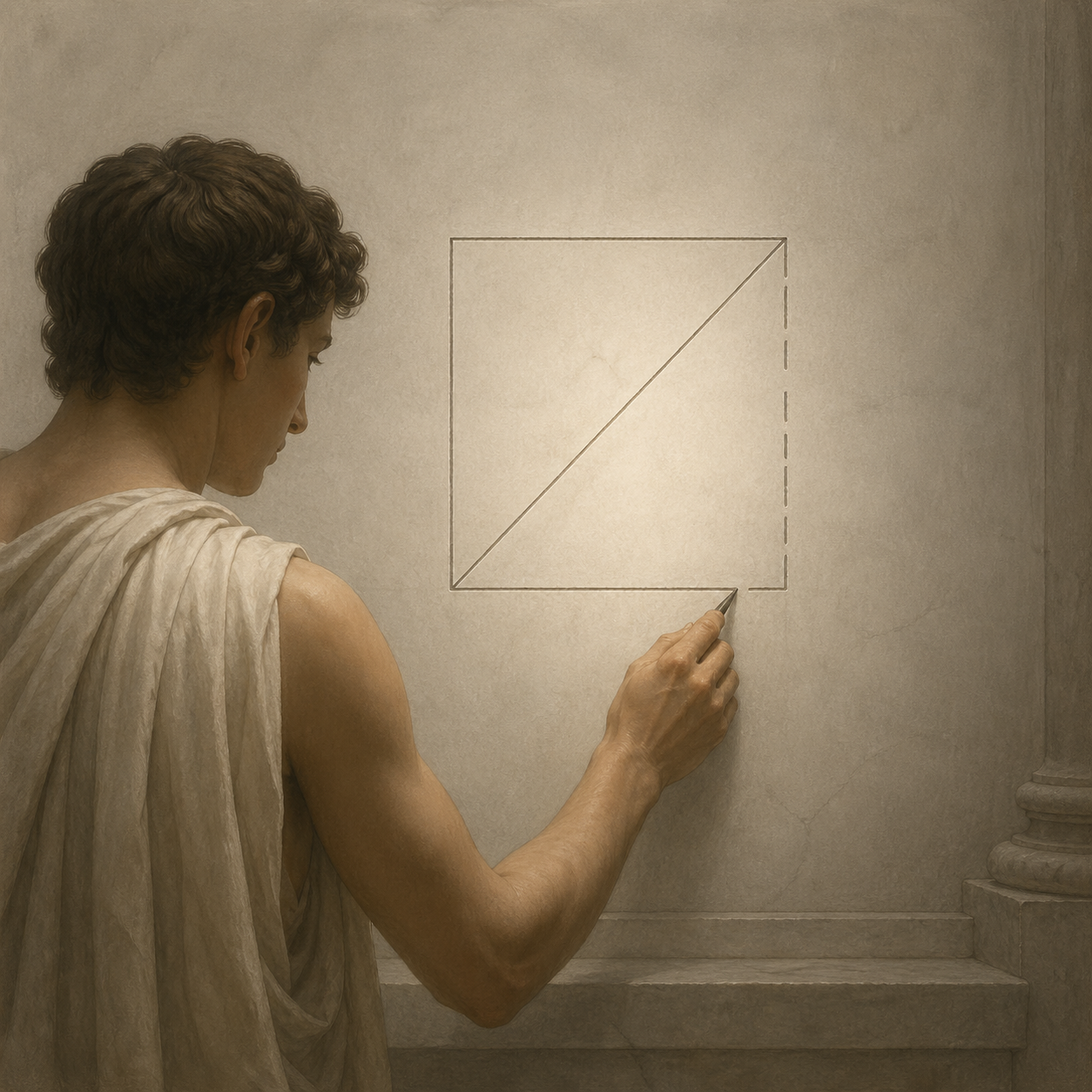
Aristotle draws an analogy with craft. We do not become builders by studying architecture and then, once sufficiently knowledgeable, picking up a hammer. We become builders by building — repeatedly, under guidance, making mistakes and correcting them, until the skill becomes second nature. The same is true of virtue.
builders, for instance, by building; harp-players, by playing on the harp: exactly so, by doing just actions we come to be just; by doing the actions of self-mastery we come to be perfected in self-mastery; and by doing brave actions brave.
The Role of Pleasure
A crucial feature of genuine virtue is that the virtuous person not only acts rightly but takes pleasure in doing so. Someone who performs just acts while finding them painful or burdensome has self-control but not yet virtue proper. The fully virtuous person has aligned their desires with their reason — they want to do what is right, not merely force themselves to do it. This alignment is the product of habituation: we come to take pleasure in what we are trained to take pleasure in.
More Than Correct Action
Aristotle is careful to distinguish the act from the character. A person who happens to do a just thing by accident, or under compulsion, is not thereby just. The virtuous act must be done knowingly, by deliberate choice, and from a stable and settled disposition. Character is expressed not in occasional right action but in the reliable tendency to act rightly across the range of situations life presents.
The Political Implication
If character is formed by habituation, then the conditions of upbringing and education are morally critical. A person raised in an environment that rewards cruelty and punishes generosity will not find it easy to become generous — and cannot simply be told to be. This is why Aristotle connects ethics to politics: the formation of good citizens is the primary task of the good legislator, and it must begin in childhood, long before the capacity for philosophical reflection is developed.
The account of virtue as habit is developed in Book II, Chapters 1-4, where Aristotle distinguishes moral virtues (acquired by practice) from intellectual virtues (acquired by instruction).
Related Concepts