From Motion to an Unmoved Mover
The first way begins with motion — not just physical movement but any passage from potentiality to actuality. Whatever is moved is moved by something else: a thing cannot actualise its own potentiality, since to do so it would already need to be actual. This chain cannot extend infinitely, for without a first mover the series never begins. There must therefore be a first unmoved mover, itself in pure act, which Aquinas identifies with God.
Causation, Contingency, and Necessity
The second way extends the argument to efficient causation: nothing in the sensible world is its own cause, and an infinite regress of causes is impossible. The third way approaches from a different angle — contingent beings, which can be or not be, require a necessary being as their ground. If everything were merely possible, there would have been a time when nothing existed; and from nothing, nothing comes. The existence of contingent things demands a being whose existence is its own essence — necessary by nature, not by another.
Degrees of Perfection and Final Causation
The fourth way argues from the gradations of perfection observable in things: more and less true, more and less good, more and less noble. Comparative judgements require a maximum by which they are measured — a being that is most fully true, good, and noble, and which is therefore the cause of all degrees of being in other things. The fifth way observes that natural things lacking intelligence nonetheless act for ends, consistently and well. This regularity cannot be self-explained; it points to an intelligent governance directing all things toward their ends.
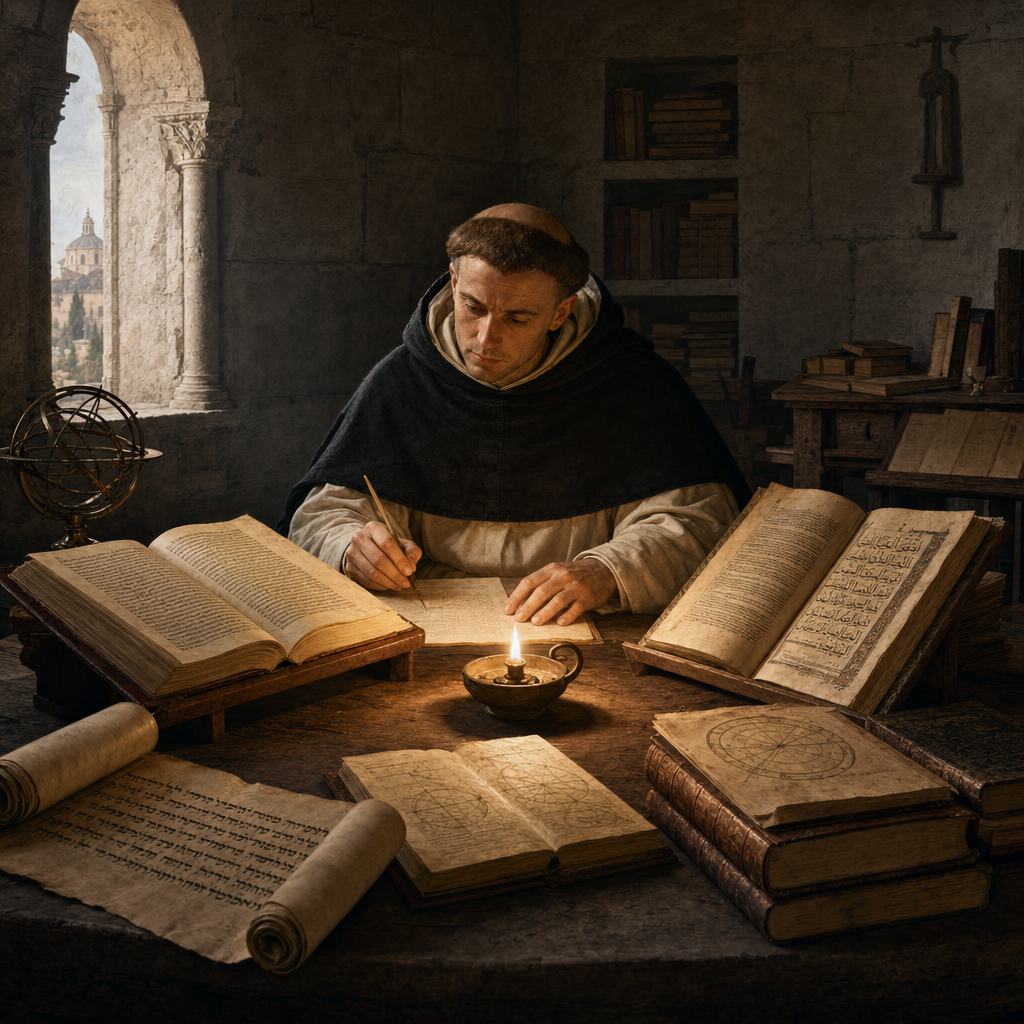
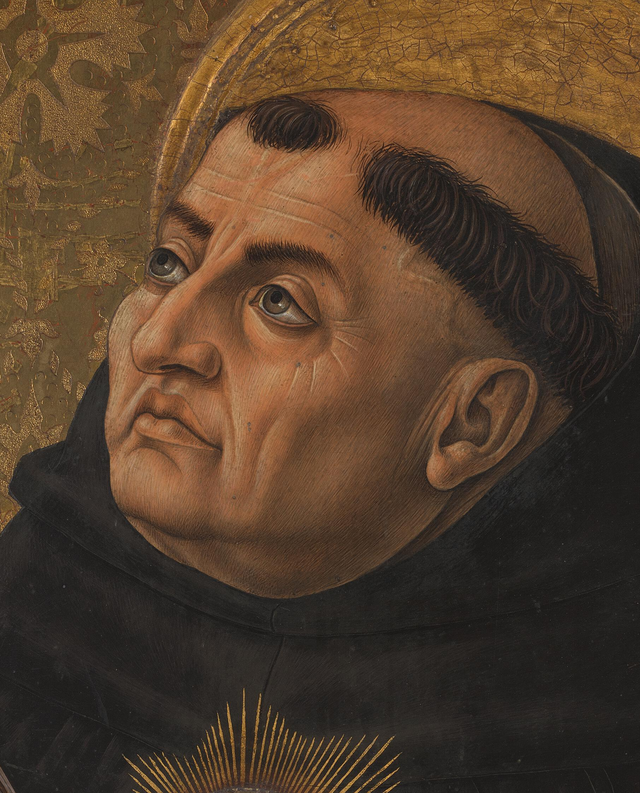
The Five Ways appear in the Prima Pars of the Summa Theologiae, Question 2, Article 3. Aquinas draws on Aristotle's Physics and Metaphysics throughout, but the synthesis is distinctively his own.
Related Concepts