The Root: Perceived Injustice
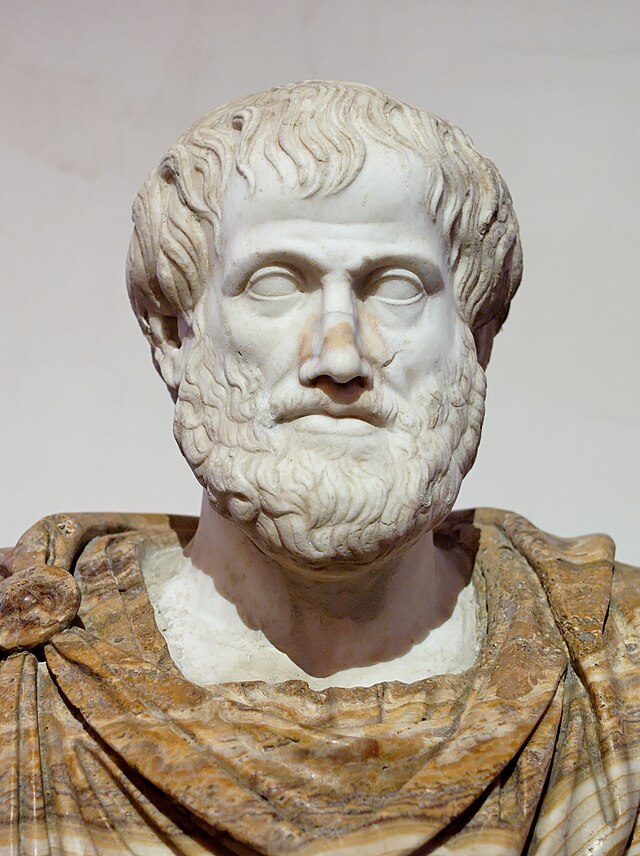
Aristotle's central thesis is that sedition arises from perceived injustice, specifically from a sense that the distribution of power and honour does not correspond to the actual merits of those who hold them. The poor become seditious when they believe the rich have more than their share. The rich become seditious when the poor claim equality despite their inferiority. Both judgements may be partial, but both are intelligible.
Since we are inquiring into the causes of seditions and revolutions in governments, we must begin entirely with the first principles from whence they arise.
Inequality and Its Distortions
The fundamental problem is that democracies and oligarchies each apply a partially correct principle of justice — numerical equality, or proportionality to merit — as if it were the complete principle. This produces institutions that are systematically unfair to some group, and that group eventually rebels.
In general, the beginning and the causes of seditions in all states are such as I have now described, and revolutions therein are brought about in two ways, either by violence or fraud: if by violence, either at first by compelling them to submit to the change when it is made.
The Specific Causes
Aristotle identifies a remarkably rich taxonomy of causes: arrogance on the part of the powerful; fear of punishment or loss of status; contempt for the governing class; disproportionate growth of one class relative to others; disproportionate power given to any individual; electoral corruption; neglect of small changes that accumulate over time. Each has its specific remedy.
Preservation and Remedy
The most important remedy is the cultivation of respect for law as such — not merely compliance with its letter, but a disposition to value legality as the foundation of common life. A city where citizens obey the law only when it suits them is already on the road to dissolution. Aristotle also emphasises the importance of attending to small infractions before they compound, and of preventing any individual or faction from accumulating disproportionate power.
For each type of constitution, the greatest danger comes from within: democracies are undermined by demagogues who manipulate popular passion against the rule of law; oligarchies are undermined by internal competition for dominance among the wealthy few. The cure in each case is moderation — the willingness to accept less than the maximum that power allows.
Book V is devoted entirely to the causes and prevention of constitutional change. It is among the most empirically grounded of Aristotle's political writings, drawing on a vast catalogue of historical examples.
Related Concepts