Government by Consent
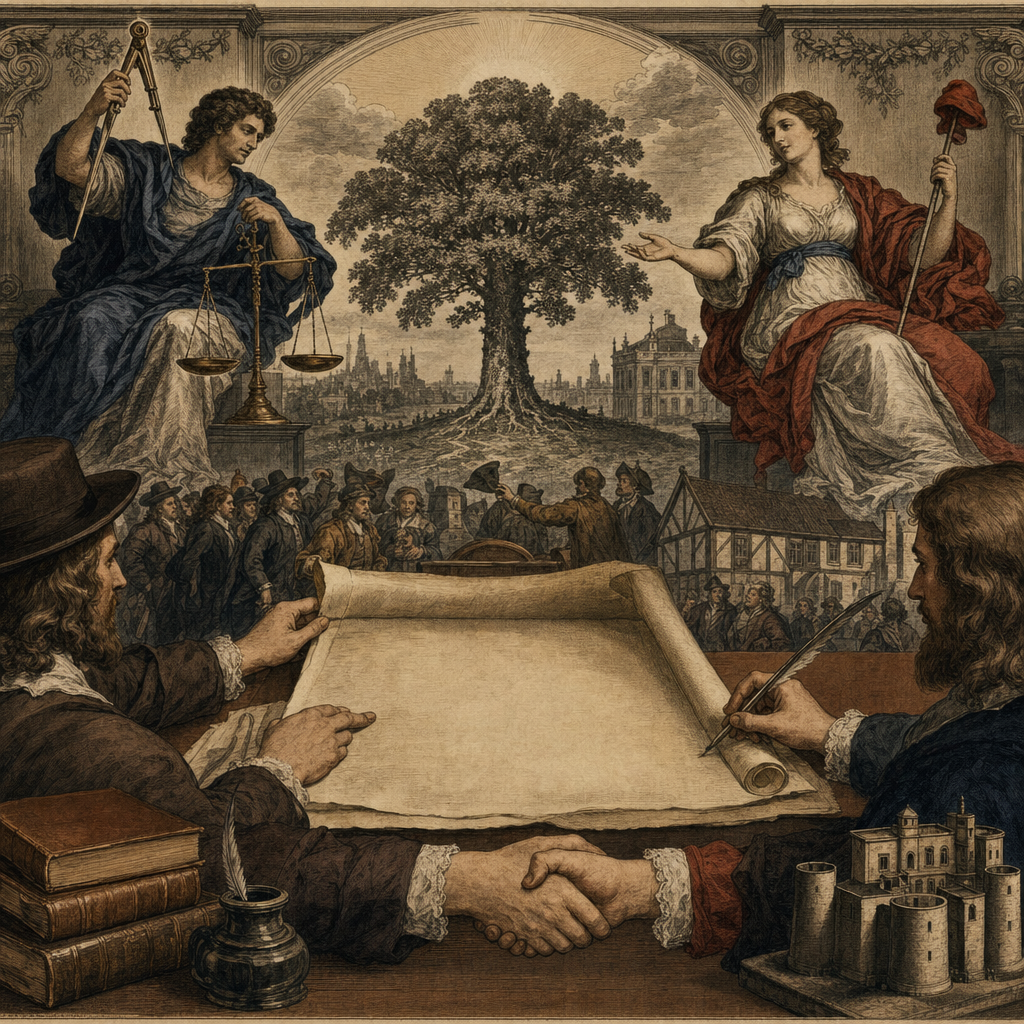
Paine's starting point is that all legitimate government rests on the consent of the governed. Government is not a natural phenomenon — there is no king in nature — but a human institution created to serve human purposes. When it serves those purposes, consent is ongoing and tacit; when it systematically fails to serve them, or actively oppresses those it was created to protect, consent is withdrawn and the original contract is void. This is not a licence for random or frequent rebellion: Paine shares Locke's view that people tolerate a great deal before resorting to revolution. But it establishes that revolution is in principle legitimate when government has fundamentally betrayed its purpose.
The French Revolution's Justice
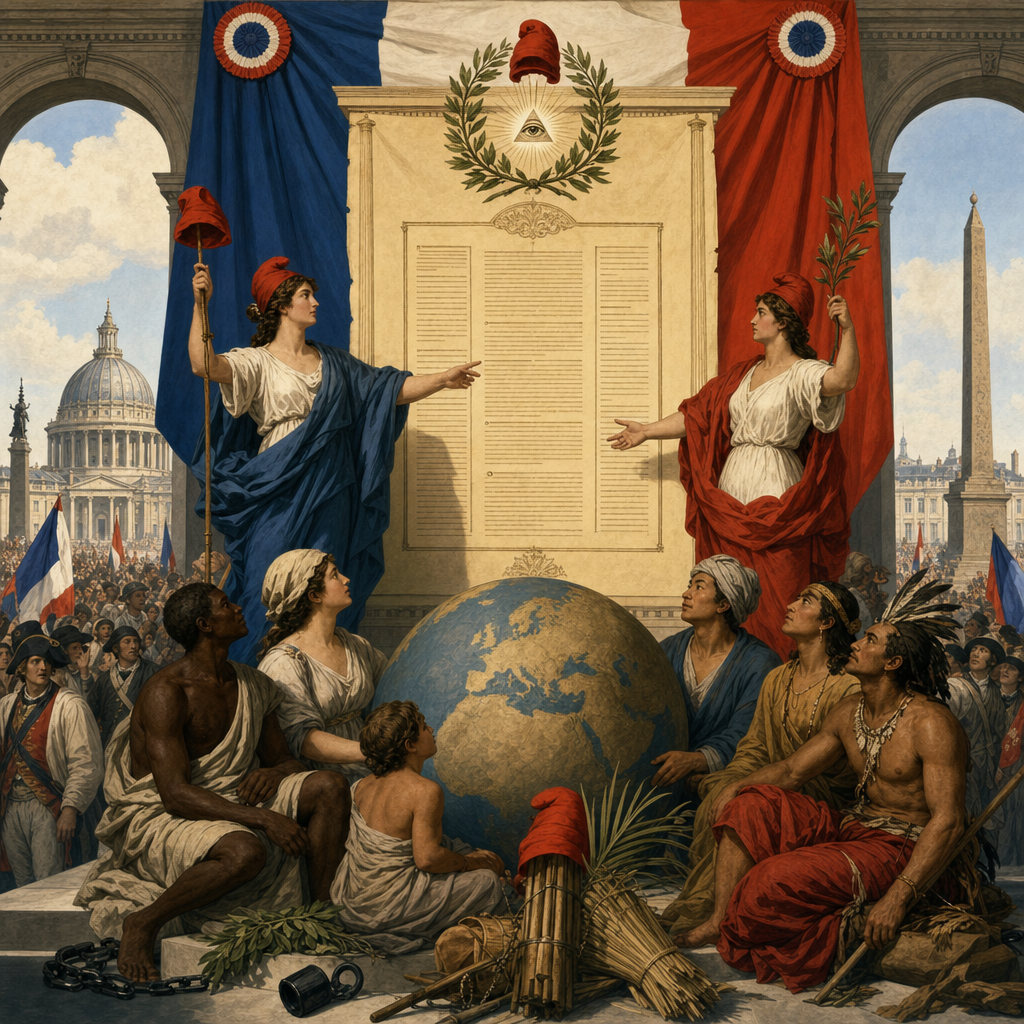
Paine's defence of the French Revolution against Burke's horror is based on exactly this analysis. The Ancien Régime had not merely been inconvenient; it had been systematically unjust: it taxed the poor to maintain the luxury of an idle nobility, excluded the vast majority from any political participation, and enforced its arrangements through arbitrary imprisonment and the constant threat of royal power unchecked by law. When the French people rose against this system, they were exercising a natural right to reform a government that had lost all claim to their consent. The violence that followed was regrettable but was the violence of the oppressed, not the oppressor.
The Criterion of Legitimacy
For Paine, the criterion that distinguishes legitimate revolution from mere factional violence is whether the revolution is directed at the restoration of natural rights for all citizens, not at the seizure of power by one group for its own benefit. A revolution that removes an aristocracy only to install a different tyranny is not a genuine revolution but a change of masters. The test of the American and French revolutions was whether they actually produced constitutional governments that protected natural rights — and Paine was, for much of his life, inclined to believe they did, though his later experiences in revolutionary France tested this optimism severely.
Rights of Man Part II (1792) went considerably further than Part I in its positive proposals: progressive income tax, old-age pensions, maternity grants, and free education for poor children — proposals so radical that they would not be implemented in Britain for another 150 years.
Related Concepts