Poet and Historian
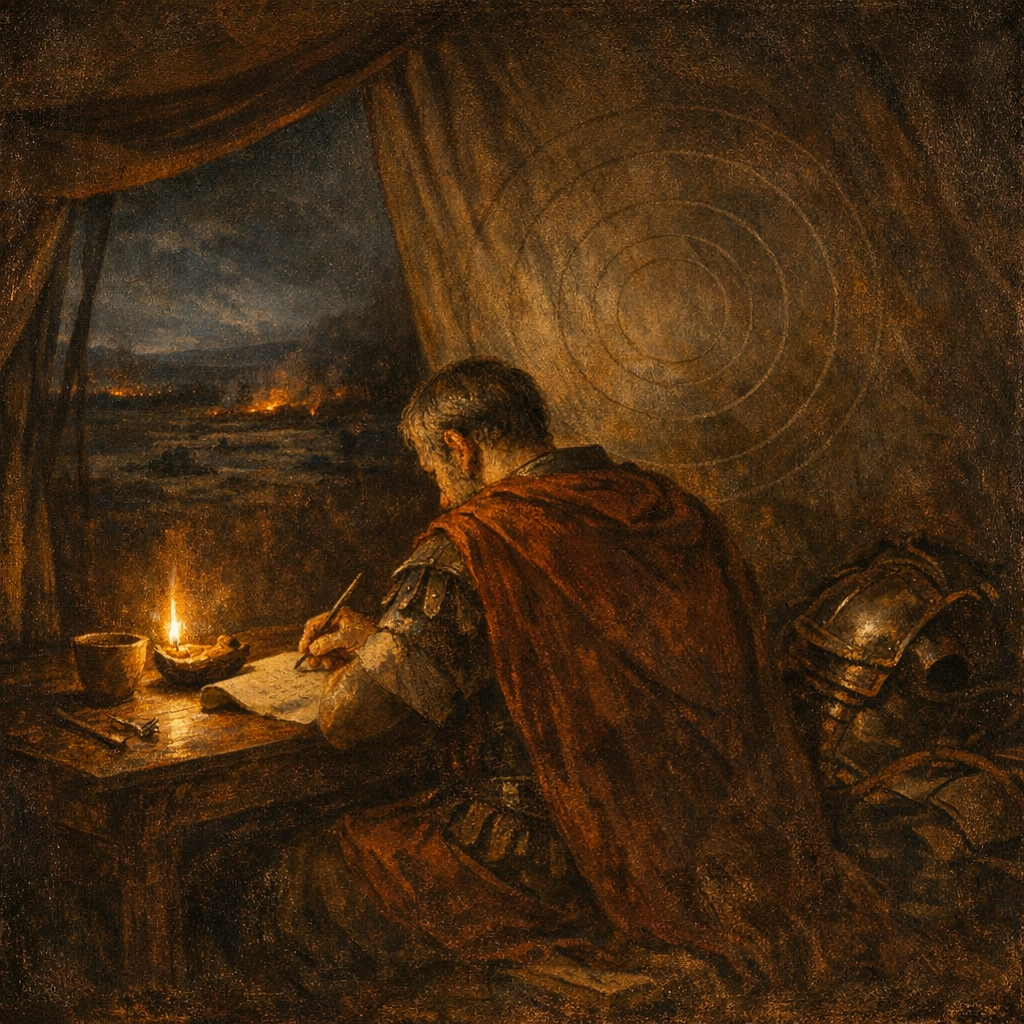
The difference between poet and historian is not that one writes in verse and the other in prose. Herodotus set to verse would still be history. The true difference is in their objects: the historian tells what happened, the poet what might happen according to probability or necessity. Poetry is therefore closer to philosophy, which also deals in universals — in what is always or for the most part the case.
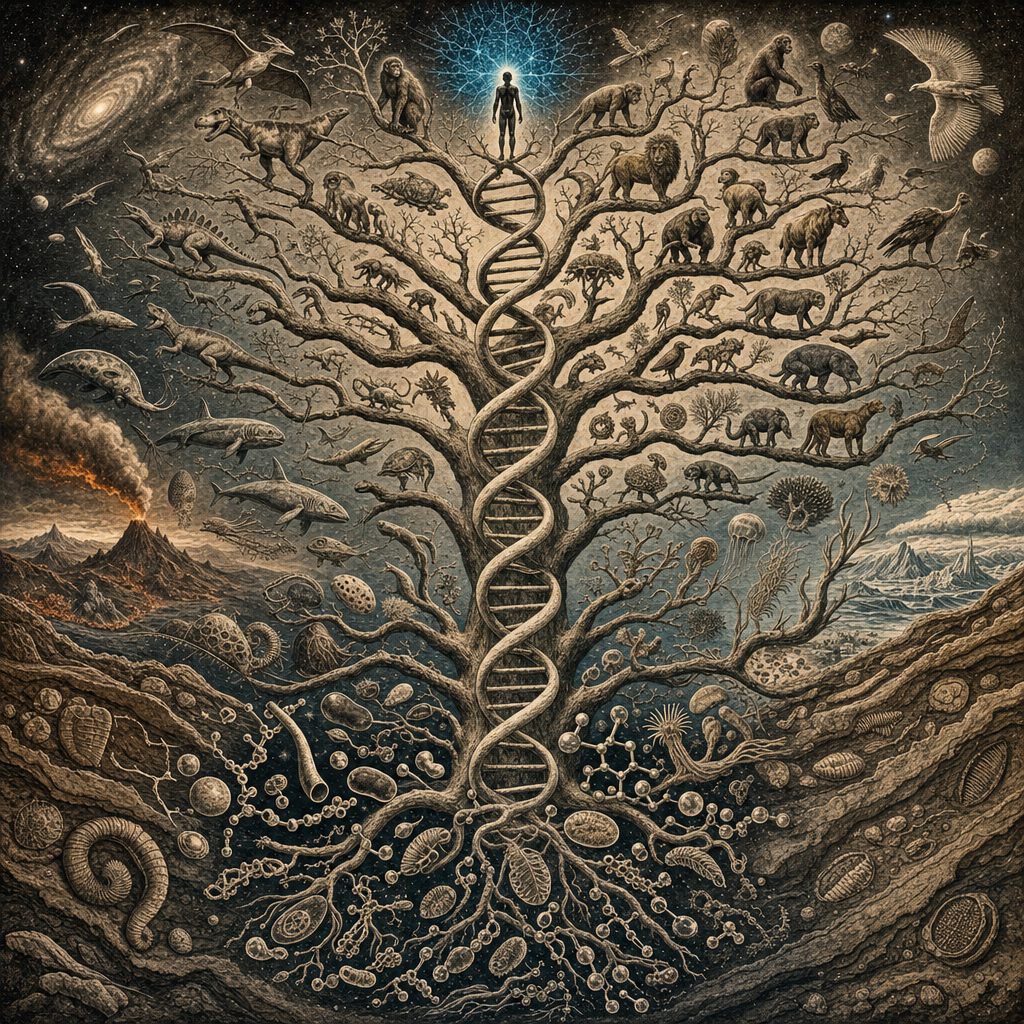
Poetry, therefore, is a more philosophical and a higher thing than history: for poetry tends to express the universal, history the particular.
The Universal in Character
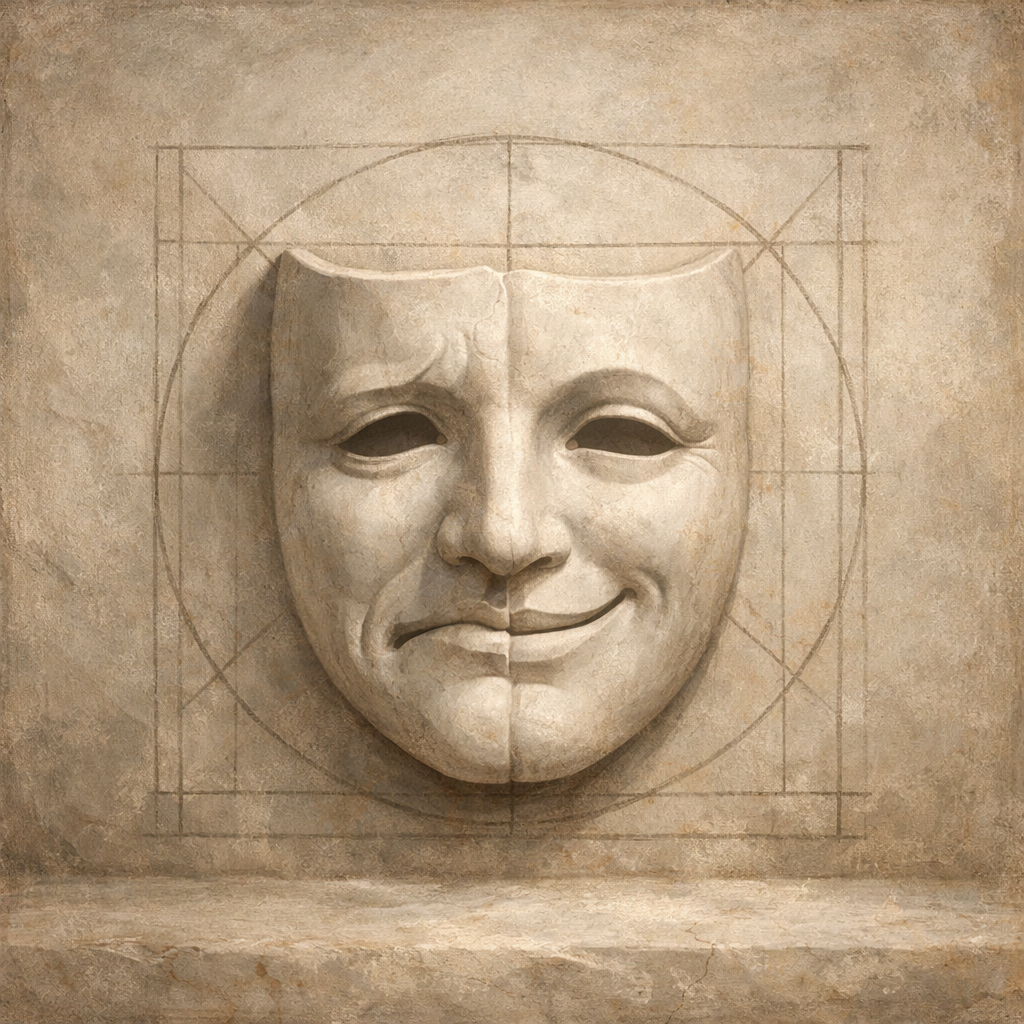
What Aristotle means by the universal is precise: how a person of a certain type will on occasion speak or act, according to the law of probability or necessity. This is why dramatic characters need not be historical persons. Comedy already exploits this — the poet constructs a probable plot and assigns names afterwards. Tragedy leans on real names because the credible and the historical overlap, but even tragedies with invented characters give pleasure because they are universal in structure.
Probability and Necessity
The twin standards of probability and necessity run throughout the Poetics. They are not merely formal criteria but epistemic ones. A plot that follows them does not just feel coherent; it reveals how things actually tend to go in human life. This is why the poet is a maker not of verses but of actions. In imitating the probable and necessary, drama shows us not what one man did, but what kind of thing human beings do.
The claim that poetry is more philosophical than history appears in section IX of the Poetics (Chapter 2 of this edition).
Related Concepts