The Turn of Fortune
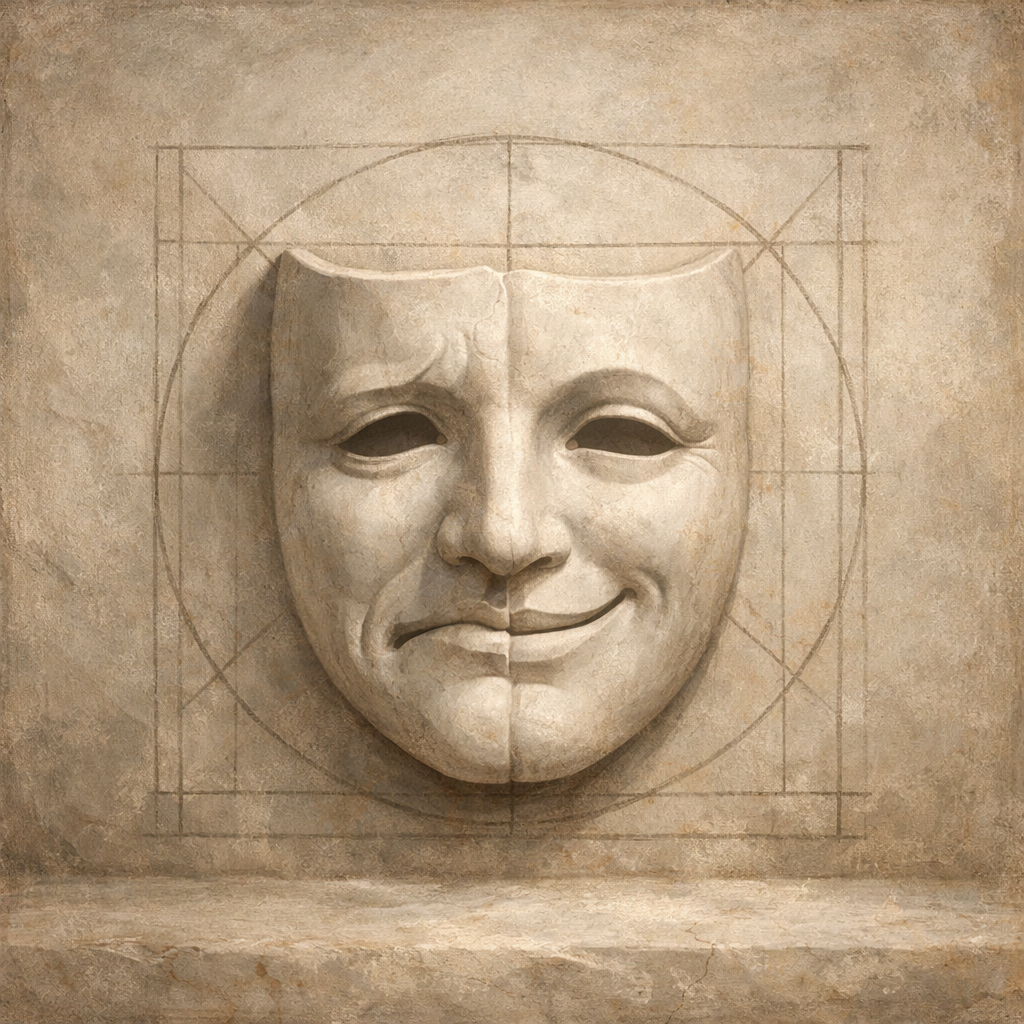
Peripeteia — reversal of the situation — is defined precisely: a change by which the action veers to its opposite, subject to the law of probability or necessity. The messenger who arrives to comfort Oedipus ends by destroying him. The action aiming at one end achieves the reverse. This is not mere plot twist but structural necessity: peripeteia arises from the inner logic of the events themselves, which is what distinguishes it from mere coincidence or surprise.
Reversal of the Situation is a change by which the action veers round to its opposite, subject always to our rule of probability or necessity.
Recognition
Anagnorisis — recognition — is a change from ignorance to knowledge, producing love or hate between persons destined for good or bad fortune. It is most powerful when simultaneous with reversal: the moment of revelation is also the moment of ruin. The Oedipus is the paradigm case, where the recognition of who Oedipus is and the reversal of his fortune are not merely simultaneous but the same event. The best recognitions arise not from external tokens but from the incidents themselves.
Why These Matter
Reversal and recognition are the mechanisms by which tragedy produces pity and fear. Pity arises when we understand what has been lost; fear arises when we recognise the fragility of the person who has lost it. The audience discovers the truth at the same moment the hero does, and the emotional impact is proportional to how well the plot has prepared us for it. This is why Aristotle calls the complex plot — one with both peripeteia and anagnorisis — the highest form of tragedy.
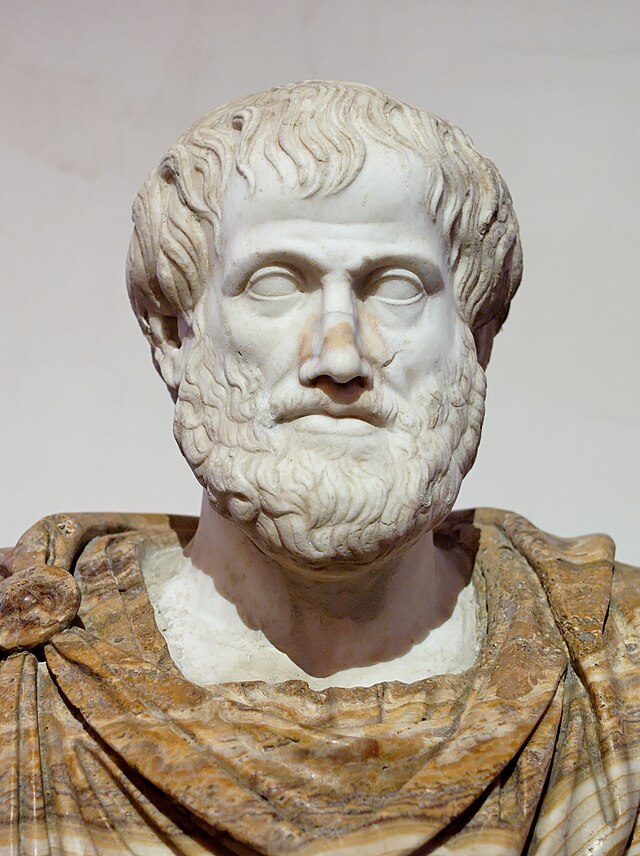
Peripeteia and anagnorisis are defined in section XI (Chapter 3). Aristotle names the Oedipus as the best example of their coincidence in section XI and again in section XVI.
Related Concepts