The Common Principle
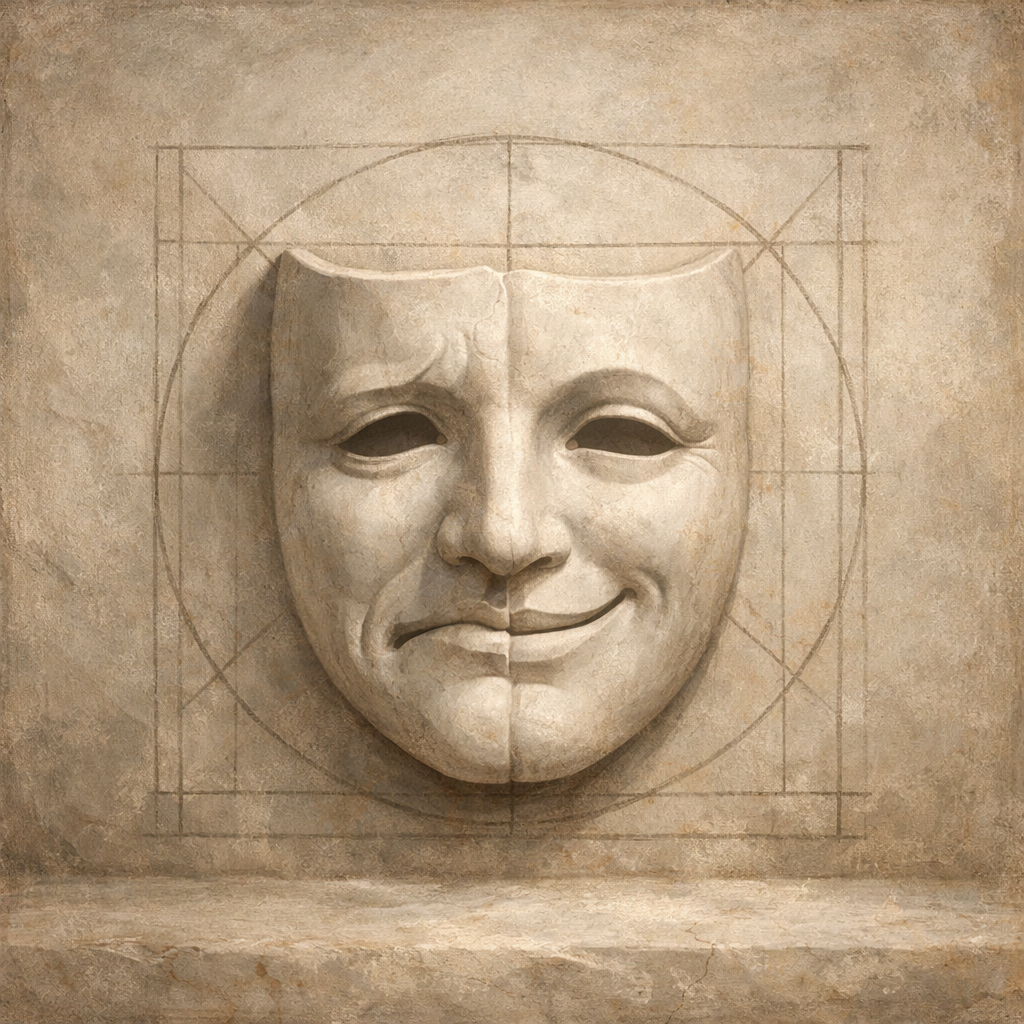
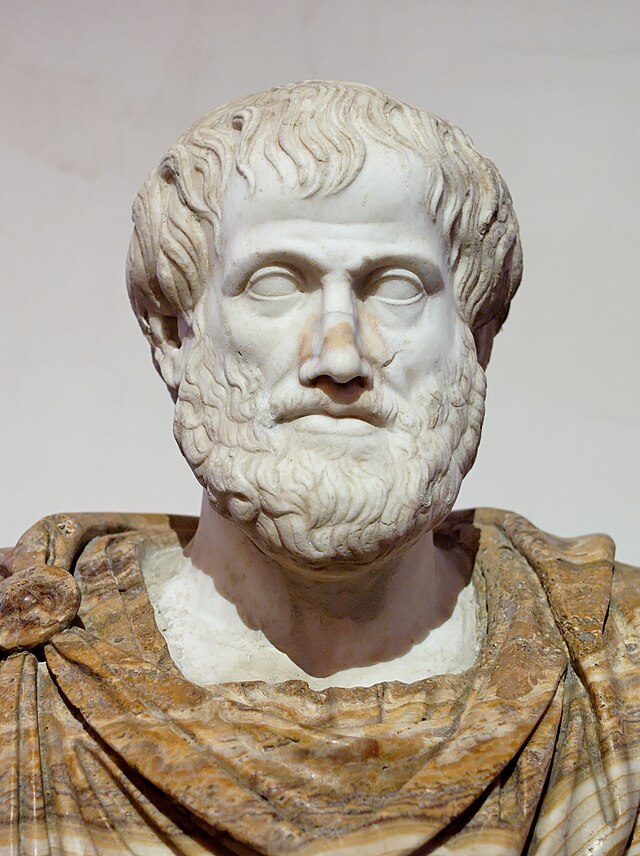
Poetry, tragedy, comedy, music, and dance are not unrelated practices but variations on a shared act. They differ in medium — colour, rhythm, language — in object — noble or base characters — and in manner — narrative or dramatic. But all are forms of mimesis, the Greek word for imitation or representation. Aristotle opens the Poetics by insisting on this unity: to understand any art form, you must first understand what kind of imitation it is.
the instinct of imitation is implanted in man from childhood, one difference between him and other animals being that he is the most imitative of living creatures, and through imitation learns his earliest lessons; and no less universal is the pleasure felt in things imitated.
Why Imitation Pleases
The pleasure of imitation is not trivial. Even images of painful or ugly things — dead bodies, ignoble animals — give delight when faithfully reproduced. This is not morbid curiosity but something deeper: learning. To recognise a likeness is to understand something about the original. The pleasure of mimesis is the pleasure of knowledge, and it is available to everyone, not only philosophers.
Imitation and Human Nature
Human beings are the most imitative of creatures, and this is not a deficiency but a distinction. Imitation is how we learn from infancy. The instinct for mimesis and the instinct for harmony and rhythm together gave rise to poetry — not as a luxury but as the natural expression of what we are. Art, on this account, is not decoration or escape; it is a fundamental mode of human understanding.
Aristotle develops the theory of mimesis throughout the Poetics, beginning in sections I–V (Chapter 1). His account of why imitation pleases is in section IV.
Related Concepts