Plot as the Soul of Tragedy
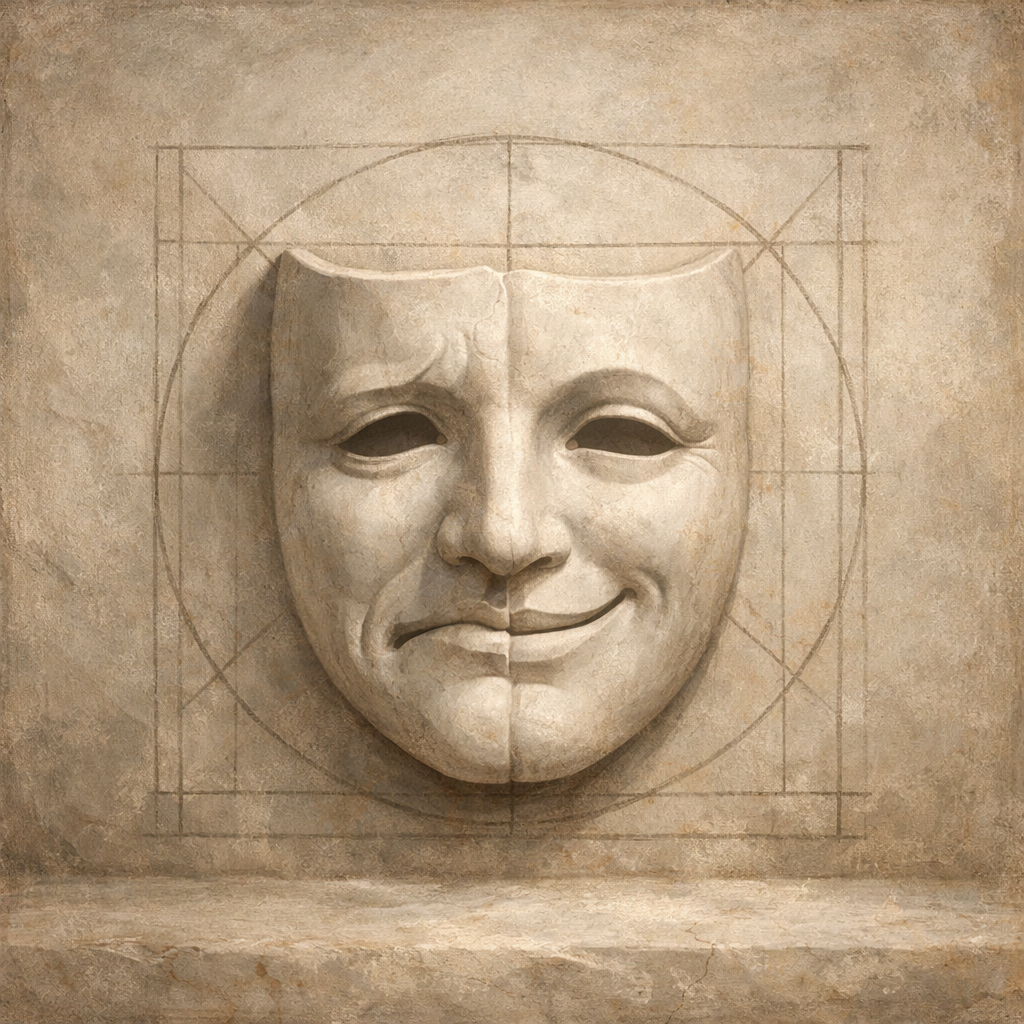
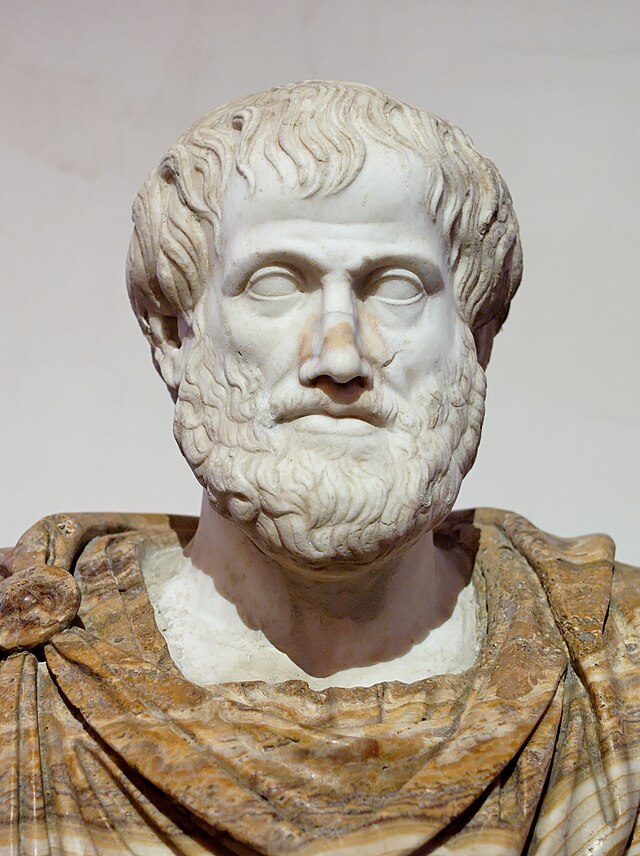
Aristotle's ranking of tragedy's six elements — plot, character, thought, diction, song, spectacle — is deliberate and counterintuitive. We tend to remember great dramatic characters: Oedipus, Medea, Hamlet. But Aristotle insists that character is always in service of action. Tragedy imitates not men but actions and life. A drama without a well-constructed plot is not a drama at all; a drama without memorable characters may still be a tragedy.
The Plot, then, is the first principle, and, as it were, the soul of a tragedy: Character holds the second place.
Action, Not Quality
The distinction matters philosophically. Character determines what kind of person someone is — their qualities, dispositions, moral tendencies. But happiness and misery consist in action, in what we do and what is done to us. Life is lived as a sequence of events, not as a collection of traits. Drama, to be true to life, must imitate that sequence. The most beautiful colours laid on confusedly will not give as much pleasure as a chalk outline of a portrait.
Unity of Action
Unity of plot does not mean unity of hero. The Odyssey is not unified because Odysseus is one man — infinitely many incidents happened to him that Homer excluded. It is unified because Homer chose a single action — the return — and built everything else around it. Every incident must be such that its removal would dislocate and disturb the whole. An organic part is one whose presence or absence makes a visible difference.
The primacy of plot is argued in section VI; the unity of action in section VIII. Both are in Chapter 2 of this edition.
Related Concepts