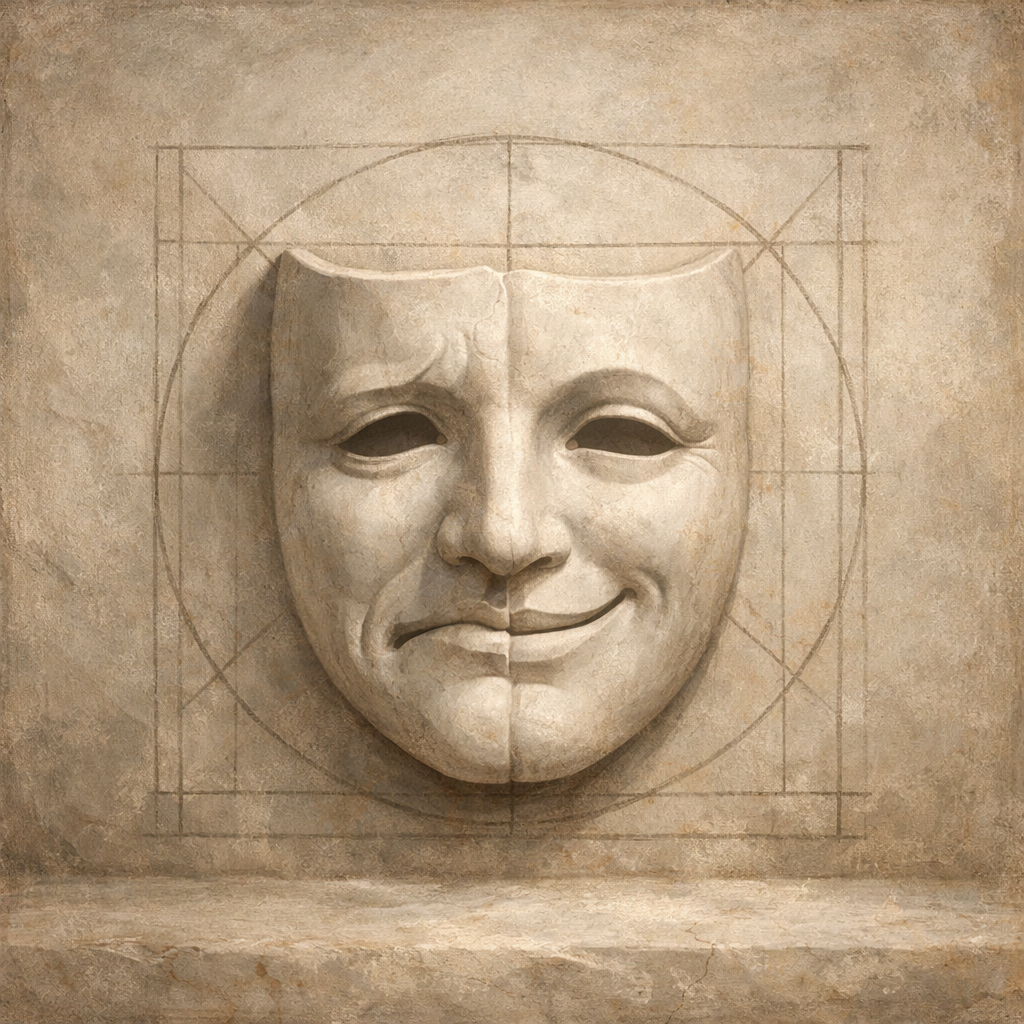
Aristotle's Poetics is the earliest surviving work of dramatic theory and literary criticism in Western philosophy. Written around 335 BC, it examines the nature of poetry—particularly tragedy and epic—through the lens of imitation, asking what makes a literary work excellent and why it moves us. Aristotle identifies the six elements of tragedy (plot, character, thought, diction, song, and spectacle), argues that plot is the soul of drama, and develops the concepts of catharsis, hamartia, anagnorisis, and peripeteia that have shaped literary criticism ever since. Despite covering only part of its announced scope—the section on comedy is lost—the Poetics remains the foundational text for thinking about narrative, form, and the emotional power of art.
More by Aristotle