Nature as Gift and Foundation
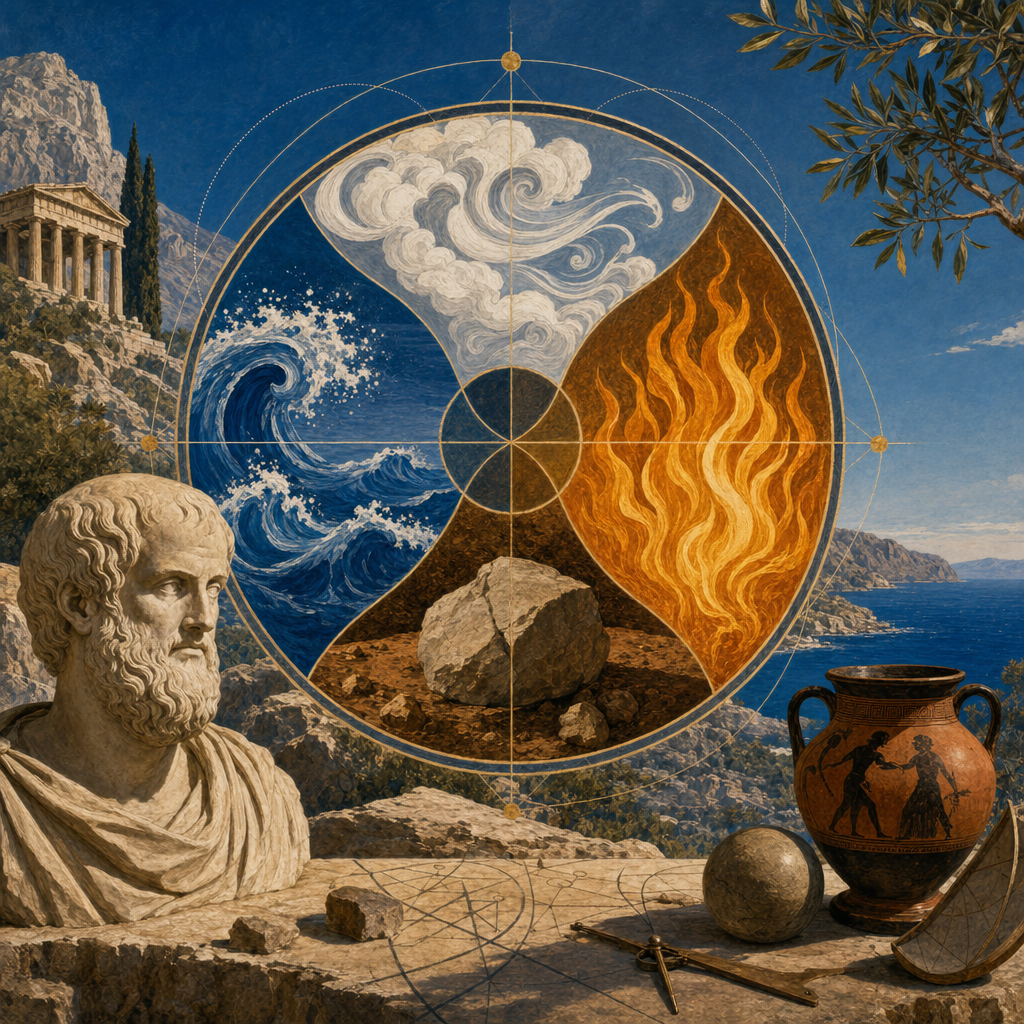
For Aquinas, the natural world is not a fallen realm to be escaped but a gift of the creator already ordered toward the good. Human reason, the natural virtues, and the ends given by nature are genuinely good in themselves — not merely stepping-stones to be discarded once grace arrives. Grace presupposes nature as its subject and foundation: what God elevates, God first created and called good.
Elevation and Completion
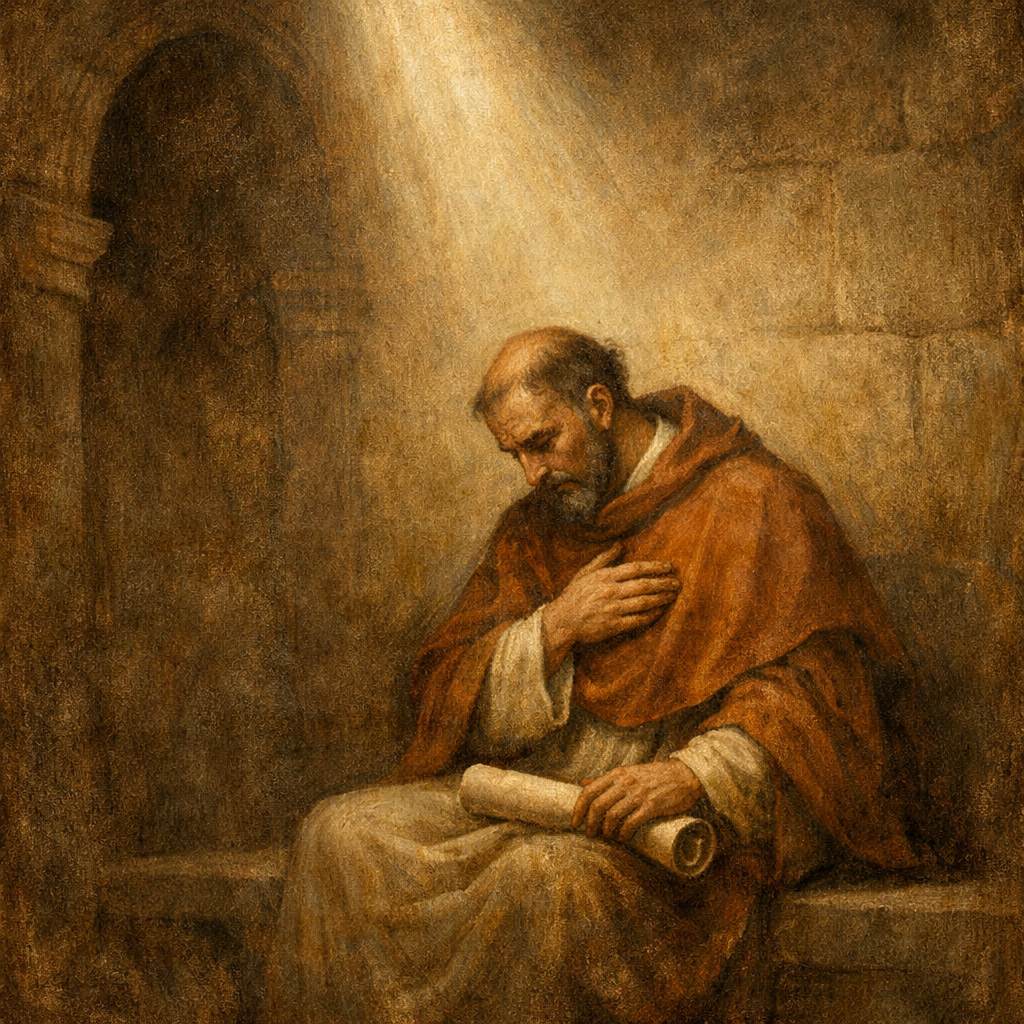
The supernatural end of human beings — the beatific vision, the direct knowledge of God — exceeds what nature could achieve or even naturally desire. Grace does not simply repair a damaged nature but raises it to an entirely new level of participation in divine life. The virtues of faith, hope, and charity are infused by God, not acquired by natural effort; yet they complete and orient the natural virtues rather than replacing them. The person perfected by grace is more fully human, not less.
Philosophy as Handmaid of Theology
The same principle operates at the level of disciplines. Theology uses philosophy not as an alien imposition but as a natural preparation and instrument. Reason can demonstrate the existence and attributes of God, establish the framework of natural law, and clarify what revelation means — all without contradicting itself. Where philosophy reaches its limits, theology takes over; and where theology pronounces, reason need not be silenced, only extended. The unity of truth ensures that genuine philosophical insight and genuine theological understanding can never finally conflict.
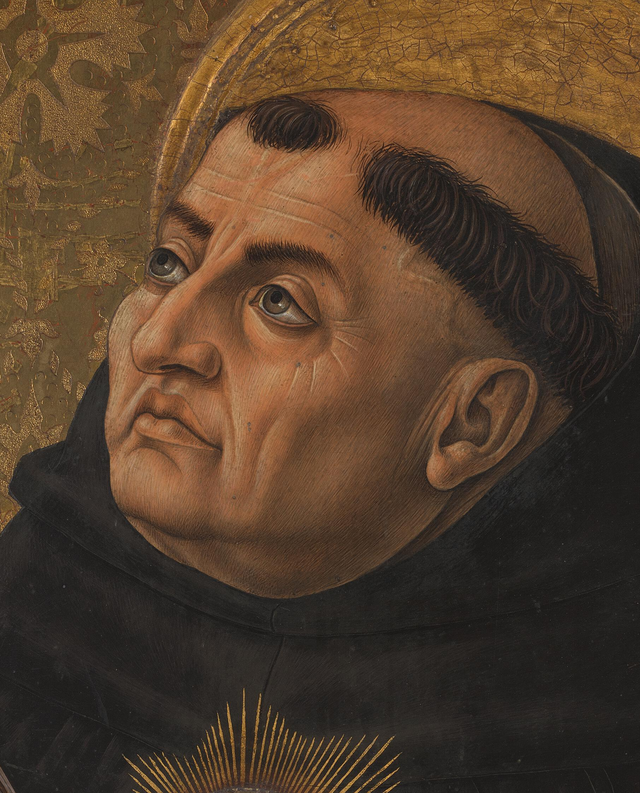
The principle "gratia non tollit naturam sed perficit" appears most explicitly in the Prima Pars, Question 1, Article 8 of the Summa Theologiae. It governs the architecture of the entire work.
Related Concepts