Against Mechanism
Eighteenth-century science had inherited Descartes's picture of nature as pure extension — a vast machine of matter in motion, entirely explicable by the laws of mechanics. Mind was either a ghost in this machine (Descartes) or an embarrassing anomaly (the materialists). Schelling finds this picture both scientifically inadequate — it cannot account for the genuine novelty and self-organisation of living things — and philosophically incoherent: a purely mechanical nature cannot explain how it comes to be known, because knowing is not a mechanical process.
Living Nature
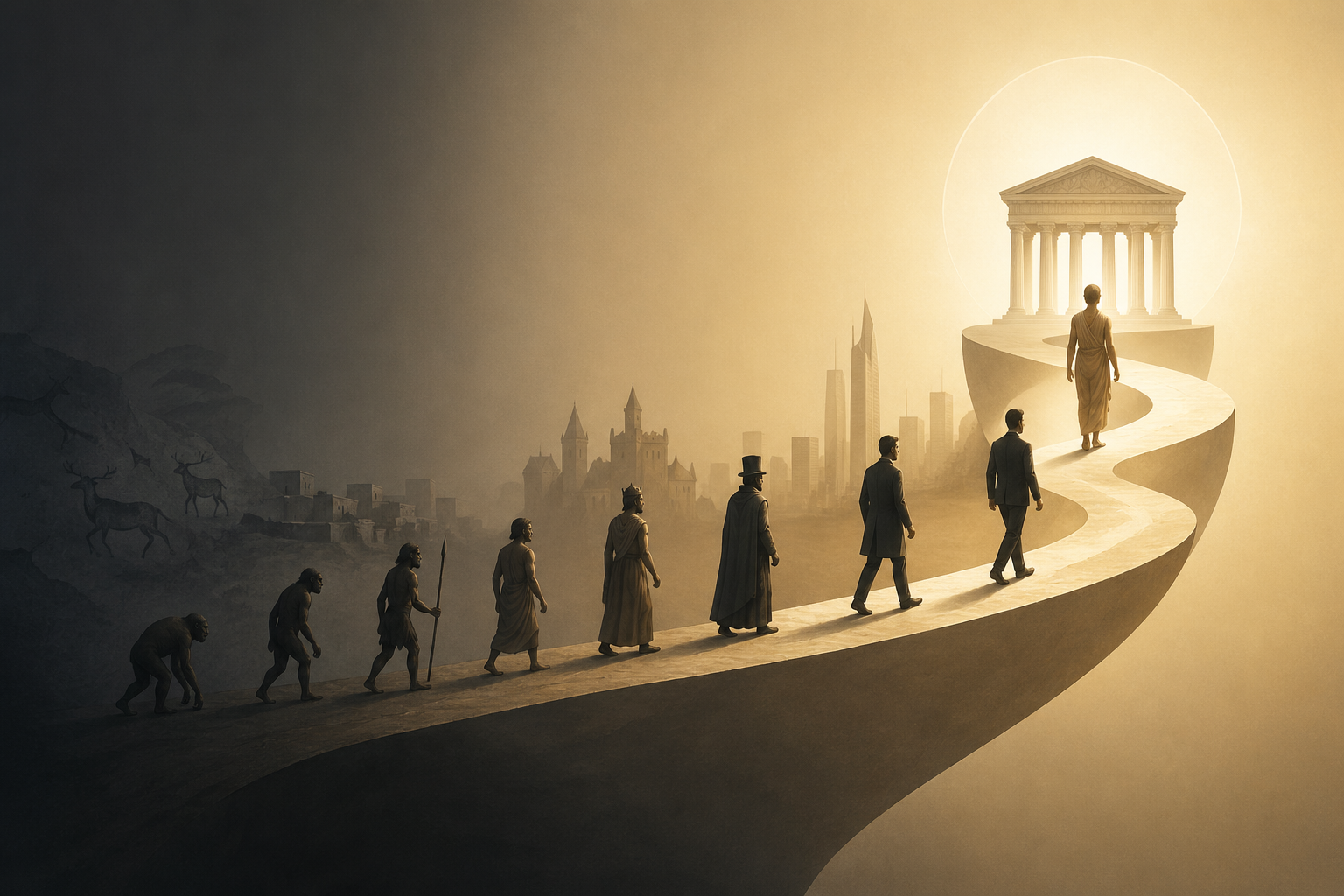
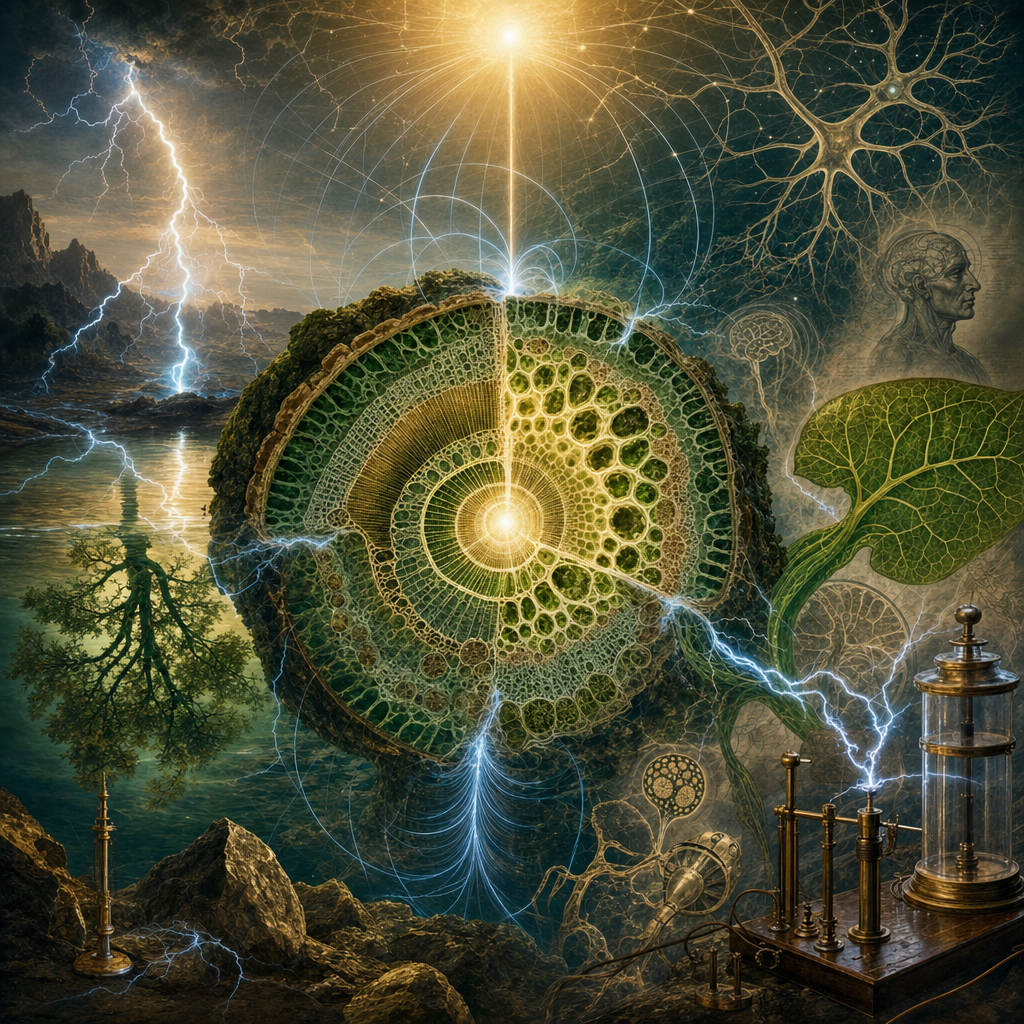
In place of mechanism, Schelling proposes an organic model: nature is a living whole, animated throughout by dynamic forces and striving toward ever-higher forms of organisation. The same activity that produces a crystal also, at a higher potency, produces a plant; the same activity that produces a plant produces, at a still higher potency, an animal nervous system. Each level is a recapitulation of the lower at a new degree of self-reference and integration. Nature is not made of substances; it is constituted by activities, polar tensions, dynamic relationships.
The Philosophical Consequences
If nature is visible spirit, then the dualism between the knowing subject and the known object is derivative rather than fundamental. I am not a mind confronting an alien world; I am a point in nature at which nature knows itself. My body and the natural world are not two different things — they are continuous. This insight dissolves the problem of how mind and matter interact (Descartes's problem) by showing that the interaction presupposes an underlying identity. The hard problem of consciousness, in Schelling's framework, is a pseudo-problem generated by a false starting point.
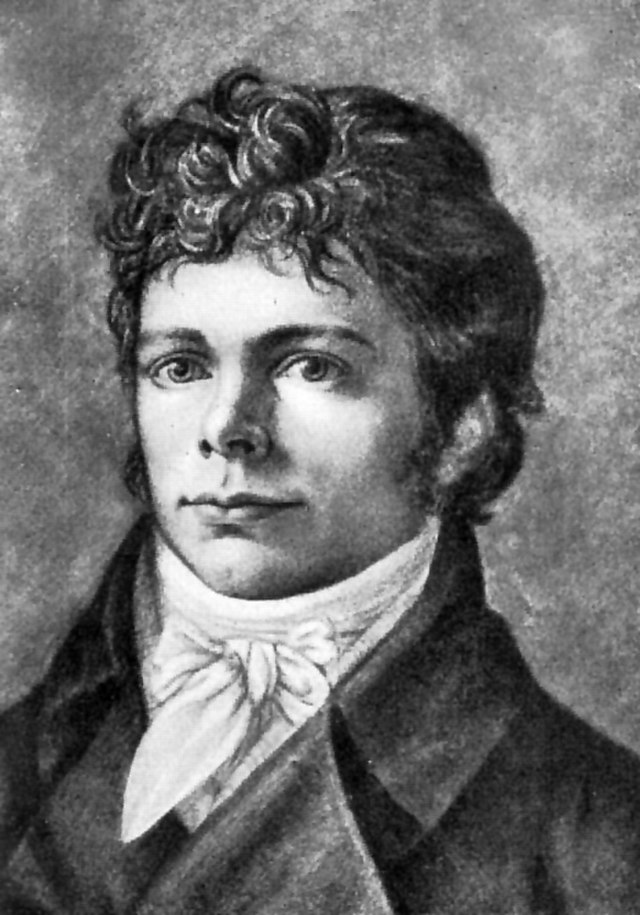
Ideas for a Philosophy of Nature (1797) was Schelling's first major published work, written at twenty-two. Its conception of nature as a living, self-organising whole influenced the Romantic Naturphilosophen — Steffens, Oken, Ritter — and had a lasting impact on nineteenth-century German biology and medicine.
Related Concepts