The Purposiveness of Nature
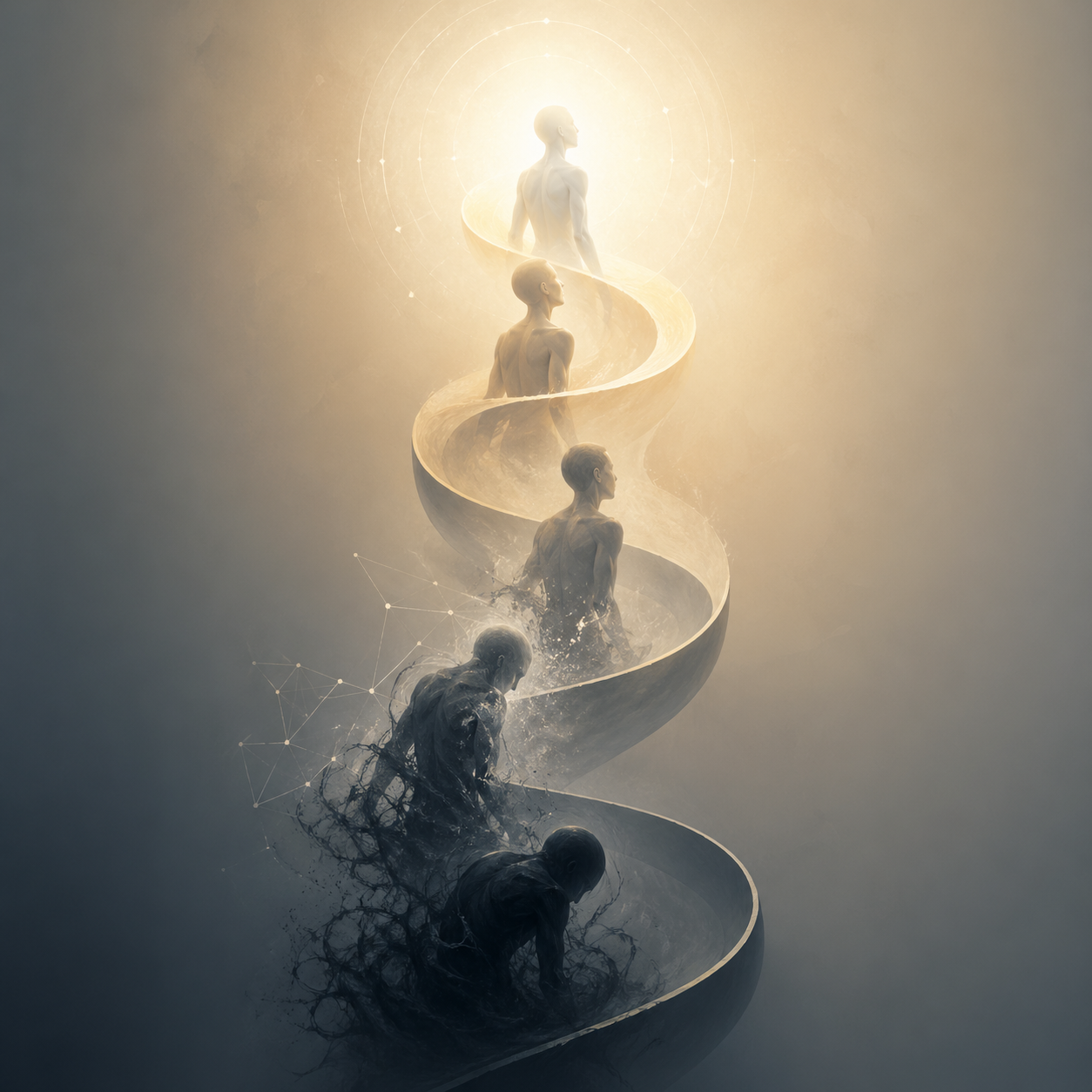
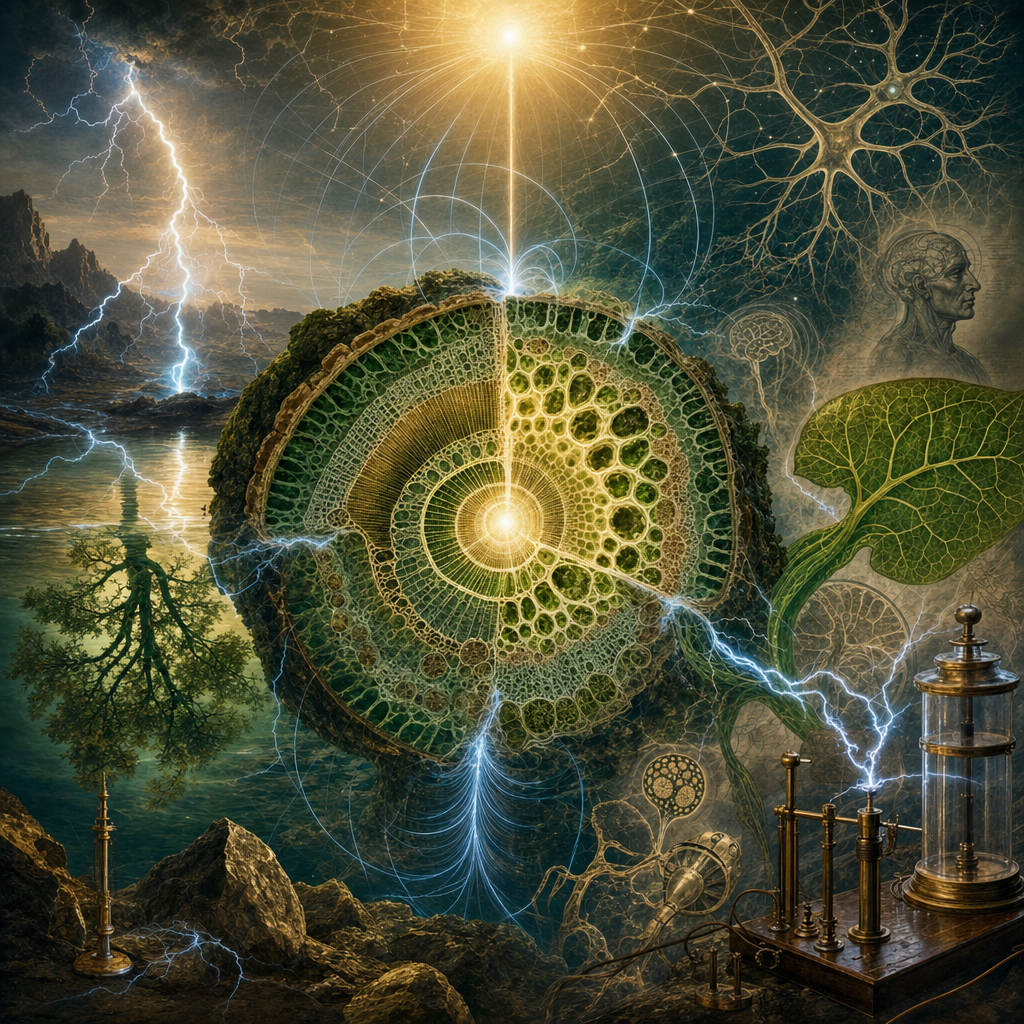
Schelling inherits from Kant the idea that living organisms display a purposiveness — an appearance of being organised toward an end — that distinguishes them from dead mechanisms. But where Kant treated this purposiveness as a merely regulative idea (useful for investigation but not assertible of nature itself), Schelling makes it a constitutive claim. Nature really is teleological: not in the sense of moving toward an external goal set by a designer, but in the sense that the internal logic of its development drives it toward ever-greater complexity, integration, and self-reference.
The Point of Reversal
The human mind is not a discontinuity in this process but its culmination. At the level of self-consciousness, nature arrives at a being that not only is organised but knows that it is — a being in which the whole unconscious history of natural development becomes explicit and available for reflection. This reversal — from nature's producing unconsciously to mind's knowing consciously — is not a break but a completion. The very act by which I recognise that I am a natural being and that nature is in me is the act through which nature recognises itself.
Why Philosophy Needs Nature
This means that the philosophy of mind and the philosophy of nature are not independent disciplines. Any account of consciousness that ignores its roots in nature will be abstract and incomplete; any account of nature that is indifferent to the emergence of mind within it will miss its own culmination. The System of Transcendental Idealism and the Naturphilosophie are the two halves of one science — complementary perspectives on the single absolute that is both.
The idea that self-consciousness is the telos of nature runs through the System of Transcendental Idealism and is taken up and radically transformed by Hegel in the Phenomenology of Spirit.
Related Concepts