Beyond the Kantian Dualism
Kant had shown that the knowing mind necessarily structures its experience, imposing the forms of space, time, and the categories on the raw material of sensation. But he left the relation between the knowing mind and nature itself — the thing-in-itself — permanently mysterious. Fichte resolved this by making nature a posit of the self; the external world is what the I throws up in order to have something to strive against. Schelling finds both positions unsatisfying. Nature, he insists, is not a construction of mind, and mind is not reducible to nature. Each is real in its own right — but both are expressions of something that is neither, something that is prior to the very distinction.
The Absolute as Indifference Point
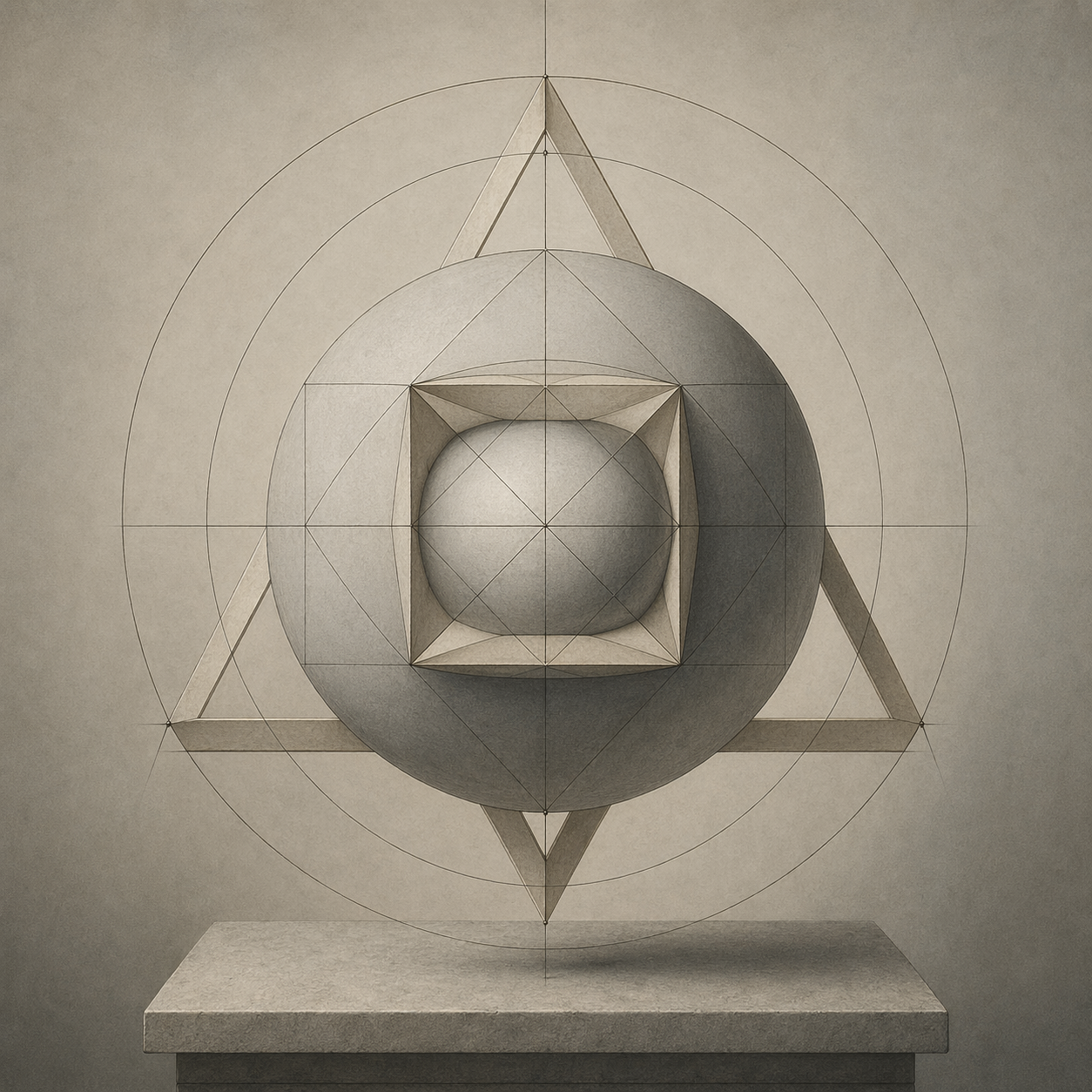
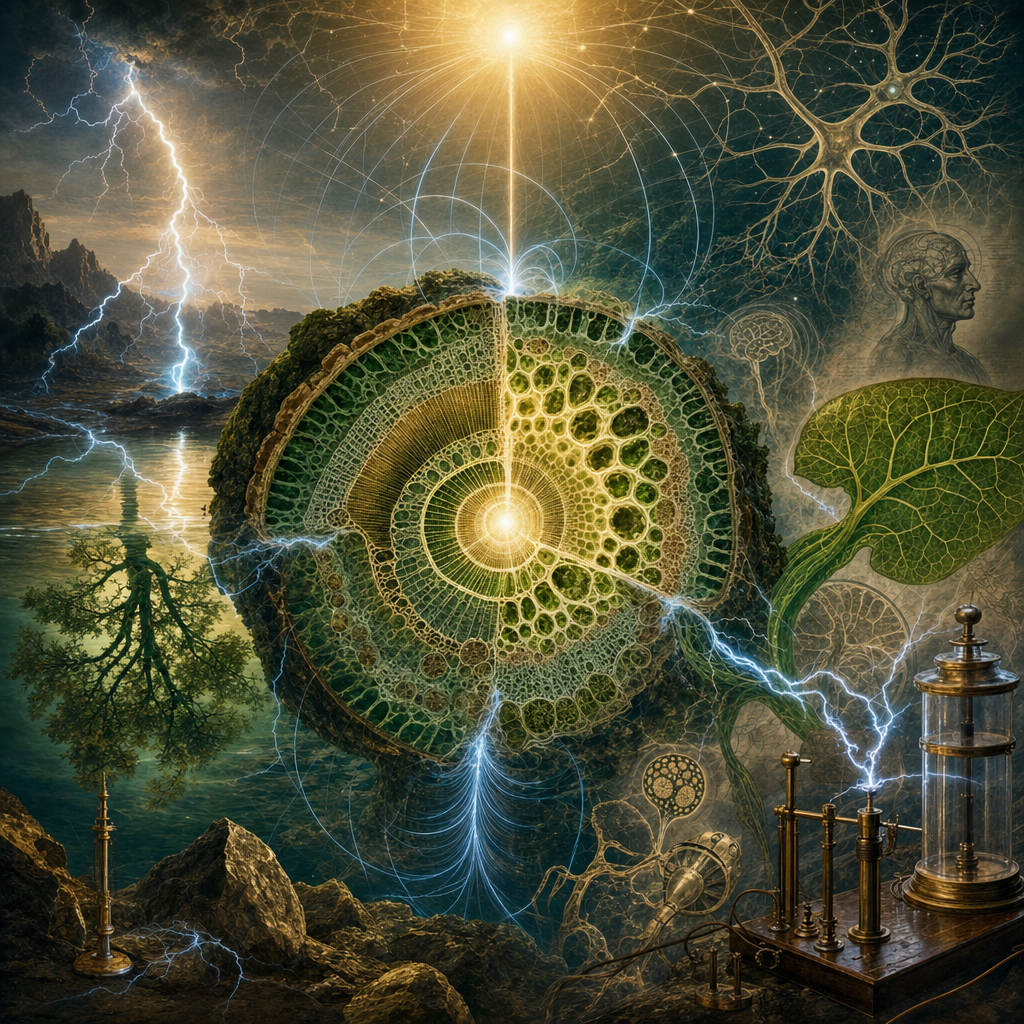
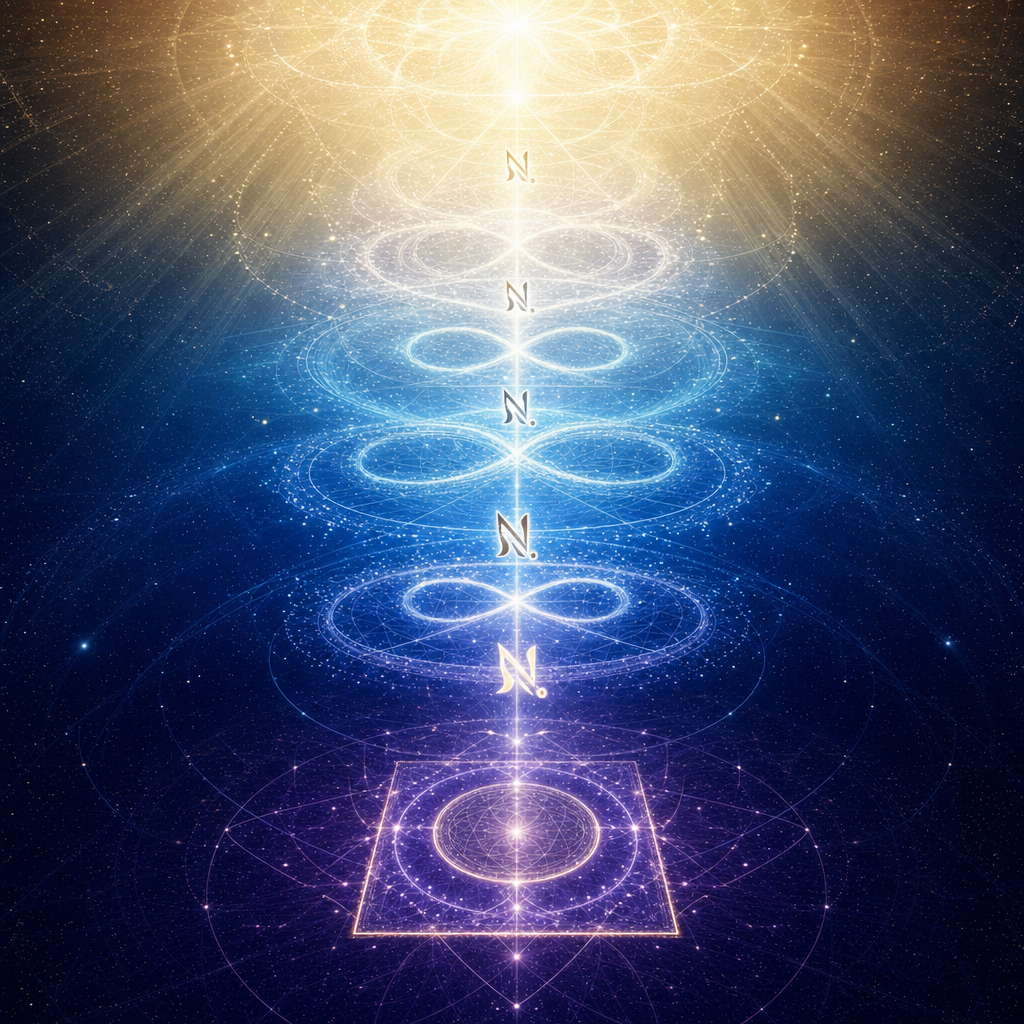
Schelling calls this prior ground the Absolute — not a personal God, not a Fichtean self, but the pure identity of the ideal and the real, the subjective and the objective. He sometimes calls it the indifference point of subject and object: not a blend or a compromise, but the vanishing point at which the distinction between them has not yet arisen. From this indifference, the two series of finite things emerge: nature develops from the lowest, most material potencies up through magnetism, electricity, and chemistry toward organic life; spirit descends from pure self-consciousness down through practical freedom toward sensuous existence. The two series meet and recognise each other in the human being — the point where nature becomes conscious of itself.
Potencies and the Gradation of Being
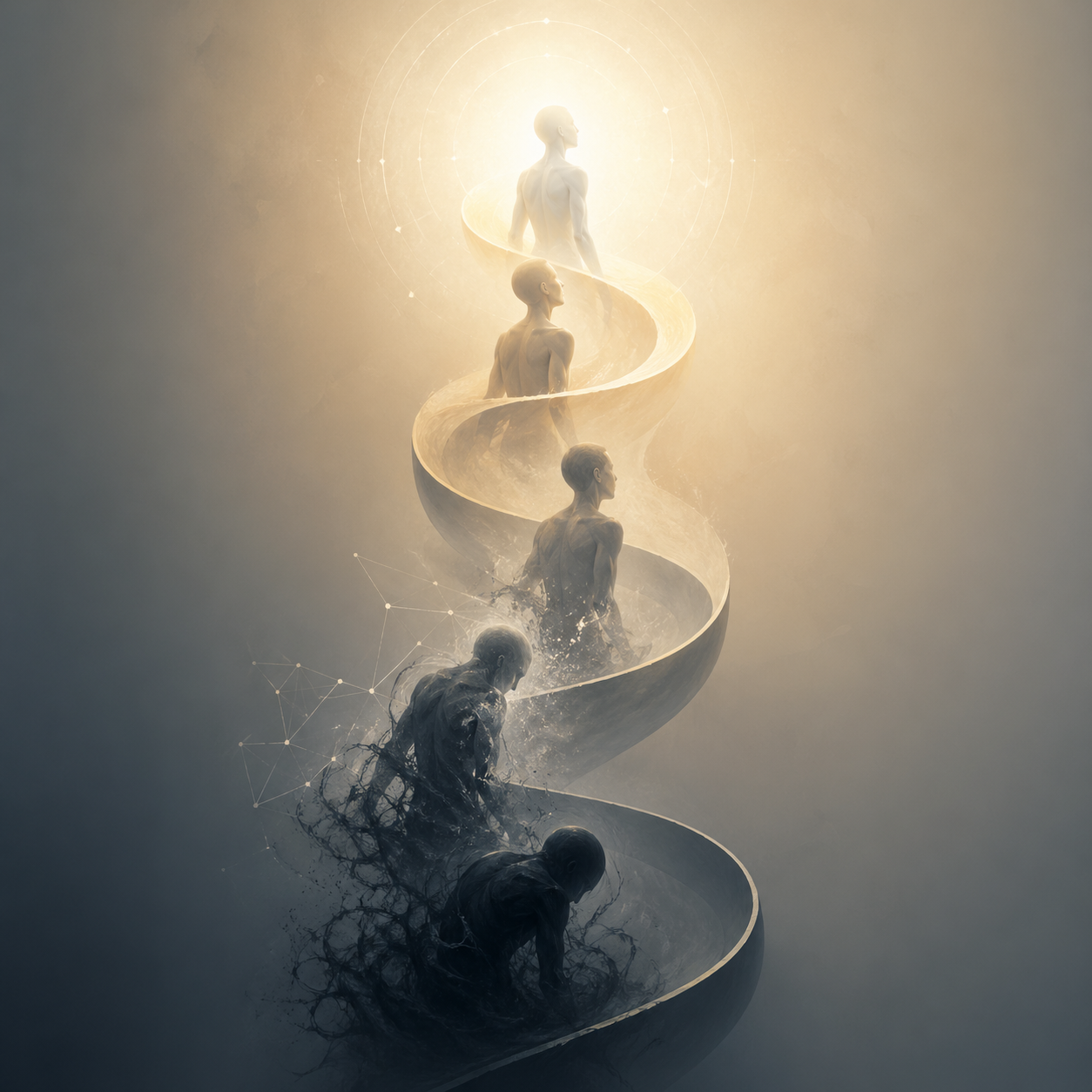
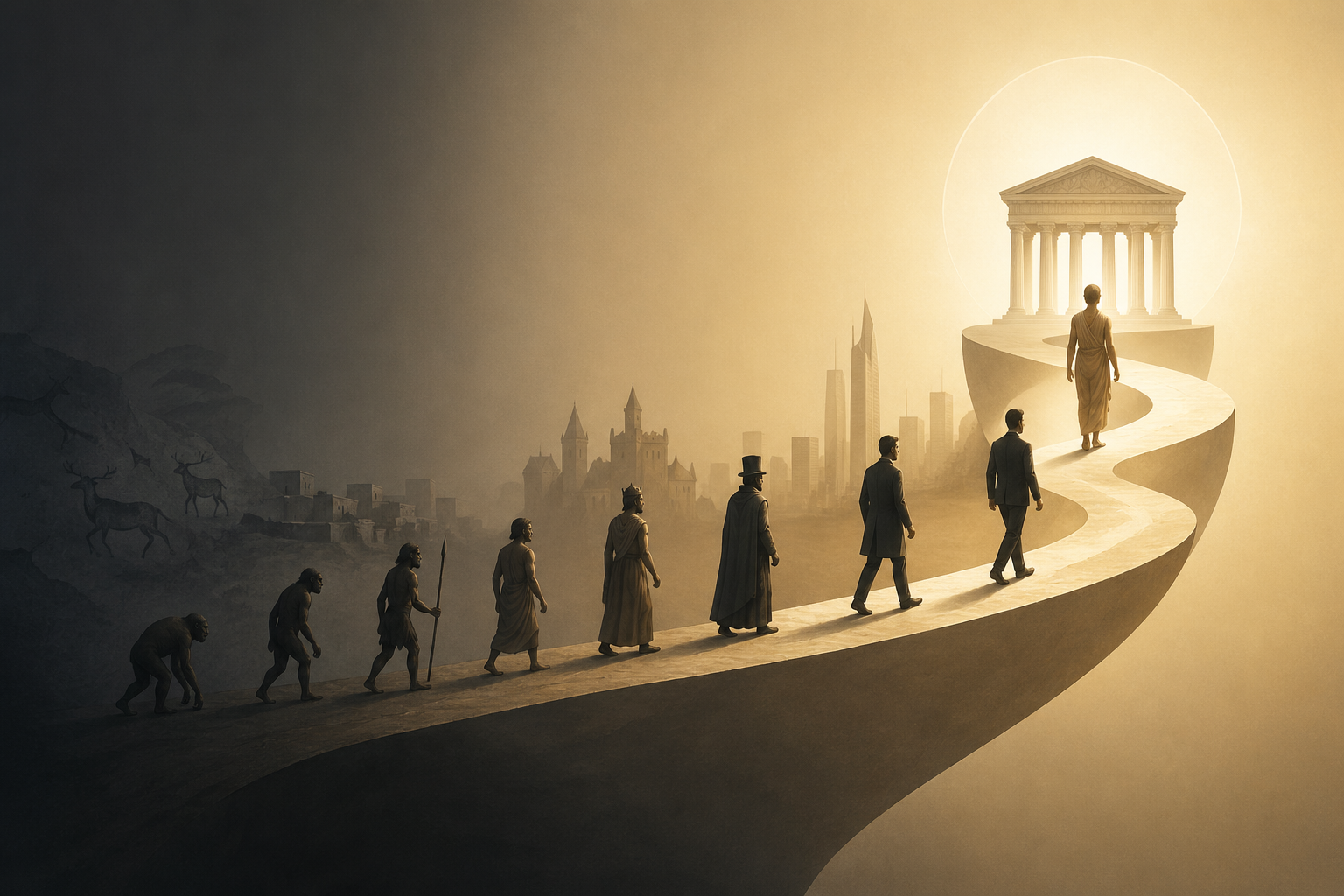
Schelling expresses this through his doctrine of potencies. Reality is not a flat field of equal things but a graduated series of levels of intensity — each higher potency is a recapitulation of the lower at a more self-aware and unified level. Matter, life, and spirit are not three separate kinds of substance but three degrees of one substance's self-expression. The same absolute identity that slumbers unconsciously in the crystal awakens in the plant, stirs in the animal, and knows itself — incompletely, striving — in the philosophising human mind.
The identity philosophy is most fully worked out in Schelling's Presentation of My System of Philosophy (1801) and further developed in Bruno (1802). It stands at the centre of his influence on the Romantic Naturphilosophen.
Related Concepts