What Makes It an Algorithm
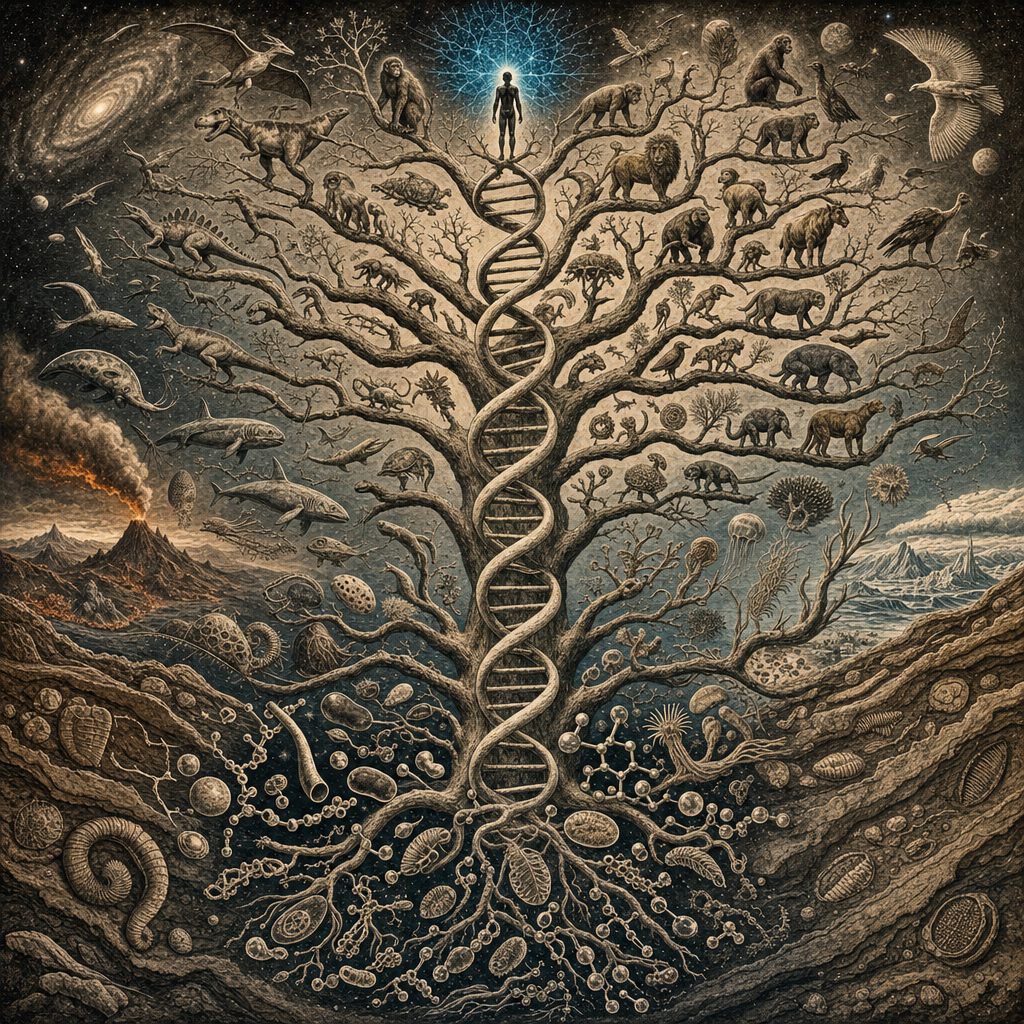
An algorithm is a procedure that produces a result by following rules, without requiring that anyone understand why the rules work. Natural selection is an algorithm because it does not require any intelligence, foresight, or understanding to operate: wherever there are entities that replicate with heritable variation and differential survival, the algorithm runs automatically, producing better-adapted descendants over time. The algorithm does not know what it is doing; it has no goals; it cannot anticipate what will work better. It simply selects what, as a matter of fact, leaves more descendants.
Substrate Independence
The most radical feature of the Darwinian algorithm is that it is substrate-neutral: it will run on any material that supports the three conditions of variation, heredity, and selection. It runs on DNA and proteins in biological evolution; it runs on memes — cultural replicators — in the evolution of ideas, beliefs, and practices; it can in principle run on any sufficiently complex information-processing system. This universality is what makes the algorithm "dangerous": it is not a special biological phenomenon but a fundamental logical structure that can generate design from the bottom up, wherever it has the right raw material.
Design Without a Designer
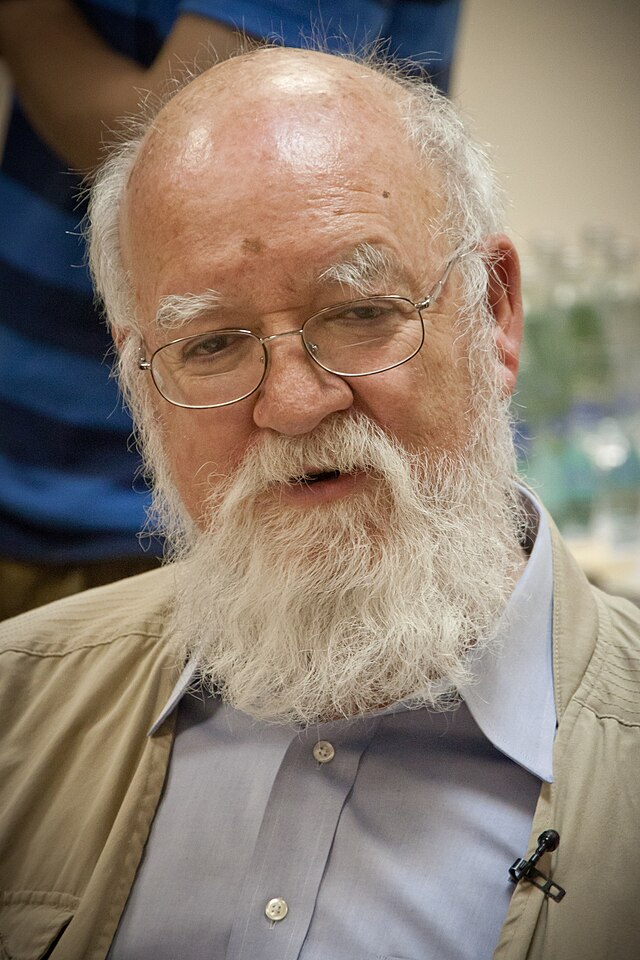
The traditional argument from design holds that the apparent purposiveness of living things — the way eyes seem designed to see, the way hearts seem designed to pump — requires a designer. Dennett's Darwinian answer is that the appearance of design is explained entirely by the algorithm: after billions of iterations, the algorithm has produced entities that look exactly as if they were designed, because the ones that looked less designed were eliminated. The concept of design, properly understood, does not require a designer — it requires only a selection process. This is what makes the algorithm not just useful but philosophically revolutionary.
Darwin's Dangerous Idea (1995) is Dennett's extended philosophical treatment of Darwinian evolution and its implications for mind, culture, and meaning. The book engages directly with the biological work of Stephen Jay Gould, Richard Dawkins, and John Maynard Smith, as well as with the philosophical work of Karl Popper, Thomas Nagel, and others. Dennett's defence of Dawkins against Gould on the question of selectionism became one of the most prominent debates in evolutionary theory's public reception.
Related Concepts