The Tempting Picture
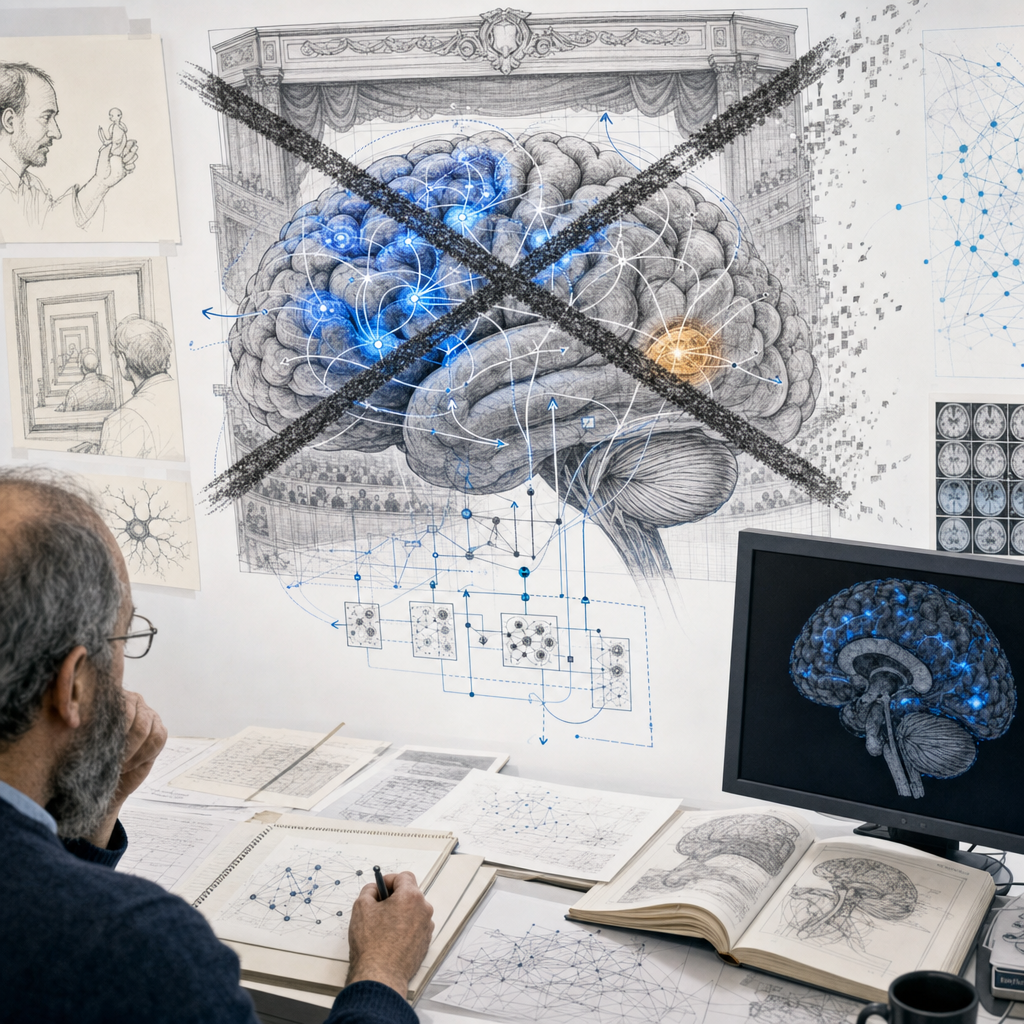
The Cartesian Theater is tempting because it matches our introspective sense of what experience is like. It seems as though there is an "I" that watches the scene of experience — that sees the red apple, hears the music, feels the pain — and that this watching takes place somewhere in the head, in a kind of inner cinema. The theater model makes intuitive sense of why different sensory inputs seem to be experienced together (they all arrive at the same screen), and of why consciousness has the quality of being "for someone" (there is an audience in the Theater).
The Homunculus Regress
The fatal problem with the Cartesian Theater is that it posits a homunculus: a little person inside the head who does the watching. But this homunculus is itself conscious — it has experiences, makes decisions, generates behavior. So how does its consciousness work? If the answer is by a smaller Theater with a smaller homunculus, we have an infinite regress. If the answer is that the homunculus works differently — that its consciousness is somehow explained without a further Theater — then we have already conceded that consciousness can be explained without the Theater. In which case, why invoke it for the outer person?
No Central Meaner
The practical consequence of abandoning the Cartesian Theater is that there is no place in the brain where "it all comes together" — no central processor that generates the final, authoritative version of experience. Instead, there are many parallel processes, each handling aspects of the incoming information, interacting with each other through competition and integration, without any master process that supervises the whole. Consciousness does not happen in a place or at a moment; it is a property of the whole system's activity over time. This is deeply counterintuitive, but Dennett argues that the counterintuitiveness is entirely generated by the Theater model, not by the phenomena themselves.
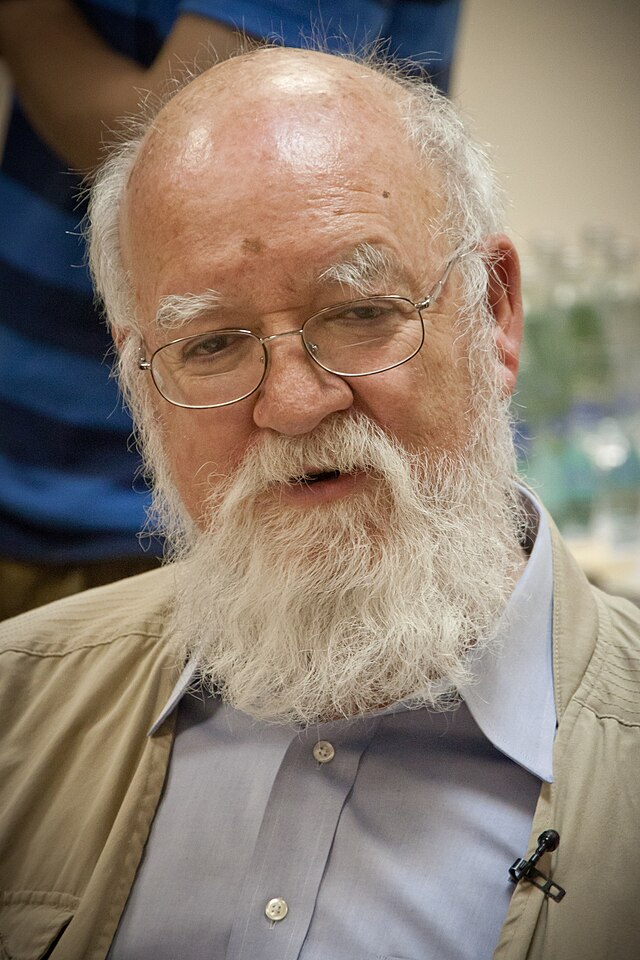
Dennett coined the term "Cartesian Theater" in Consciousness Explained, though the critical argument it represents — against any account that simply relocates the problem of consciousness to a "central meaner" — had been developed in earlier work. The argument was sharpened in subsequent exchanges with critics, particularly with David Chalmers (on qualia) and with philosophers who argued that Dennett had simply denied the existence of consciousness rather than explained it.
Related Concepts