Ideas as Active Forces
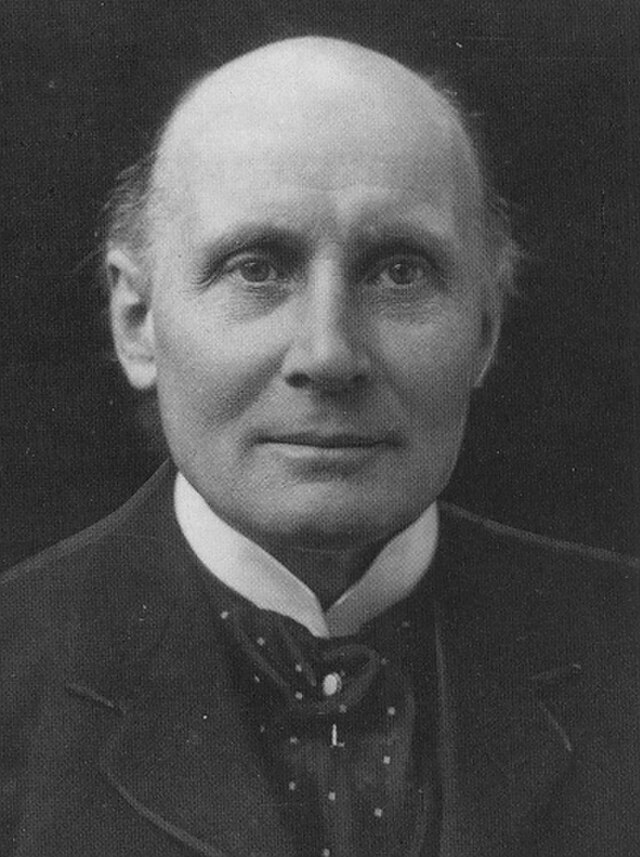
Whitehead opens Adventures of Ideas with a thesis that might seem obvious but has radical implications: ideas matter. The Greek concept of the free individual person — the notion that a human being has a soul that cannot be rightfully enslaved — took centuries to work itself into the institutions and practices of Western civilisation. But it did work itself in, gradually transforming law, religion, and social expectation. The idea preceded the practice and in some sense caused it.
The Platonic Legacy
Whitehead famously said that all Western philosophy is a series of footnotes to Plato. In Adventures of Ideas he explains what he means: Plato grasped the crucial ideas — the soul, the good, the beautiful, the participatory structure of reality — with a completeness that subsequent thinkers have been unpacking, refining, and arguing with ever since. The Platonic legacy is not a set of doctrines but a set of live questions that keep the civilisational conversation going.
Civilisation as Ongoing Creation
Civilisation is never achieved once and for all. It is a continuing adventure — a set of ideas in tension with practices that resist them, ideals outrunning institutions, and institutions gradually catching up with ideals only to find that the ideals have moved further ahead. This dynamic is not a problem to be solved but the essence of what a living civilisation is. The alternative — a society that has achieved its ideals and stopped reaching — is not peace but death.
The first part of Adventures of Ideas (Chapters 1–5) traces the idea of freedom through Greek, Roman, and Christian history. Whitehead draws on classical scholarship and social history in ways unusual for a metaphysician, making Adventures of Ideas one of his most accessible and broadly engaging books.
Related Concepts