The Table and Its Appearances
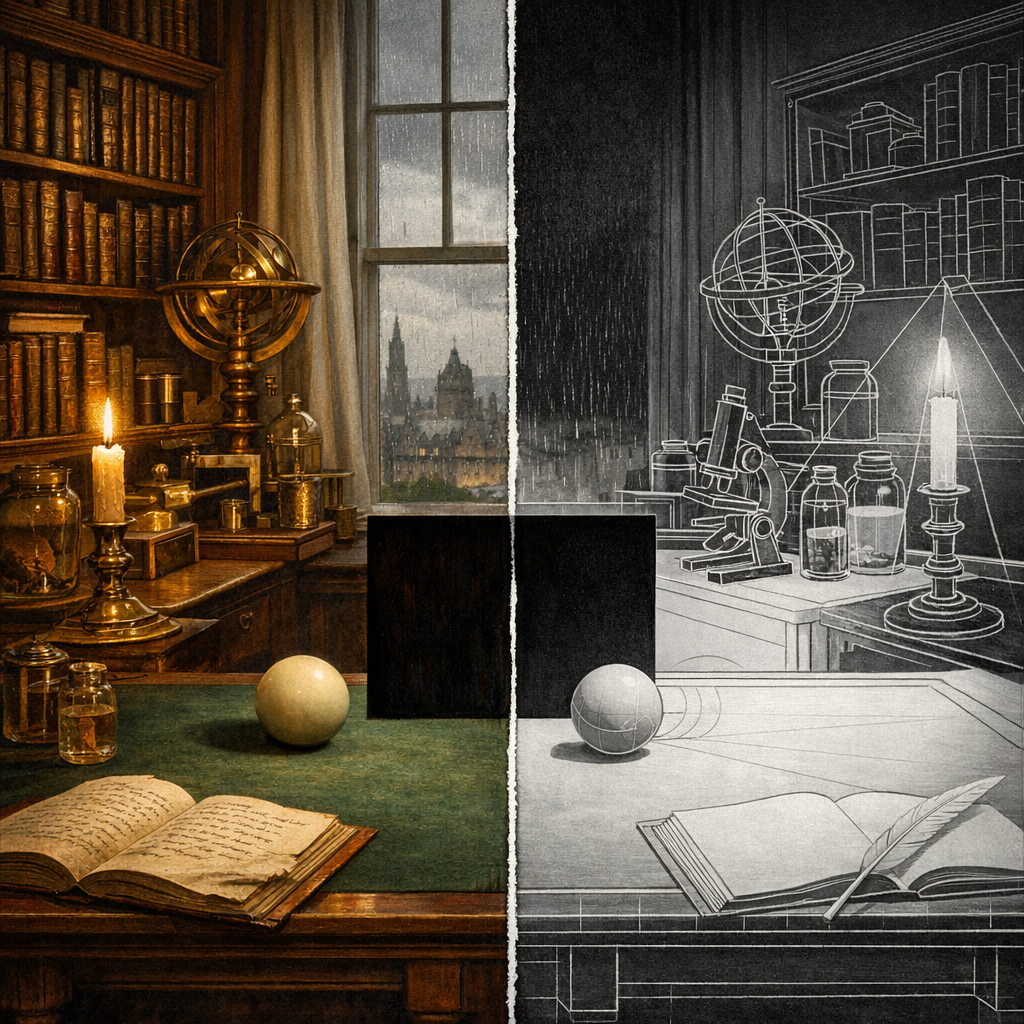
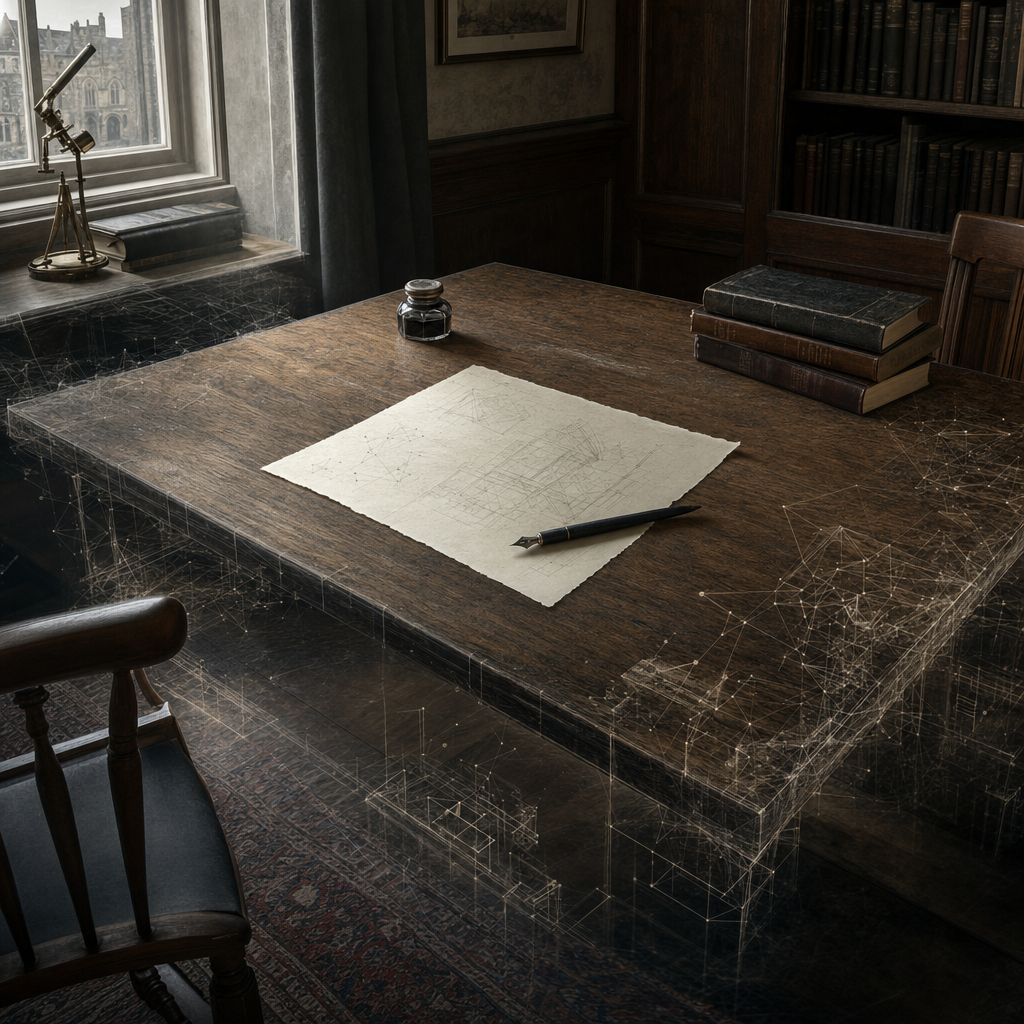
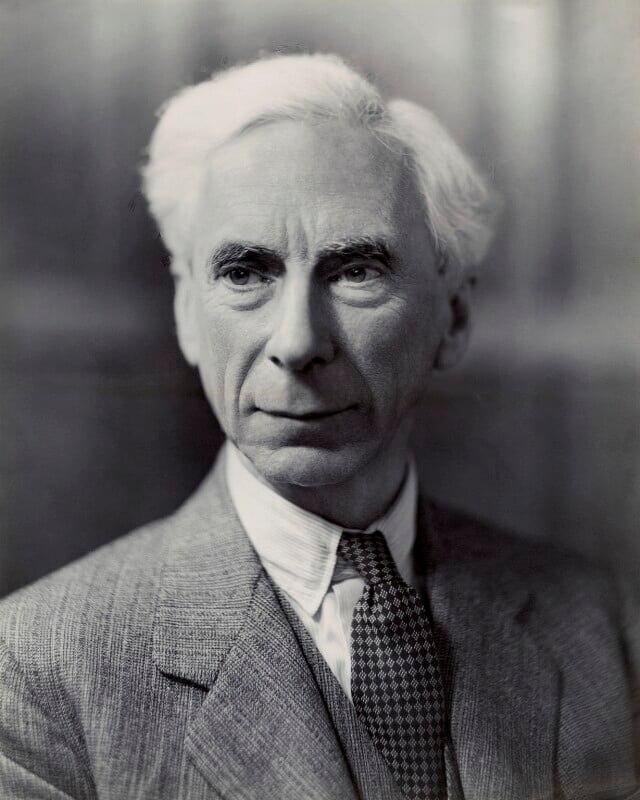
The table looks brown from where Russell sits, but under different lighting it looks darker; its surface feels smooth to his fingers but rough under a microscope; it looks rectangular from directly above but like a parallelogram from an angle. If the table's real colour, texture, and shape changed every time the conditions of observation changed, it would be useless for practical purposes. So either the table has some single, real colour and shape that its appearances only imperfectly reveal — or the concept of the table's "real" properties is itself in need of examination. What we immediately perceive, Russell argues, are not the physical properties of the table but our own sense-data: the particular patches of colour, felt surfaces, and shapes that perception delivers.
Matter and Sense-Data
Sense-data are what we immediately know — the redness of this patch, the hardness of that surface. Matter, if it exists, is something distinct: whatever it is in the external world that causes and underlies our sense-data. The gap between the two is not merely theoretical; it is what makes sceptical doubt possible. We cannot directly compare our sense-data with the supposed matter that causes them, since all our evidence comes through sense-data. Russell does not conclude from this that matter does not exist — the supposition that it does is simpler and more coherent than any alternative — but he insists that its existence is an inference, not an observation.
Uncertainty as Philosophical Progress
The move from confident common sense to careful uncertainty is not a loss but a gain. To recognise that what we take for granted rests on assumptions, and that those assumptions can be examined and questioned, is the beginning of philosophy. Russell argues that the person who has never doubted the table's existence knows less about it than the person who has carefully considered what could be known about it and on what grounds. Uncertainty, properly understood, is not the enemy of knowledge but its precondition: we cannot know what we have not first asked.
The Problems of Philosophy (1912) was written as a Home University Library volume. The table example occupies the opening chapters. The distinction between sense-data and physical objects was Russell's main epistemological preoccupation from 1910 to 1920.
Related Concepts