Freedom from vs Freedom to
Fromm distinguishes "freedom from" — liberation from external constraints — from "freedom to" — the positive capacity to realise one's own powers and to live authentically. The modern period has achieved unprecedented freedom from: from the church, from feudal hierarchy, from traditional community. But it has not provided the conditions for freedom to: the economic security, the social solidarity, the inner development that genuine positive freedom requires.
The Anxiety of Isolation
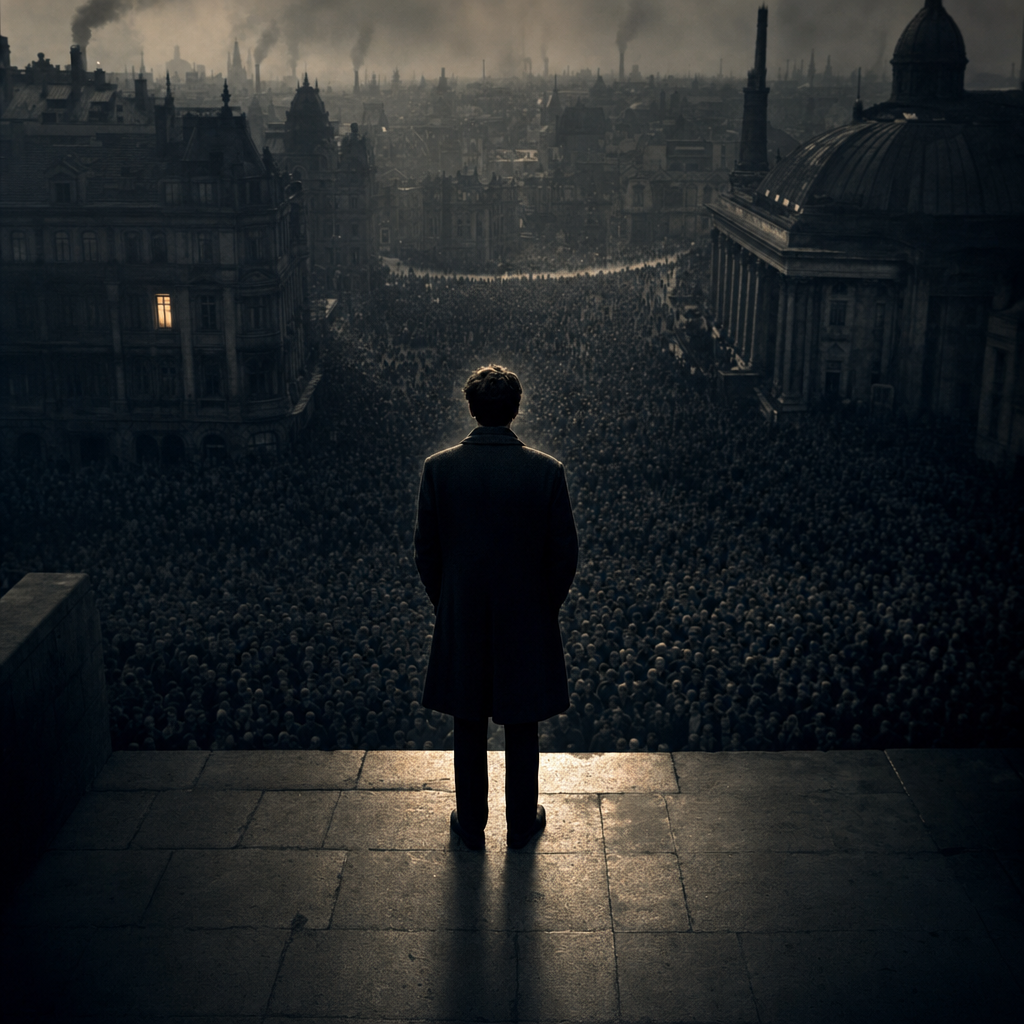
The individual freed from traditional bonds is also freed from the security those bonds provided. The medieval peasant was unfree but not alone: embedded in a dense network of communal life, he knew who he was, what was expected of him, and where he belonged. The modern individual must construct identity and belonging from scratch, without the supporting structures of tradition. The result is an unbearable loneliness that Fromm sees as the psychological ground of fascism.
The Structure of Escapes
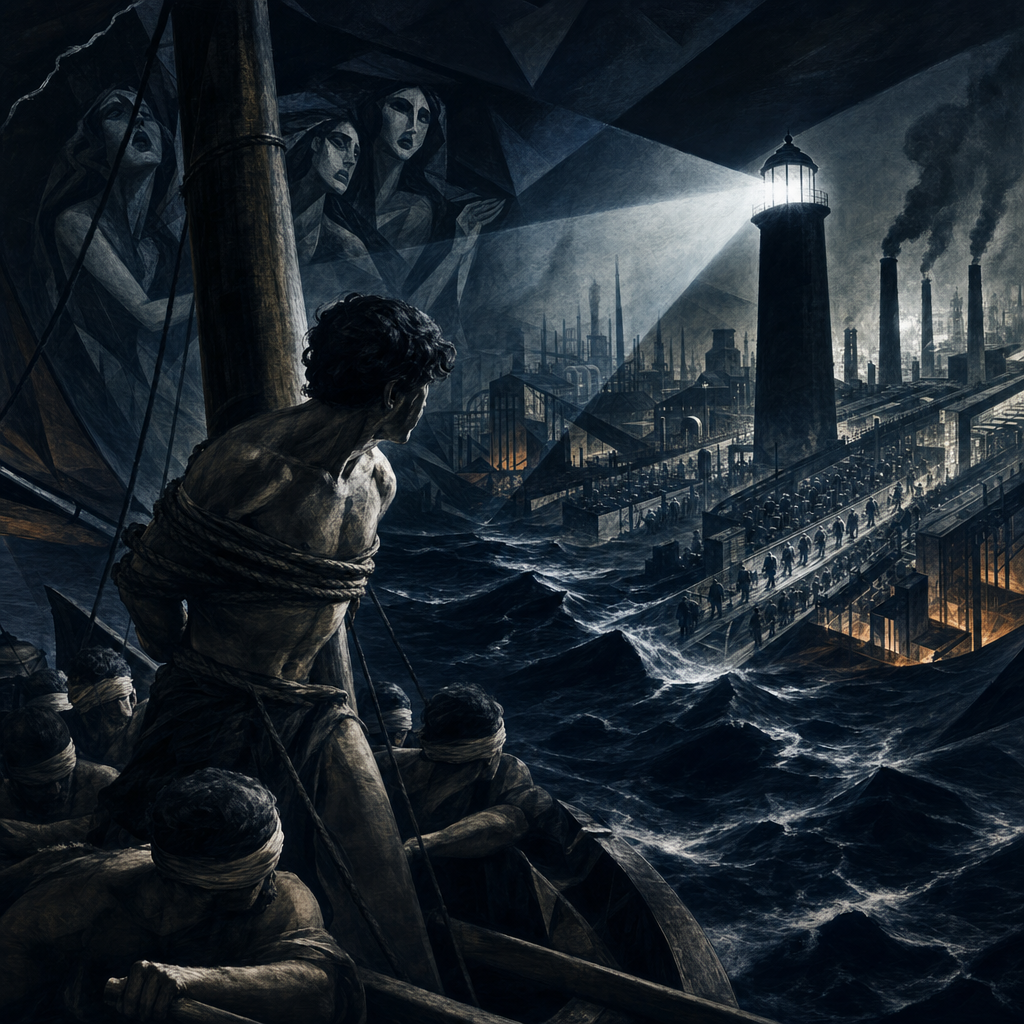
Fromm identifies three main mechanisms of escape from the burden of freedom: authoritarianism (the submission of the self to a power greater than oneself, or the domination of others as a substitute for genuine selfhood), destructiveness (the impulse to destroy the world that threatens the anxious self), and automaton conformity (the adoption of a social mask so complete that the individual no longer experiences the self as distinct from the norm). Modern consumer society specialises in the last.
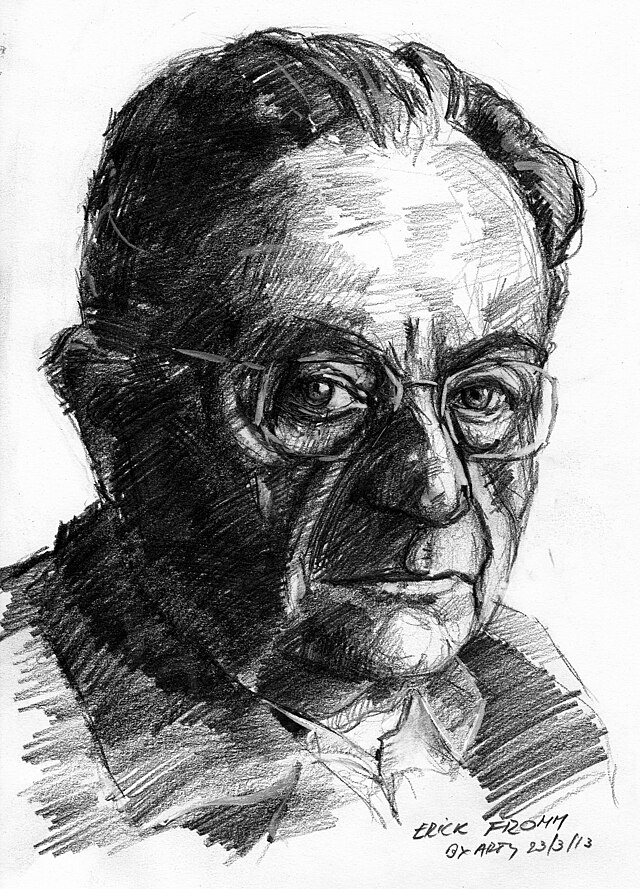
Escape from Freedom (1941) was published in the UK as The Fear of Freedom. Fromm drew on Wilhelm Reich's The Mass Psychology of Fascism (1933) and on his own clinical experience in the Frankfurt School.
Related Concepts