Sadism and Masochism
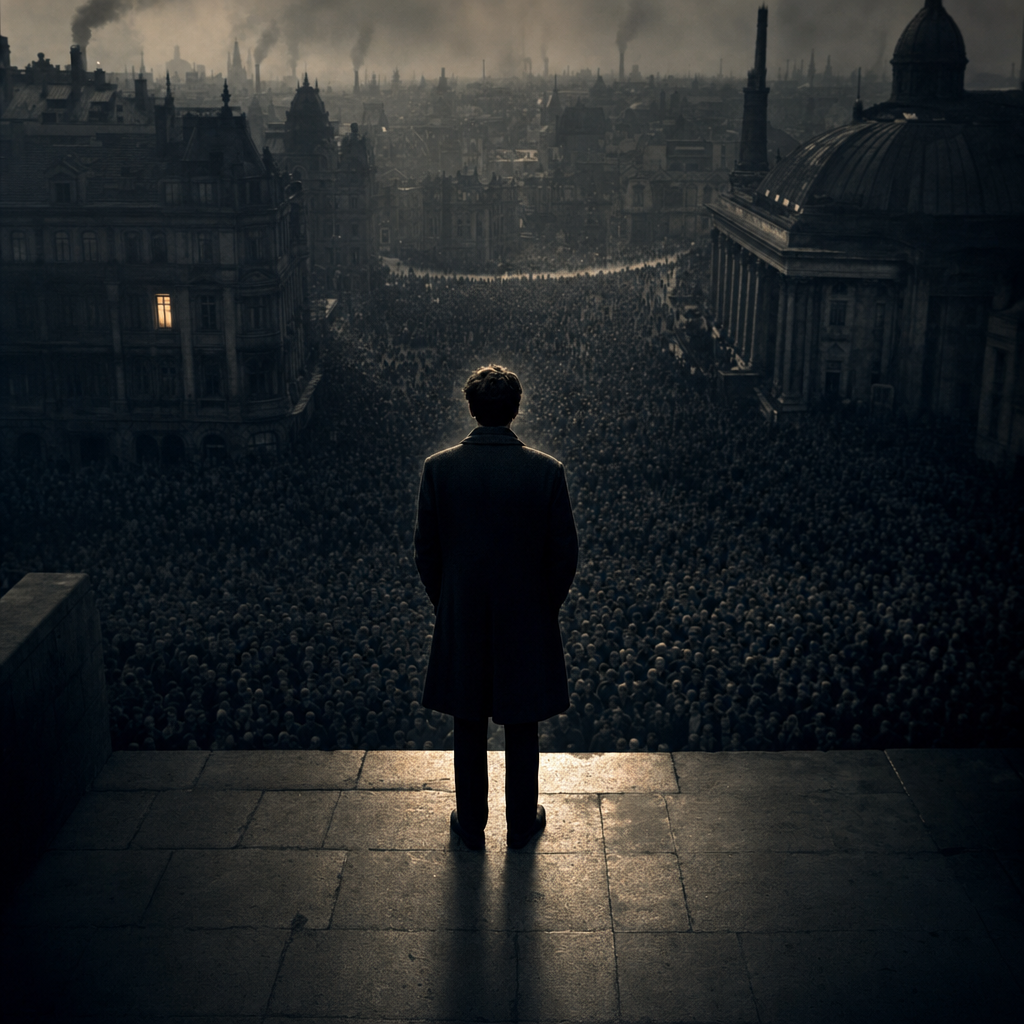
Fromm connects authoritarianism to what he calls the "sadomasochistic" character structure: a combination of the impulse to dominate the weak and submit to the strong. The sadomasochistic person cannot tolerate genuine equality or independence; they experience freedom as emptiness and seek to fill it through submission to a strong authority or the exercise of power over those weaker than themselves. Hitler's appeal rested on offering both: submission to the Führer and domination of the Jews.
Powerlessness as the Root
The authoritarian character is produced by specific social conditions: economic insecurity, loss of status, the collapse of traditional communities. The lower middle class that provided Hitler's mass base had experienced the loss of the economic security and social respect they had previously enjoyed, and they had not developed the inner strength to face this loss without the prop of an authority to lean on. Their freedom had become unbearable precisely because they lacked the inner resources to use it.
Beyond the German Case
Fromm insists that the authoritarian character is not a peculiarly German pathology but a structural possibility of modern society wherever economic insecurity, social atomisation, and the failure of positive freedom combine. His analysis anticipates later studies of authoritarian personality and has been applied to phenomena well beyond Nazism: the appeal of strong-man leadership, religious fundamentalism, and the psychology of consumer conformism.
The concept of the authoritarian character was developed further in the collaborative work The Authoritarian Personality (1950) by Adorno, Frenkel-Brunswik, Levinson, and Sanford. Fromm's version is more psychoanalytic and less sociological.
Related Concepts