Three Kinds of Commentary
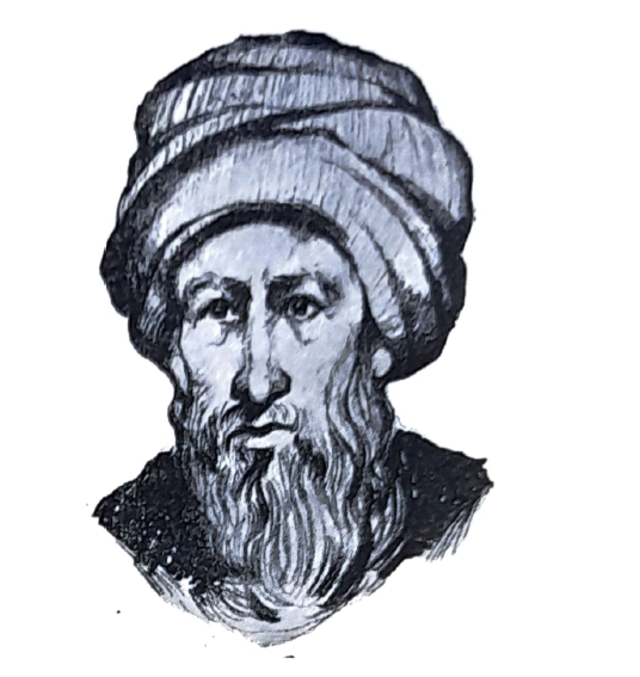
Averroes composed three kinds of commentary on Aristotle: short commentaries (epitomes or summaries), middle commentaries (paraphrases), and long commentaries (literal expositions with extensive philosophical discussion). The long commentaries — on the Physics, Metaphysics, and De Anima — are his most important philosophical works, containing extended original arguments that go well beyond explication of the Aristotelian text. They represent Averroes's attempt to identify what Aristotle actually meant, as distinct from what al-Farabi, Avicenna, and the Neoplatonic tradition had attributed to him.
Against Avicenna's Platonism
Averroes's most persistent polemical target in the commentaries is Avicenna, whom he regarded as having corrupted Aristotle with Neoplatonic accretions. Avicenna's doctrine of the distinction between essence and existence, his account of the soul as a self-subsisting substance, his theory of emanation from the divine intellect — all of these Averroes argues are incompatible with genuine Aristotelianism. The return to Aristotle, for Averroes, means stripping away the theistic accretions with which his predecessors had supplemented the Stagirite and recovering the dry philosophical core: a philosophy that grounds all explanation in natural causation and treats theology as a department of natural philosophy.
The Commentator's Legacy
When Michael Scot translated Averroes's commentaries into Latin between 1217 and 1230, he introduced a complete philosophical system into the European universities at a moment when Aristotle's natural philosophy was just beginning to be received. The Averroistic Aristotle — materialist, eternalist, with a unified rather than individual intellect — became the Aristotle that Aquinas and Albertus Magnus had to argue against and domesticate for Christian use. The condemnations of 1277 targeted positions that had their origin in Averroes. In this negative way, as much as through his positive influence on rational theology, Averroes shaped the entire trajectory of late medieval and early modern philosophy.
Averroes's epithet "The Commentator" was assigned by Dante, who placed him in Limbo alongside Aristotle and the other great pagan philosophers (Inferno IV). His commentaries were standard university texts in logic, natural philosophy, and metaphysics throughout the thirteenth to sixteenth centuries.
Related Concepts