Exposing the "Wisdom of Our Ancestors"
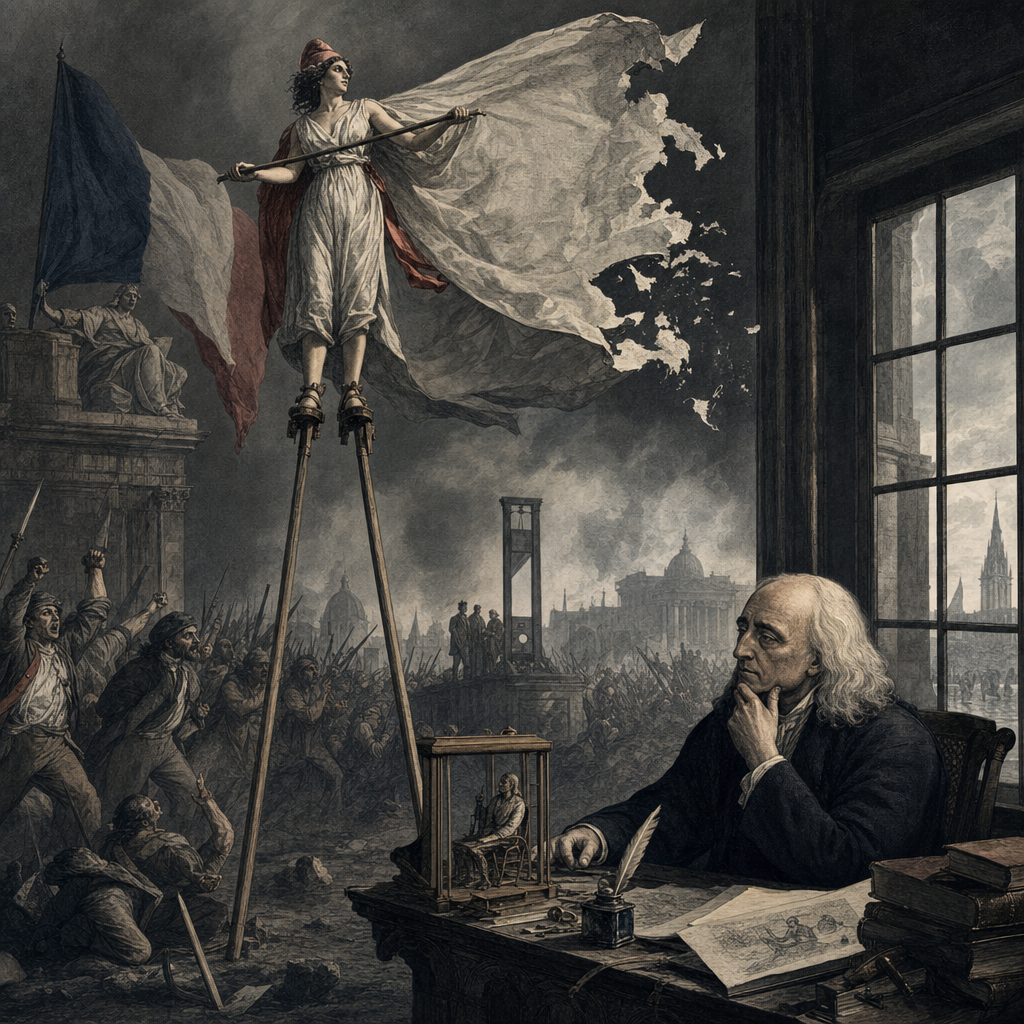
Blackstone claimed that the English constitution was the accumulated wisdom of centuries and therefore not to be tampered with by reformers. Bentham identifies this as circular reasoning: it presupposes that whatever has survived is wise, and that wisdom is whatever has survived. The Fragment strips the conservative fallacy bare, showing that tradition is not a moral argument but an evasion of one. Laws must be judged by what they do to human happiness — not by how old they are.
Against the Social Contract
Bentham also challenges the social-contract foundation that underpinned much Enlightenment political theory. The notion of an original contract between the governed and their governors is, he argues, a fiction — and a dangerous one, because it grounds political obligation on an event that never occurred. Political authority rests on habit and utility alone: people obey government when the probable mischiefs of disobedience outweigh the probable mischiefs of submission. The criterion is always consequences, never ancestry.
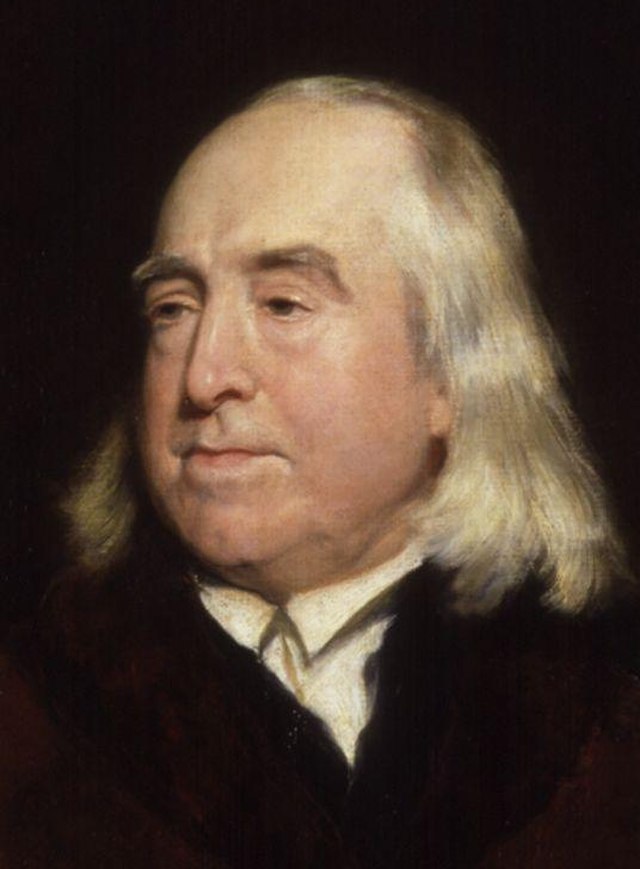
The Fragment on Government (1776) was published anonymously; Bentham was revealed as its author only after initial praise from figures who had assumed a more established writer.
Related Concepts