The Honest Conclusion of Science
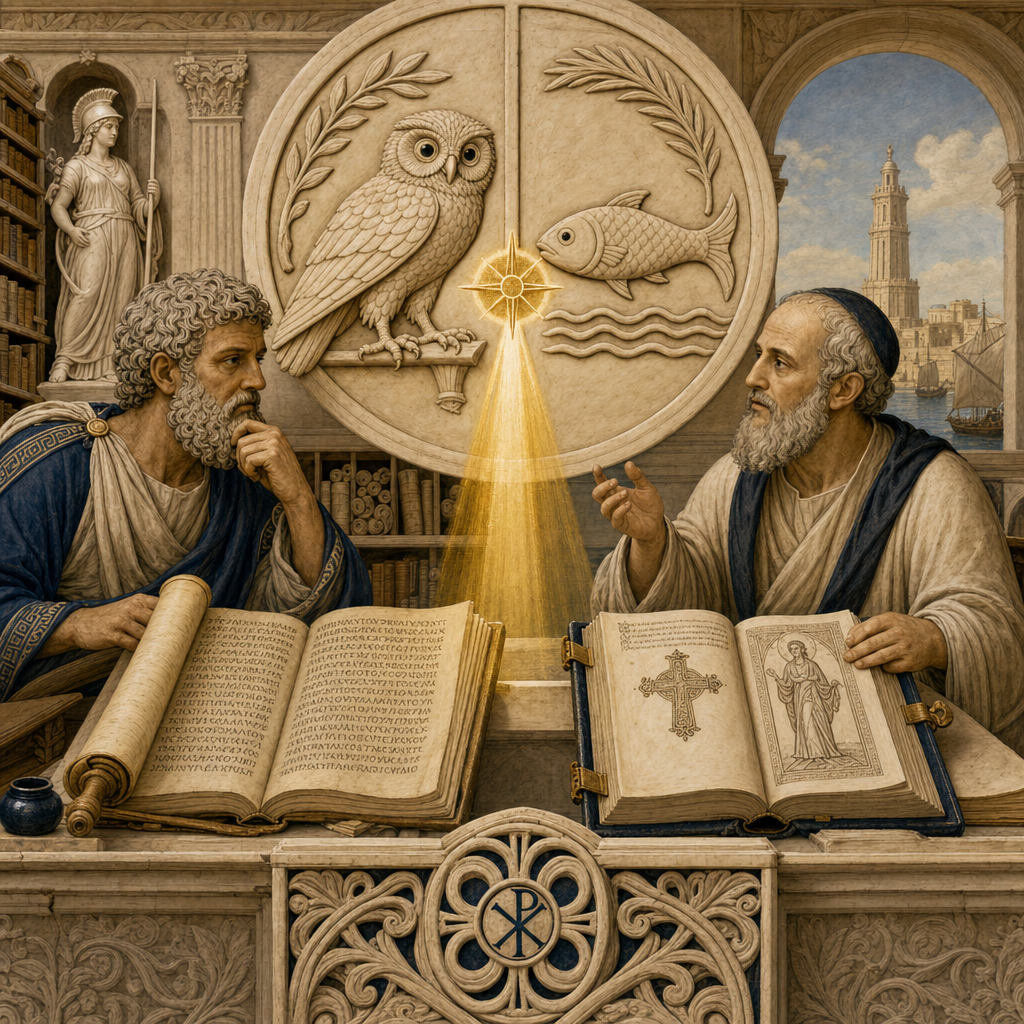
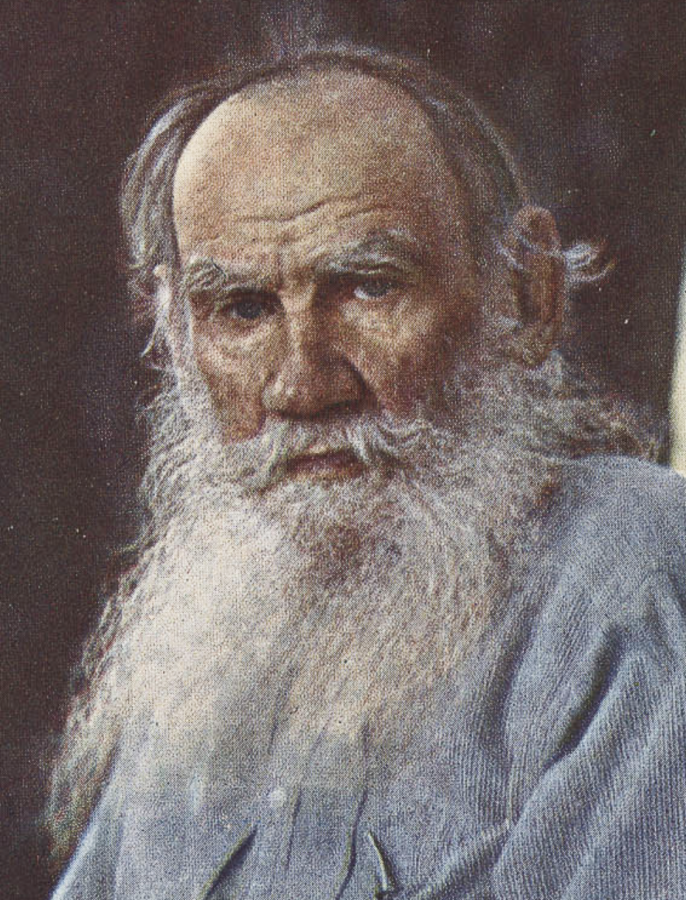
Tolstoy applied scientific rigour to the question of meaning and found that science honestly applied reaches a single conclusion: it cannot answer this question. Science describes what is; it cannot prescribe what ought to be valued or why anything should be continued rather than stopped. The natural sciences tell us about the mechanism of life, its chemistry and biology, its evolutionary history — but they are entirely silent on whether this process is worth anything, whether consciousness matters, whether the struggle of one individual life has any significance beyond its own momentary duration.
The Philosophers' Honesty
The great philosophers had at least been honest enough to face the question. Schopenhauer concluded that existence is suffering and the will is a blind, purposeless striving that produces more pain than pleasure — the rational response is the extinction of desire. Buddha had reached a structurally similar conclusion by a different route. Solomon, despite all his wisdom and pleasure, found everything vanity. These conclusions seemed to Tolstoy more intellectually respectable than the ordinary educated European's refusal to confront the question at all — the assumption that comfort, success, and the avoidance of thought constituted an adequate answer.
Beyond the Rational
What Tolstoy finally concluded was not that reason was wrong but that it was simply not the right tool for this particular job. The question of how to live cannot be answered by argument because an argument is only as compelling as the values one brings to it, and what the question of meaning puts in doubt is precisely those values. The answer, he came to believe, could only be found in a form of life — in actually living differently, in love and service and acceptance — not in any proposition that could be demonstrated. This is not irrationalism but a recognition of reason's proper scope.
Tolstoy's engagement with Schopenhauer was deep and sustained; he had read The World as Will and Representation closely and considered it the most honest work of Western philosophy. His break with Schopenhauer's pessimistic conclusion — through the discovery of a practical rather than theoretical answer — is one of the pivots of A Confession.
Related Concepts