The Failure of Success
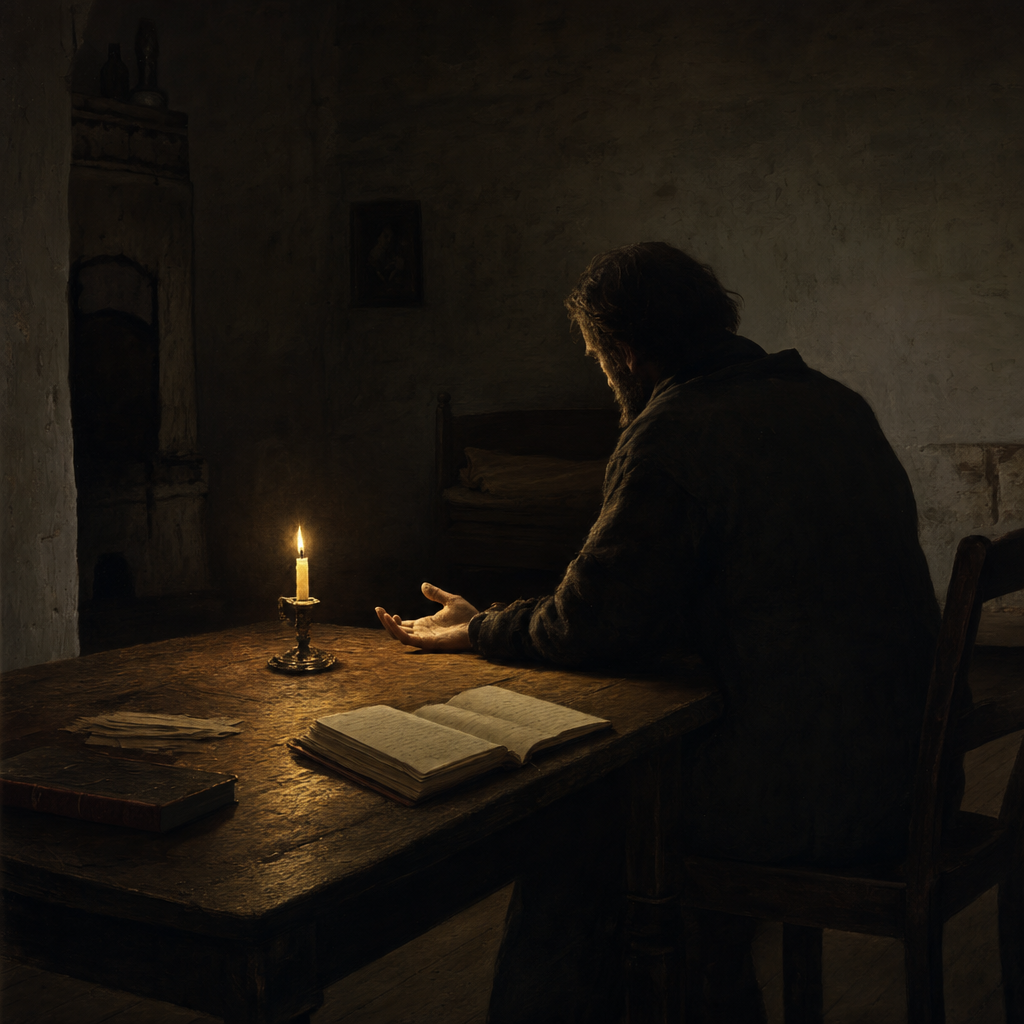
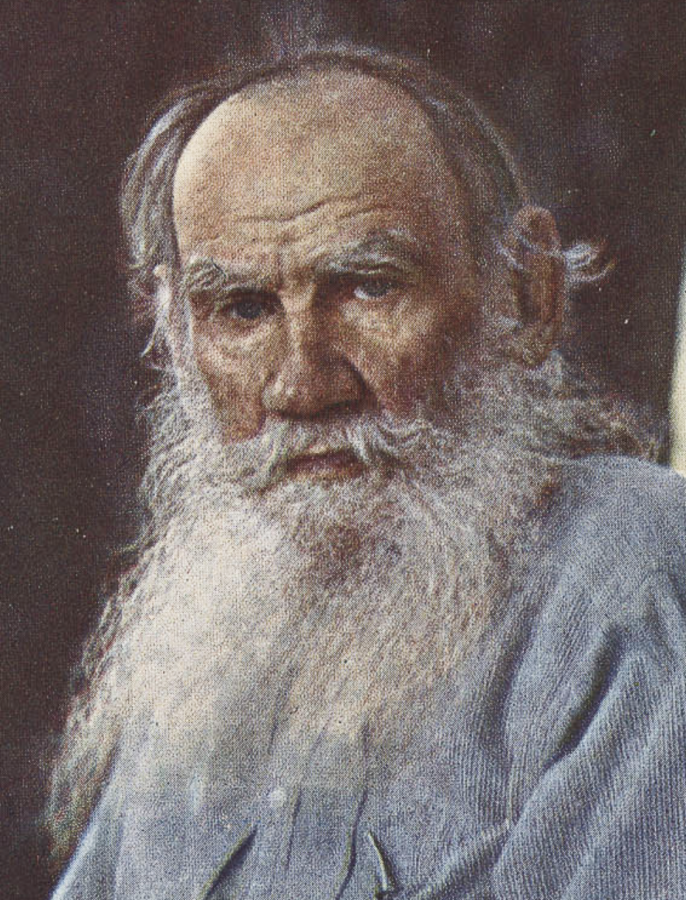
Tolstoy had everything the educated world considered sufficient for a good life: wealth, fame, a loving family, artistic achievement of the first rank. And yet he found himself regularly stopping mid-task, seized by the thought that nothing he was doing had any point. The question that paralysed him was not "how should I live?" but the prior question: "why live at all?" Life stretched before him as a field in which every activity was equally pointless — not because any particular thing was bad, but because no framework existed in which any of it could matter.
The Silence of Science and Philosophy
Tolstoy turned first to science and then to philosophy — Socrates, Schopenhauer, Solomon, Buddha — seeking an answer to the question of life's meaning. He found that science, properly understood, does not address this question at all: it can tell us how things work but cannot say whether the whole enterprise is worth anything. The philosophers had been more honest: Schopenhauer and Buddha had concluded that life is evil and the wisest response is extinction of desire. Socrates had argued that death might be preferable to life. None of them offered Tolstoy what he was looking for — a reason to live rather than a reason to die or a refined way of enduring the wait.
The Question the Rational Cannot Answer
What Tolstoy eventually recognised was that the question of meaning is not a scientific or philosophical question in the ordinary sense — it cannot be answered by accumulating facts or by logical argument. It is a question that only a certain kind of life can answer. The people around him who lived without this crisis — the simple peasants, the unlettered believers — were not answering the question by argument; they were living in a way that dissolved it. This recognition did not immediately solve anything, but it pointed Tolstoy in the direction of a solution: not an intellectual answer but an existential one.
A Confession was written in 1879–80 and circulated in manuscript before being published abroad in 1882; it was banned in Russia. It is the first of Tolstoy's explicitly religious and philosophical writings and the key to understanding the transformation of his later life and work.
Related Concepts