What the Educated Lack
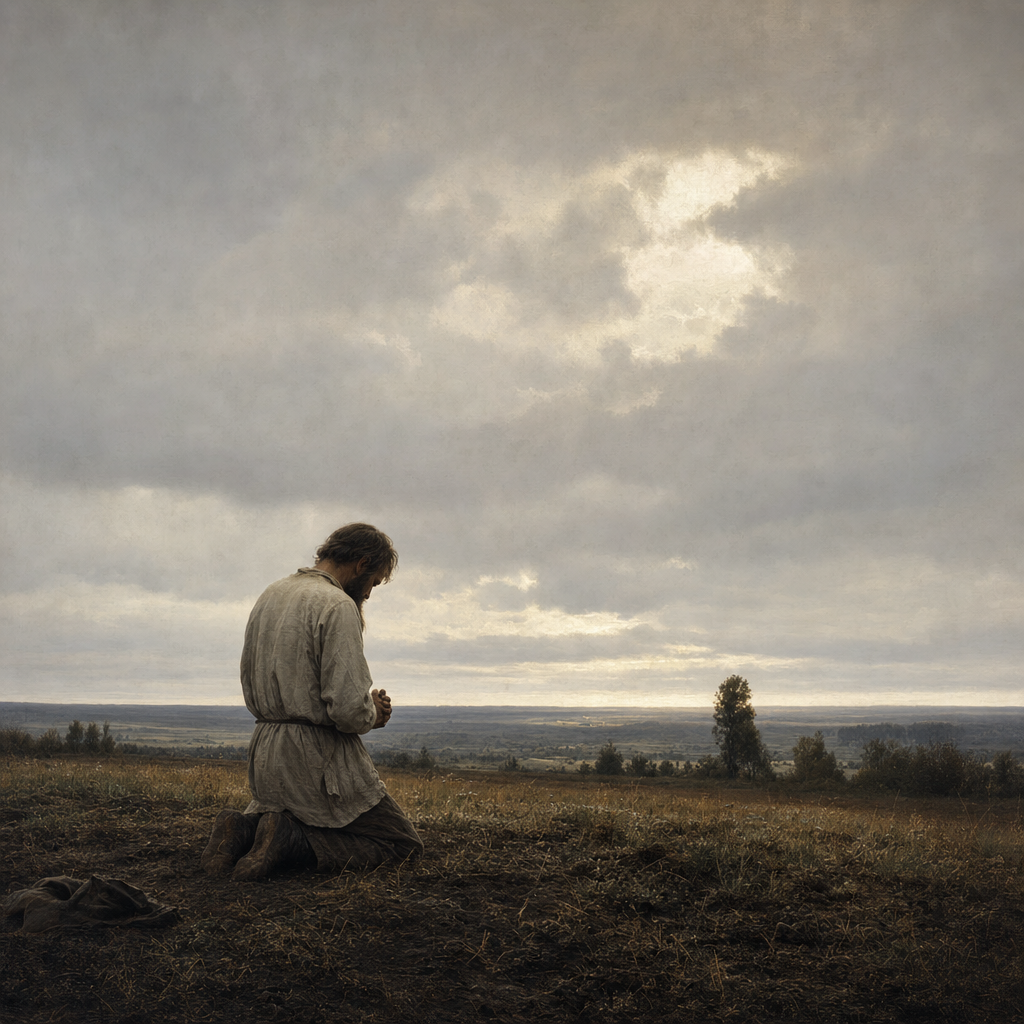
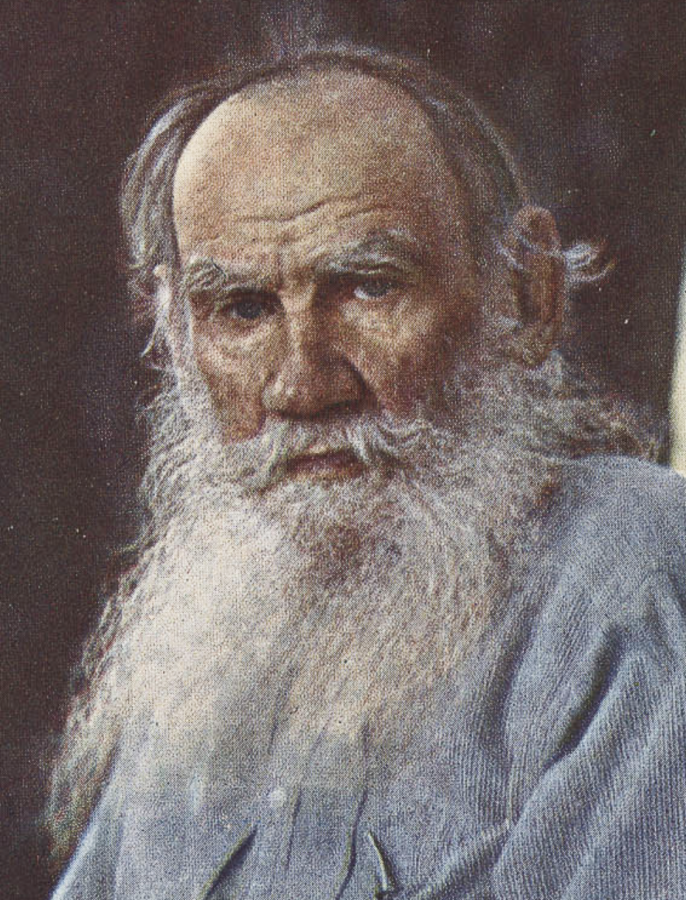
Tolstoy noticed a stark contrast between the educated classes — who had access to all of science and philosophy and were frequently miserable — and the peasant majority, who had very little of either and lived, on the whole, with equanimity and purpose. The difference, he concluded, was not intelligence or information but the possession of a framework of meaning within which to live. The peasants had faith; the educated had critique. And critique, however sophisticated, cannot answer the question that faith answers simply by being lived.
The Difficulty of Returning
Tolstoy could not simply adopt the peasant's faith unchanged — not because he was too proud, but because he had genuinely lost the ability to believe the mythological and supernatural elements of popular Orthodox Christianity. He could not honestly affirm the literal resurrection, the efficacy of sacraments, or the authority of the Church hierarchy. What he could find in peasant faith was its core: a practical orientation toward love, patience, and acceptance that produced a way of living the educated world had lost. His task was to extract this core from the husk of dogma he could not accept.
Faith as a Force of Life
Tolstoy arrived at a definition of faith not as intellectual assent to propositions but as a force of life — the thing that gives people the energy to go on living, to work and love and endure hardship without collapsing into the question "why bother?". By this definition, even the atheist who lives with genuine purpose and love has something of faith; and the devout churchgoer who is secretly consumed by anxiety and self-interest has very little of it. This functional definition of faith, radical in its departure from orthodox theology, became the basis of everything Tolstoy wrote in the two decades that followed.
Tolstoy's account of the peasant's faith in A Confession directly preceded his systematic study of the Gospels in A Harmony and Translation of the Four Gospels (1881–2) and What I Believe (1884), in which he attempted to reconstruct what he called the genuine teaching of Christ, stripped of Church accretion.
Related Concepts