The Caging of Instinct
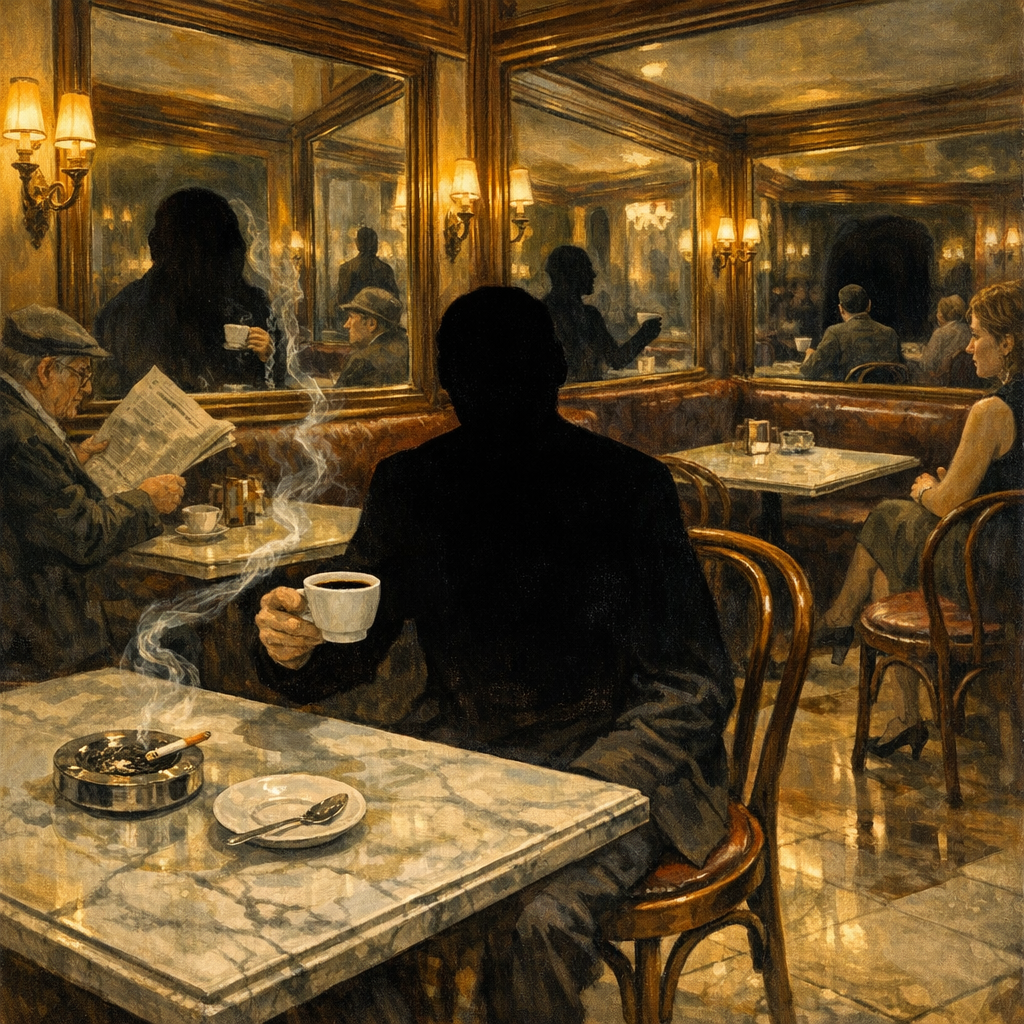
Primitive man was shaped over millennia for a life of war, hunting, and freedom. When social organisation imposed peace and custom, the instincts adapted for aggression could not simply cease to exist. They had to be redirected. The only outlet that remained was the self.
it was this fool, this homesick and desperate prisoner--who invented the "bad conscience."
The Internalisation of Man
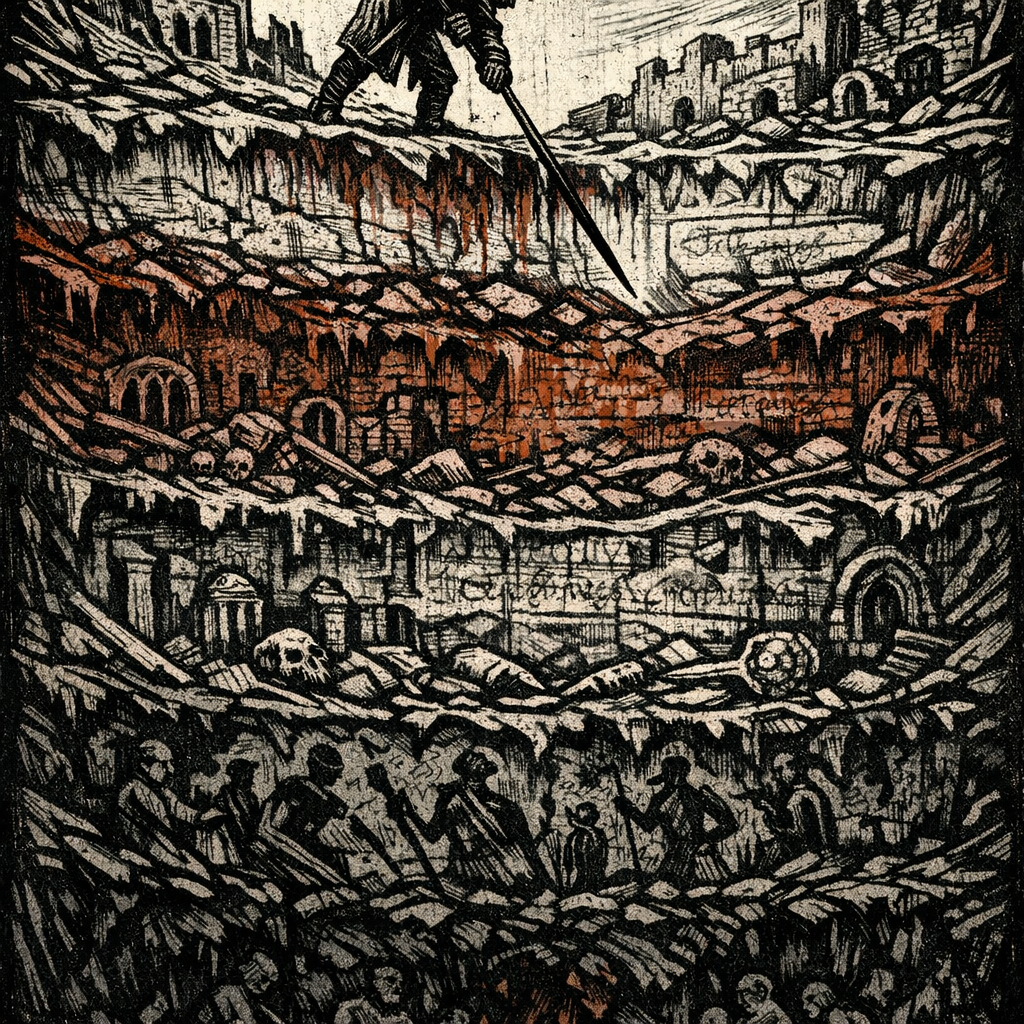
Bad conscience is not merely a feeling of guilt but the entire complex of inward life: the soul itself. When external action was blocked, the energy directed outward turned into reflection, self-examination, and eventually self-torture. The growth of the interior world, everything we call conscience, spirituality, and inwardness, is the direct product of this blockage. The soul is the prison cell remodelled as a palace.
An Illness Like Pregnancy
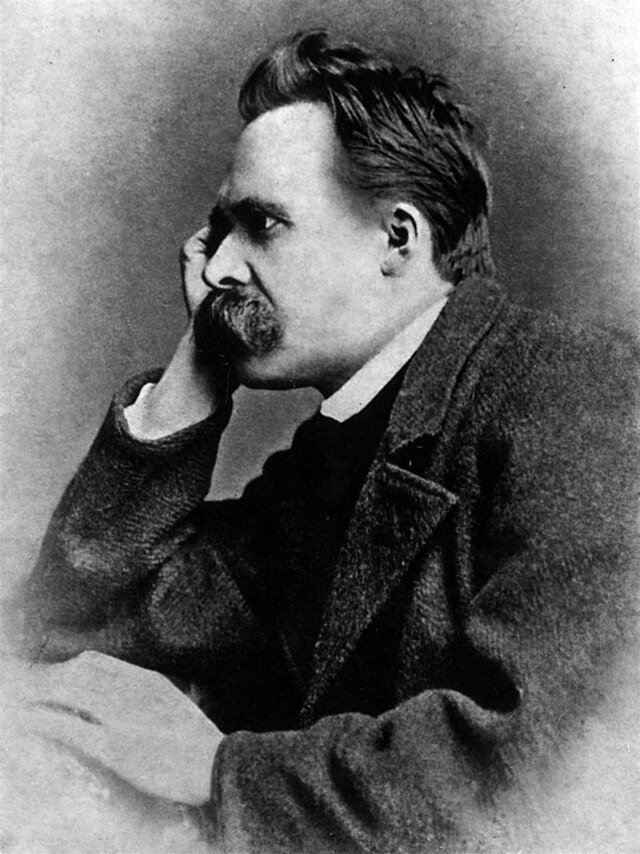
Nietzsche does not regard bad conscience as simply pathological. It is an illness like pregnancy: deeply uncomfortable but potentially productive. From this tortured interior came the creative achievements of higher humanity: art, religion, philosophy, the revaluation of values. The question is whether humanity can harness this self-directed energy for creation rather than self-destruction.
The Second Essay's account of bad conscience leads directly into the Third Essay: bad conscience is the psychological precondition for the ascetic priest's power over the suffering soul.
Related Concepts