The Image
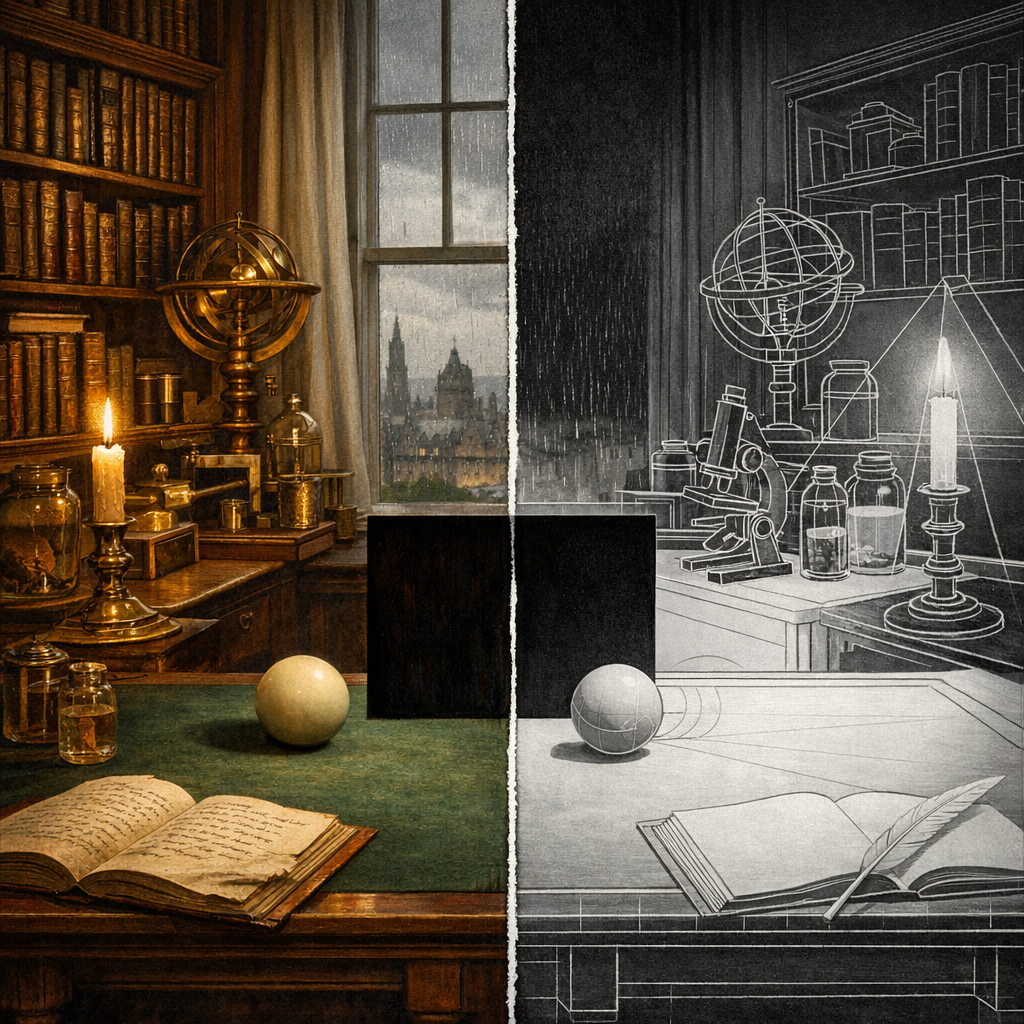
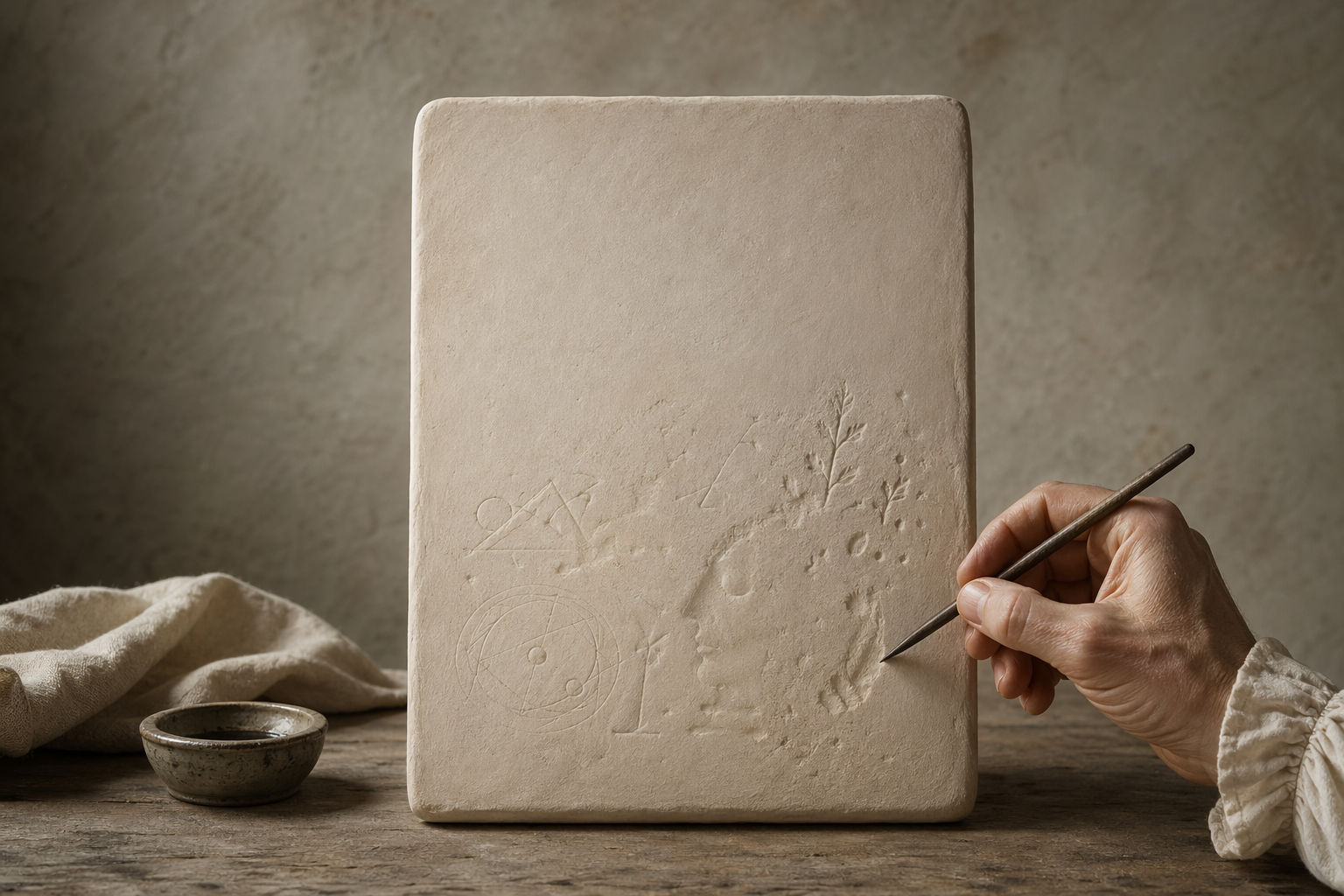
Let us then suppose the mind to be, as we say, white paper, void of all characters, without any ideas:—How comes it to be furnished? Whence comes it by that vast store which the busy and boundless fancy of man has painted on it with an almost endless variety?
The image of the tabula rasa — the blank slate — crystallises the empiricist programme. The mind is not a storehouse of pre-formed truths but a capacity for receiving and processing impressions. Everything in the mind — every idea, every concept, every belief — has its ultimate origin in experience. The diversity of human knowledge reflects the diversity of human experience, not the diversity of what was already inscribed before experience began.
Experience as the Single Source
Locke identifies two kinds of experience from which all ideas ultimately derive. The first is sensation: the interaction of our senses with external objects, delivering to the mind simple ideas of qualities such as yellow, hot, hard, and sweet. The second is reflection: the mind's awareness of its own operations — thinking, doubting, believing, reasoning, willing — which delivers a second class of ideas that have no direct counterpart in the external world.
These two sources together exhaust the supply. Locke is confident — and challenges the reader to produce a counterexample — that every idea the mind possesses can be traced to one or both. If you claim to have an idea of God, of infinity, or of substance, Locke will ask: where did you get it? His answer is always the same: you assembled it from simpler ideas, which you got from sensation or reflection. The complex is always built from the simple, and the simple always comes from experience.
Implications for Knowledge
The tabula rasa is not merely a metaphor — it is the foundation for Locke's theory of knowledge and, beyond that, for a political philosophy of toleration and individual judgment. If minds begin equal and empty, then differences in belief, religion, and opinion are the products of different experiences, different upbringings, different environments — not the expressions of minds that have been given different truths from birth. No one is born with the right religion; no people is born with the correct political constitution. The tabula rasa underwrites a deeply egalitarian epistemology.
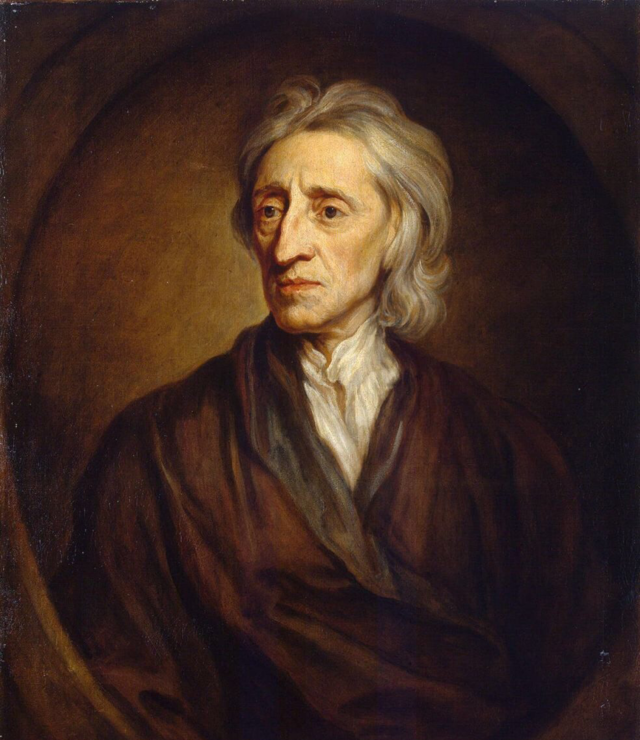
The tabula rasa image appears at the opening of Book II of the Essay, in the chapter on ideas in general and their origin. The term itself — blank slate or white paper — was not Locke's invention (Aristotle used a similar image) but Locke made it the centrepiece of modern empiricism.
Related Concepts