Universal Consent Proves Nothing
The strongest argument for innate ideas is the claim that certain propositions — above all the logical laws of identity and non-contradiction — are universally accepted by all mankind. Locke attacks this argument from two sides. First, the empirical claim is false: there is no proposition accepted universally across all cultures and ages. Second, even if universal consent existed, it would not prove innateness: any proposition that could be learned through experience and reason would be universally accepted in just the same way.
But, which is worse, this argument of universal consent, which is made use of to prove innate principles, seems to me a demonstration that there are none such: because there are none to which all mankind give an universal assent.
Children and Idiots
Locke's most pointed argument is directed at those who say innate principles are known "when we come to the use of reason." Locke replies: if they are not known before reason, they are not innate but acquired — they are conclusions that reason reaches, not premises it brings. To say principles are innate but not known until reason operates is to say they are innate but not actually in the mind until they are learned. The doctrine collapses under the pressure of this analysis.
The decisive evidence is the minds of children and people who lack the use of reason. If certain principles were truly stamped upon the mind at birth, we should find them there universally — including in minds too young or too impaired to have acquired them by learning. But we find nothing of the sort. Children do not assent to the law of non-contradiction; they have no conception of it. This is not evidence of impaired reason — it is evidence that the law is not innate but acquired.
What the Argument Opens
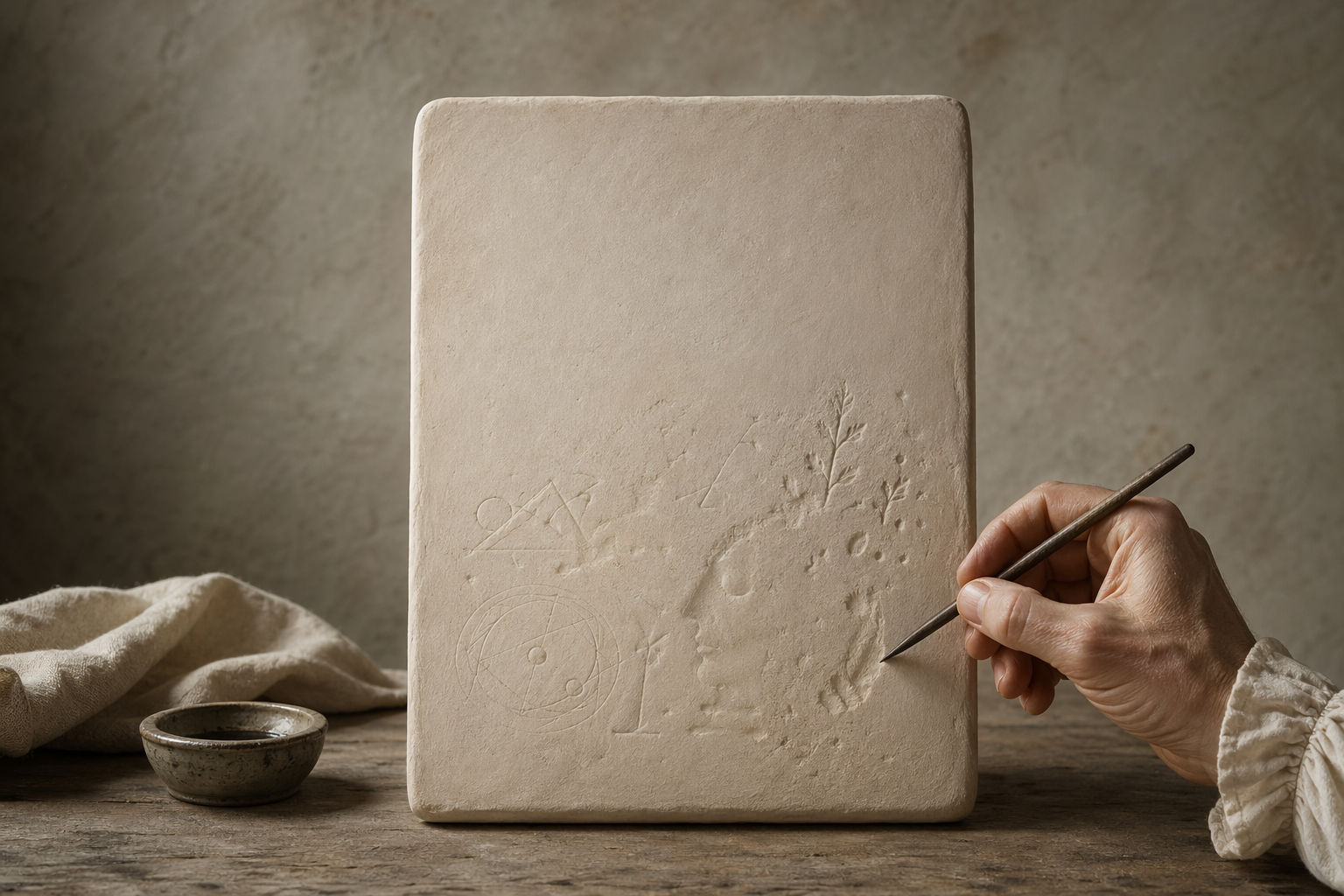
The importance of Locke's anti-innatism goes beyond the specific doctrine it refutes. By removing innate ideas from the picture, Locke clears the field for the positive project of the Essay: a careful investigation of how the mind actually acquires its ideas, what the limits of human knowledge are, and how we should proportion our beliefs to the evidence available to us. The Essay becomes possible only once we have abandoned the comfortable fiction that the most important truths are already there, ready-made, from birth.
The attack on innate ideas occupies the whole of Book I of the Essay Concerning Human Understanding, which Locke regarded as a necessary clearing operation before his positive account could begin. His target was principally the rationalist tradition of Descartes and Herbert of Cherbury, though he never names Descartes directly.
Related Concepts