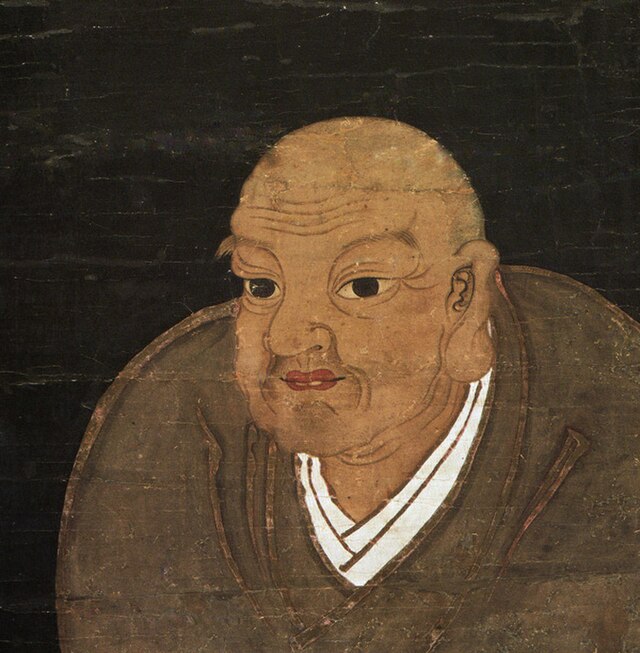
Disaster as Spiritual Consequence
Nichiren's argument begins from an observation: Kamakura Japan in the mid-thirteenth century had suffered a series of catastrophes — floods, earthquakes, famines, epidemics — unprecedented in their severity. The conventional Buddhist response was to intensify prayer and ritual devotion. Nichiren's response was diagnostic: these disasters are not accidents but consequences. The nation has turned away from the correct teaching — the Lotus Sutra — and embraced erroneous teachings, particularly the nenbutsu of the Pure Land school. The calamities are the karmic result of this spiritual error, and more are to come (he predicted foreign invasion — later vindicated by the Mongol invasions of 1274 and 1281) unless the error is corrected.
The Inseparability of Buddhism and Society
The philosophical foundation of this argument is the Mahayana teaching on the inseparability of individual and collective karma and of the inner life and the outer world. For Nichiren, the state of a society's collective spiritual life and the state of its material conditions are not independent variables: a society whose people practise false teachings generates a collective karma that manifests in natural and social calamity. Conversely, a society whose people practise the correct teaching will enjoy what Buddhist texts call a "peaceful land" — social harmony, natural abundance, and protection from invasion.
Shakubuku and the Duty of Remonstration
From this analysis follows Nichiren's controversial method of shakubuku: the forceful refutation of erroneous teachings and the urgent advocacy of the correct teaching. Against the gentle, accommodating approach of other Buddhist teachers, Nichiren insisted that compassion required directness: to allow people to continue in error out of politeness was to allow them to accumulate harmful karma and to contribute to national disaster. He remonstrated repeatedly with the Kamakura government, accepting exile and the threat of execution as the price of his duty. The Rissho Ankoku Ron presents this not as fanaticism but as the deepest expression of Buddhist compassion: caring enough for both individuals and society to risk everything to correct a dangerous error.
The Rissho Ankoku Ron was submitted to the regent in July 1260 and provoked an immediate backlash: Nichiren's hermitage was burned down and he was exiled to Izu in 1261. His prediction of foreign invasion — contained in the text's analysis of the sutras on national protection — was fulfilled by the Mongol invasions of 1274 and 1281, an event that significantly enhanced his reputation among his followers. The text remains one of the central documents in the political philosophy of Japanese Buddhism.
Related Concepts