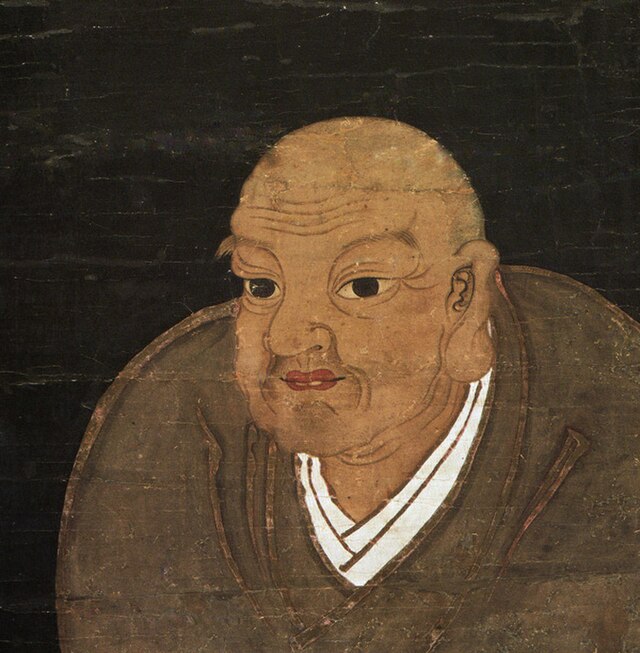
The Universal Buddha Nature
The Lotus Sutra's most radical teaching — the one that, in Nichiren's account, distinguishes it from all provisional Buddhist doctrines — is the universality of the Buddha nature. The earlier teachings had distinguished between those capable of Buddhahood and those who were not, or had located Buddhahood in a distant future after countless lifetimes of practice. The Lotus teaches that Buddhahood is the fundamental nature of all living beings without exception: the woman, the evildoer, the person of the lowest social station — all possess the Buddha nature equally and can manifest it in this very existence.
The Simultaneity of Cause and Effect
Nichiren develops from the Lotus the doctrine of ichinen sanzen (three thousand realms in a single moment of life), which holds that every single moment of consciousness encompasses all possible states of existence — from hell to Buddhahood — as mutually contained potentials. This means that Buddhahood is not a state to be achieved after a long causal sequence but a dimension of life that can be manifest in this very moment of existence. The practice of chanting Nam-myoho-renge-kyo is not a means to a distant goal but the direct expression of the Buddha nature already present in the practitioner's life.
The Human Body as the Site of Enlightenment
Against any teaching that identifies the path to enlightenment with the abandonment of bodily existence — whether through asceticism, pure contemplation, or aspiration to rebirth in a Pure Land — Nichiren insists that this body, in this world, at this time, is the site where Buddhahood is to be manifested. This is the significance of the phrase sokushin jobutsu: attaining Buddhahood in one's present form, without abandoning or transcending the body and the world. The social dimension of this teaching is significant: Buddhahood is not the achievement of a spiritual elite who withdraw from ordinary life but the transformation of ordinary human existence that practice makes available to everyone.
The teaching of attaining Buddhahood in this lifetime is most concisely expressed in the Gosho letters "On Attaining Buddhahood in This Lifetime" and "The One Essential Phrase." The philosophical grounding in ichinen sanzen and the Lotus's universal Buddha nature is developed most extensively in the Kanjin no Honzon Sho. This teaching became the central emphasis of the Soka Gakkai interpretation of Nichiren Buddhism in the twentieth century.
Related Concepts