The Doctrine of the Five Periods and Eight Teachings
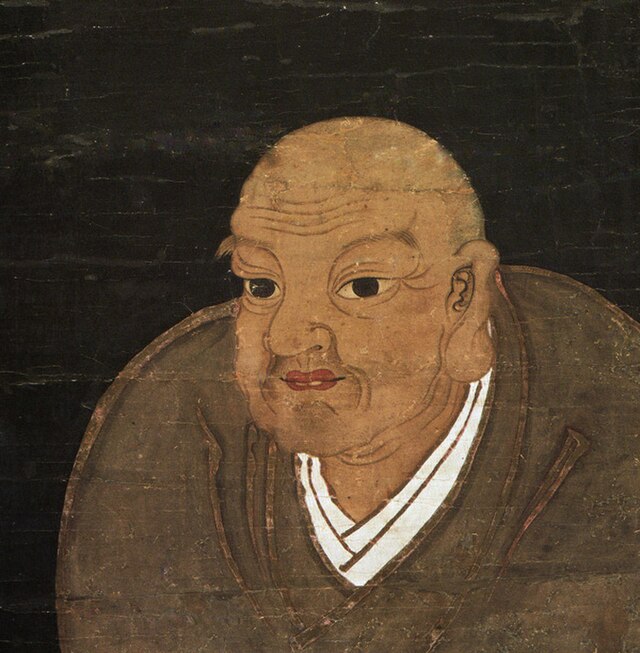
Following the Tiantai (Tendai) scholar Zhiyi, Nichiren holds that Shakyamuni Buddha taught different doctrines at different stages of his ministry, accommodating the capacity of his various audiences. The earliest teachings — Hinayana doctrines of personal salvation — were appropriate for those not yet ready to receive the Mahayana teaching. The middle teachings — provisional Mahayana sutras — advanced the teaching further. But the Lotus Sutra, taught in the last period of the Buddha's life, is the final and complete revelation that supersedes all the provisional teachings. The key insight of the Lotus Sutra is universal Buddhahood: every living being has the Buddha nature and is capable of attaining Buddhahood in this very life, in this very body.
The Error of the Rival Schools
The rival Buddhist schools of Nichiren's Japan — Pure Land, Shingon, Zen — make the philosophical error, in Nichiren's analysis, of treating provisional teachings as final. The Pure Land school focuses on the Amitabha Buddha and the practice of nenbutsu (chanting Amida's name) rather than on the universal Buddha nature taught in the Lotus. Zen relies on personal transmission and seated meditation while bypassing the scriptural foundation. Shingon uses esoteric rituals drawn from teachings that the Lotus itself supersedes. All of these schools mistake a partial teaching for the whole, and in doing so deny the fundamental Buddhist principle of universal Buddhahood.
The Object of Devotion
Nichiren's positive doctrine of the supreme teaching is centred on the Gohonzon — the object of devotion — and the daimoku, the chanting of Nam-myoho-renge-kyo (Homage to the Lotus Sutra). By chanting the title of the Lotus Sutra with sincere faith, practitioners directly access the Dharma nature — the fundamental Buddha wisdom — that the Lotus itself teaches. This practice is not a provisional expedient but the direct expression of the highest teaching, adapted for the Latter Day of the Law (mappo) when the capacities of practitioners are diminished and direct transmission of the complete Dharma is most urgently needed.
Nichiren's analysis of the supremacy of the Lotus Sutra draws on the Tiantai (Tendai) tradition he studied at Mount Hiei, but departs from it in key respects: where Tendai synthesised the various Buddhist schools, Nichiren rejected the rival teachings as errors that actively harmed practitioners and the nation. The most systematic presentation is in the Kanjin no Honzon Sho (1273).
Related Concepts