The Conventional View of Desire
Buddhist teaching from its earliest formulations has identified desire (tanha) as the cause of suffering. The Second Noble Truth holds that suffering arises from craving — for pleasure, for existence, for non-existence. The path to liberation involves the extinguishing of these cravings through ethical discipline, mental cultivation, and insight into the impermanence and selflessness of all phenomena. On this reading, enlightenment is achieved by getting rid of earthly desires, not through them.
The Lotus Sutra's Non-Dualism
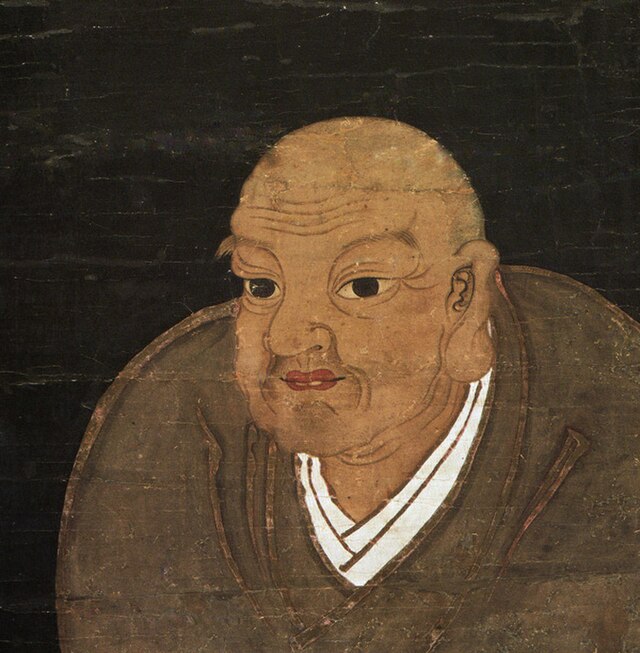
Nichiren, following the non-dualist teaching of the Lotus Sutra and the Tiantai analysis of ichinen sanzen, argues that this dualistic view — desires here, enlightenment there — misunderstands the nature of both. The three thousand realms in a single moment of life include both the realm of hell (the embodiment of fundamental desire and suffering) and the realm of Buddhahood. These are not two separate things but two dimensions of the same fundamental life-force. The attempt to eliminate desire by suppressing or transcending ordinary human experience is not Buddhahood but a kind of spiritual bypass.
The Transformation of Desire
The correct relationship to earthly desires, for Nichiren, is not elimination but transformation. Through the practice of chanting Nam-myoho-renge-kyo, the energy that drives earthly desires — the fundamental life-force that seeks satisfaction and fulfilment — is not extinguished but directed toward its deepest object: the expression of the Buddha nature within. The grief of the bereaved becomes the material of compassion; the ambition of the competitor becomes the drive to contribute to society; the anger of the oppressed becomes the force of shakubuku, the refutation of error. Earthly desires, taken up and transformed through practice, become enlightenment itself.
The principle "earthly desires are enlightenment" (bonnō soku bodai) is expressed throughout the Gosho letters, particularly "On Attaining Buddhahood in This Lifetime" and "The Heritage of the Ultimate Law of Life." It draws on the broader Tiantai and Mahayana non-dualist tradition while being given a distinctively practical and activist emphasis in Nichiren's teaching.
Related Concepts