Faith Without Charity Is Dead
Swedenborg's critique is not that faith is unimportant but that faith, properly understood, is the vehicle through which charity enters the life rather than a substitute for it. Saving faith is not intellectual assent to doctrine but the living reception of divine truth into a will that is oriented toward love. Such a will inevitably produces charity — active good to the neighbour — as naturally as a healthy tree produces fruit. A faith that claims to justify without producing charity is, in Swedenborg's account, not faith but mere belief — and mere belief is powerless.
This critique has political as well as theological dimensions. Swedenborg argues that the spread of justification-by-faith-alone doctrine had corrupted the moral life of European Christianity by implying that internal conviction was sufficient regardless of external conduct. The result, he contends, was a Christianity that licensed practical selfishness while maintaining doctrinal correctness — exactly the inversion of genuine Christian life.
The New Church
True Christian Religion was written as the foundation of what Swedenborg called the New Jerusalem — the spiritual dispensation inaugurated by the Last Judgment he claimed to have witnessed in the spiritual world in 1757. This new church would be defined not by external denomination but by the inner union of charity and faith: genuine love of God and neighbour, informed by the restored understanding of spiritual truth that his writings provided. Whether an institution could embody this vision was, for Swedenborg, an open question he did not live to see answered.
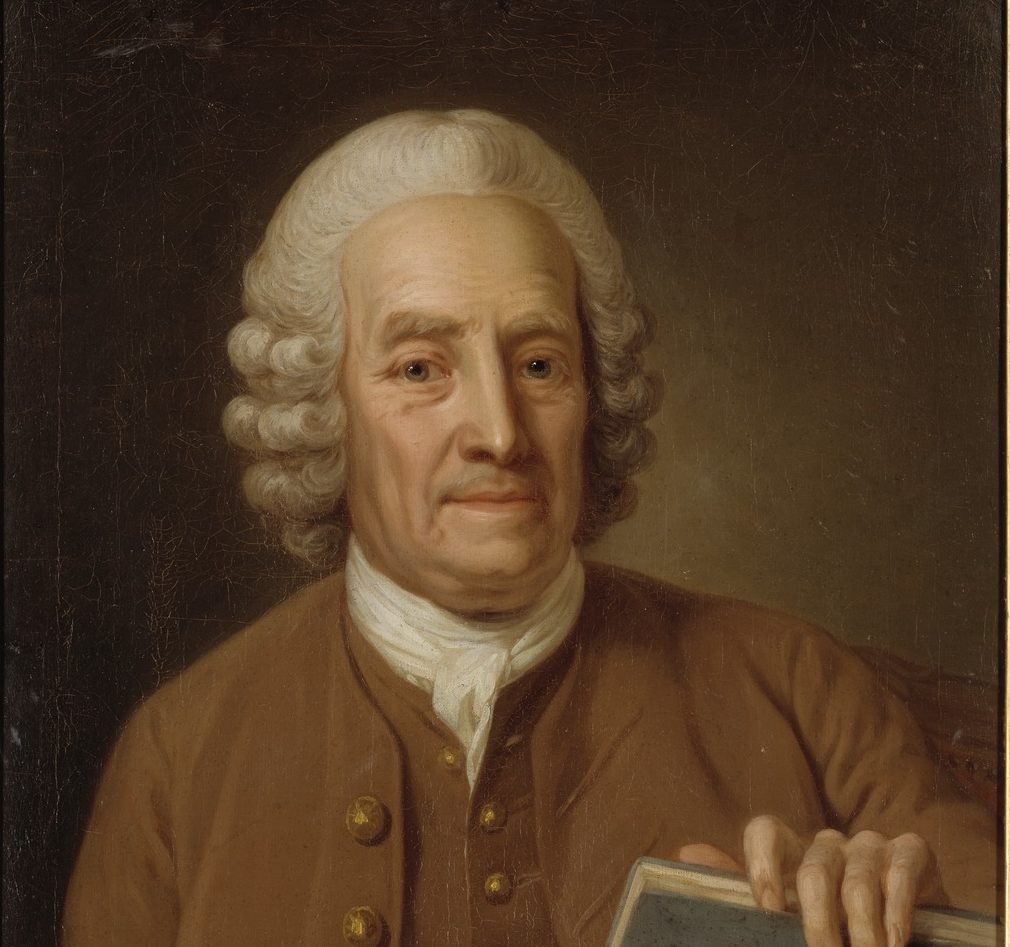
True Christian Religion was Swedenborg's last work, published in Amsterdam in 1771, the year before his death. His followers founded the New Jerusalem Church (Swedenborgian) in London in 1787 and subsequently in North America. The denomination remains small but has exercised considerable influence on Western esotericism and liberal theology.
Related Concepts