The Making of a Bandit
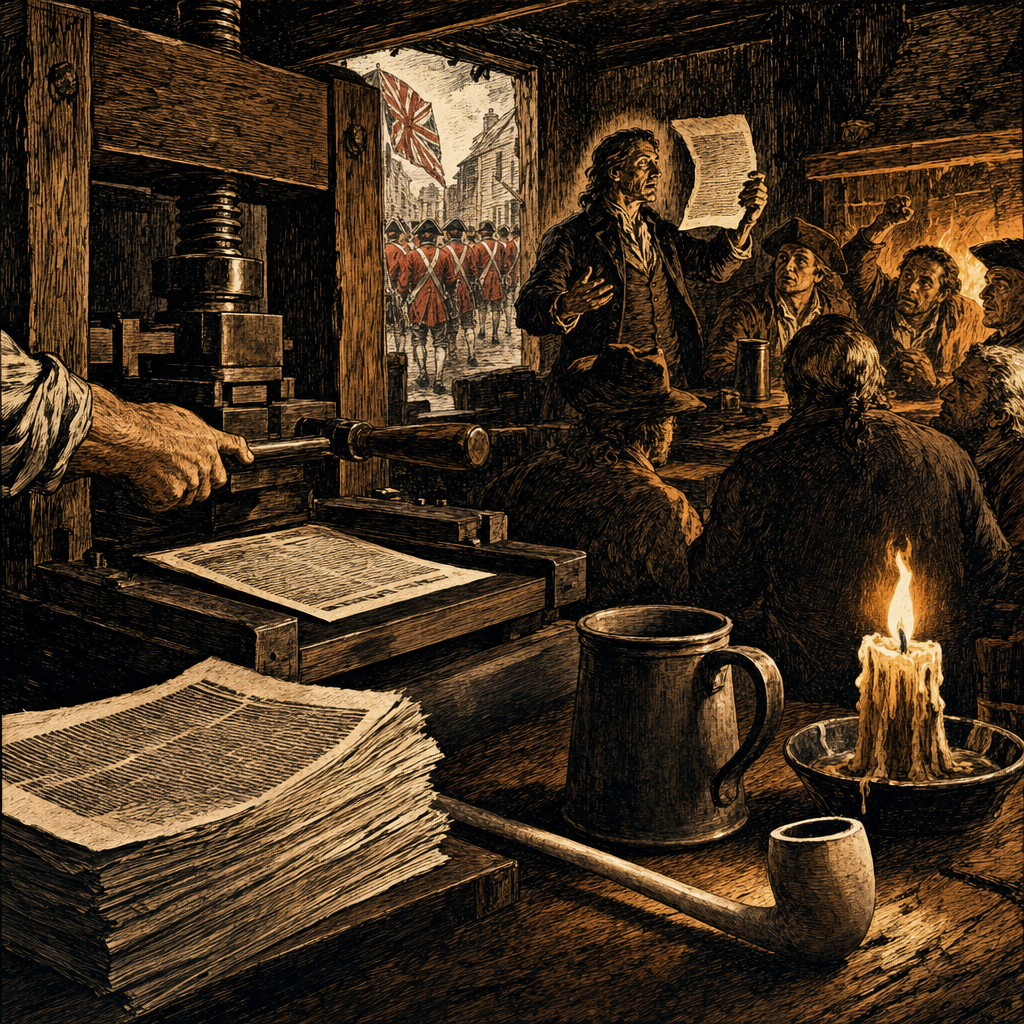
The friars raise the rent on land Tales cleared with his family’s blood; when he resists, they go to law. Rizal narrates the lawsuit as a machine with only one possible output: the peasant’s ruin. Yet Tales fights it to the end, mortgaging everything on the premise that justice exists.
There was then seen a struggle such as was never before carried on under the skies of the Philippines: that of a poor Indian, ignorant and friendless, confiding in the justness and righteousness of his cause, fighting against a powerful corporation before which Justice bowed her head, while the judges let fall the scales and surrendered the sword.
The Clay Jar and the Iron Pot
Rizal reaches for a proverb: the clay jar that defies the iron pot smashes itself — and yet, he adds, there is something sublime in the smashing. The sublimity of desperation is a precise moral observation: when a man with nothing left stakes himself entirely, his defeat becomes a form of testimony that victory could never be.
Responsibility for the Outlaw
Tales robbed of his land becomes Matanglawin, the terror of the provinces; the novel is unflinching about the atrocities that follow. But it locates the origin of the banditry not in the bandit’s character but in the tribunal that surrendered its sword. Where courts will not do justice, Rizal argues, they do not abolish justice — they merely privatize it into vengeance. It is the Filibusterismo’s answer, in narrative form, to every regime that calls its victims criminals.
The lawsuit of Cabesang Tales is told in Chapter IV; his transformation into Matanglawin closes Chapter X and haunts the rest of the novel.
Related Concepts