A Country as a Patient
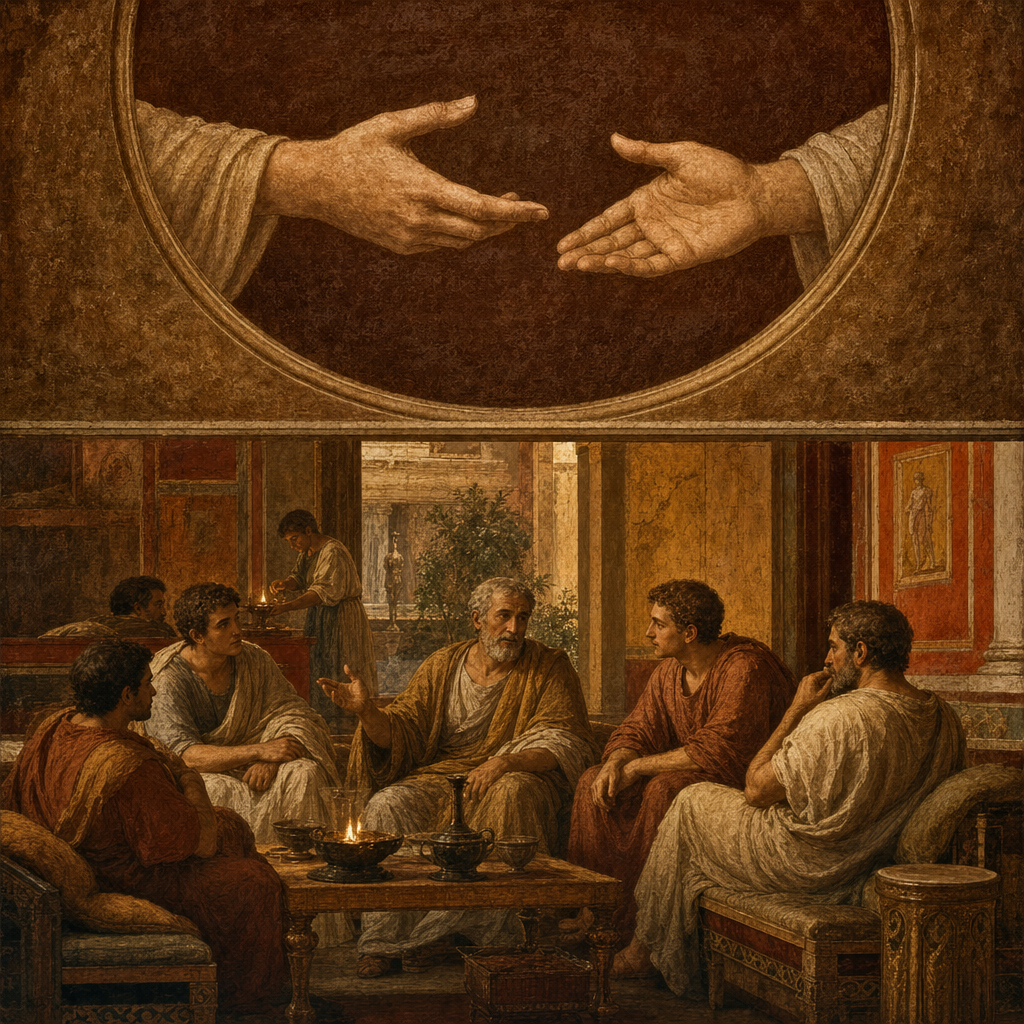
The metaphor organizes the whole book. Friar power, corrupt civil administration, a justice system that bows to wealth, and a population trained to venerate its own subjection are not separate abuses but symptoms of one malignancy. Rizal writes as an anatomist: chapter by chapter he exposes a different tissue — the dinner party, the town council, the sermon, the barracks — and shows the same disease at work in each.
Ibarra’s Awakening
Crisostomo Ibarra begins as the ideal colonial subject: educated in Europe, wealthy, convinced that patience and schools will cure everything. The novel is the record of his disillusionment. Persecuted, excommunicated, and finally hunted for a crime staged by his enemies, he arrives at the surgeon’s conclusion — the growth demands violent removal.
now I see the horrible cancer which feeds upon this society, which clutches its flesh, and which demands a violent rooting out
Diagnosis Without Prescription
Yet Rizal does not let Ibarra’s fury stand as the book’s answer: Elias, who has better reasons for hatred, argues restraint to the end. The novel closes with the disease untreated — Maria Clara entombed in the convent, Elias dead, Ibarra vanished. The diagnosis was the point: a people cannot begin to be cured until it recognizes that it is ill, and that the illness is not its nature.
Noli Me Tangere — “touch me not” — was published in Berlin in 1887; the cancer metaphor appears in Ibarra’s cry to Elias during the escape up the Pasig (Ch. LXI).
Related Concepts