The Vessels and the Light
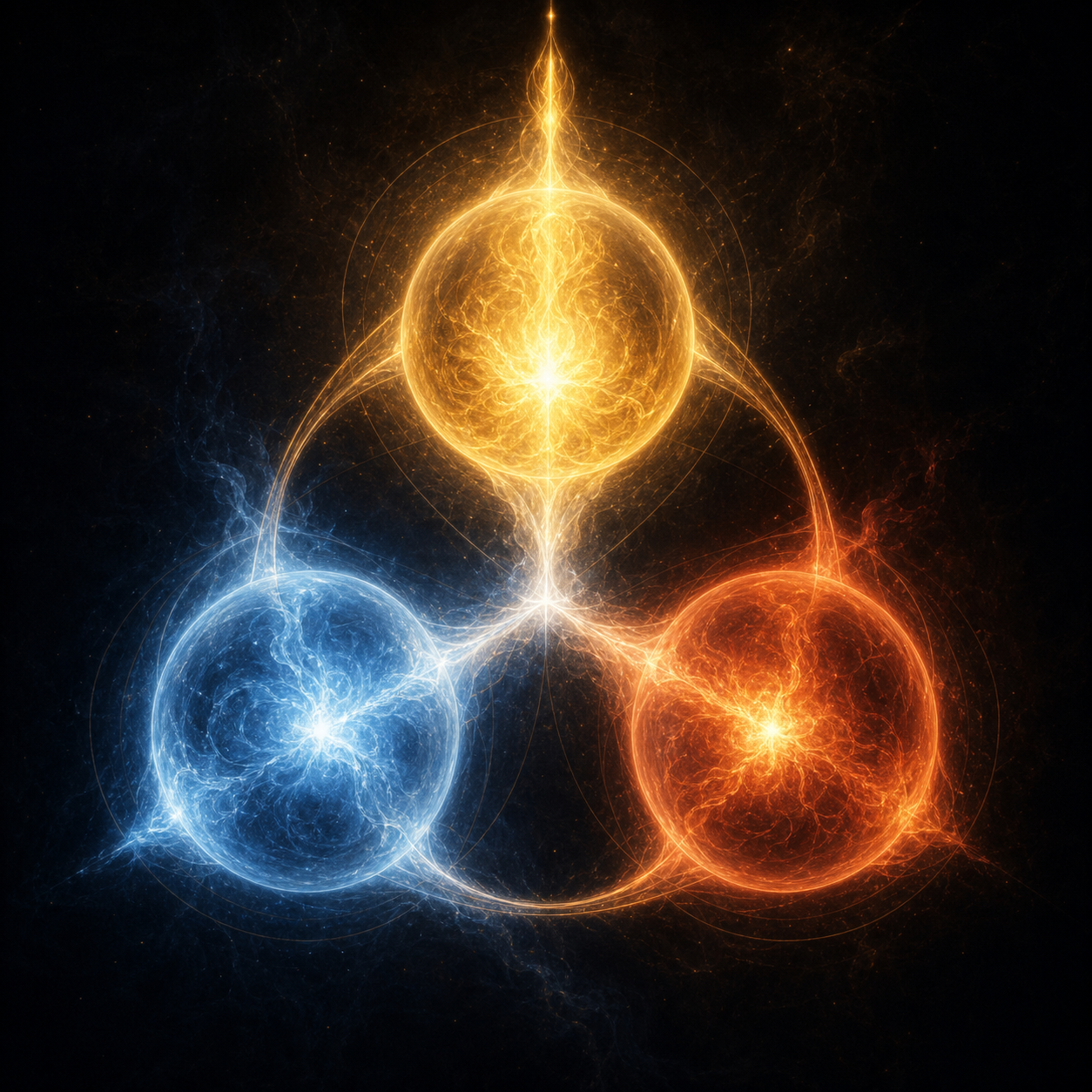
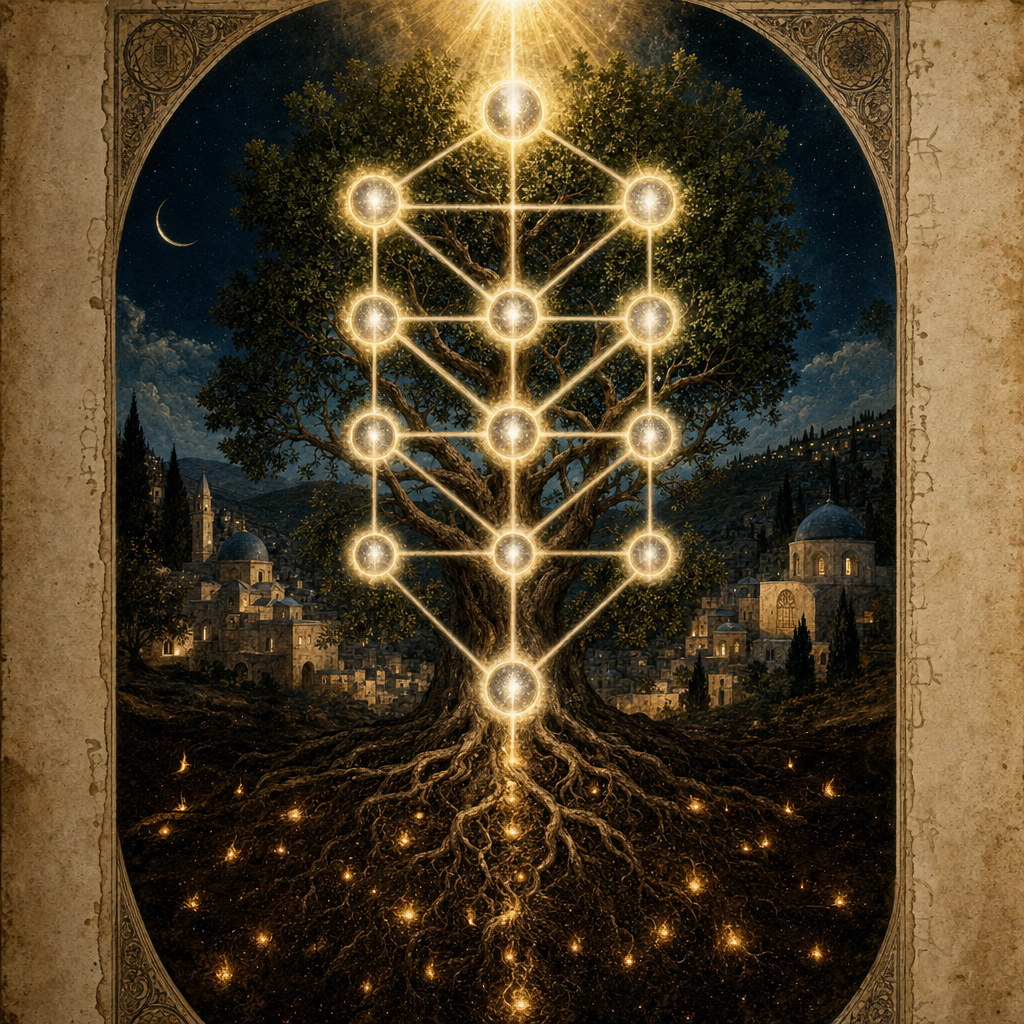
After the tzimtzum, God began the process of emanation by sending divine light (ohr ein sof — infinite light) into the primordial space through the kav. This light was to be contained in ten vessels (sefirot) — the fundamental divine attributes through which God relates to the world. But the vessels of the lower sefirot were too fragile to contain the intensity of the divine light, and they shattered. Seven of the ten vessels broke; their fragments fell downward, taking with them the divine sparks that had been embedded in the light they were supposed to contain.
The Sparks in the Shells
The fallen sparks became trapped within the kelipot — the shells or husks, the forces of impurity and evil. The kelipot are not independent evil powers but the fragments and inversions of the broken vessels — the empty forms from which the divine content has been dislodged. Every thing in the material world contains within it some divine sparks, more or less deeply buried in kelipot. The material world is thus simultaneously a place of divine exile (the sparks are estranged from their source) and a field of sacred potential (the sparks can be redeemed).
Why the Vessels Shattered
Luria's account of why the vessels shattered became a matter of intense theological debate. If God is omnipotent, why did he create vessels too fragile to contain his light? Luria's answer involves the concept of the "world of tohu" (chaos): the first emanation was constituted by ungoverned, disconnected sefirot, each unable to support the others. The shattering was not an accident but a structural feature of the first creation — it needed to fail so that a second creation (the "world of tikkun") could be structured with the sefirot properly interrelated and mutually sustaining.
Shevirat ha-kelim is described in the sections of Etz Chaim dealing with the world of tohu and the world of tikkun. The concept of the kelipot — the shells or husks — was present in earlier Kabbalah (notably in the Zohar) but was given its systematic cosmological role by Luria.
Related Concepts