Sensation and Its Causes
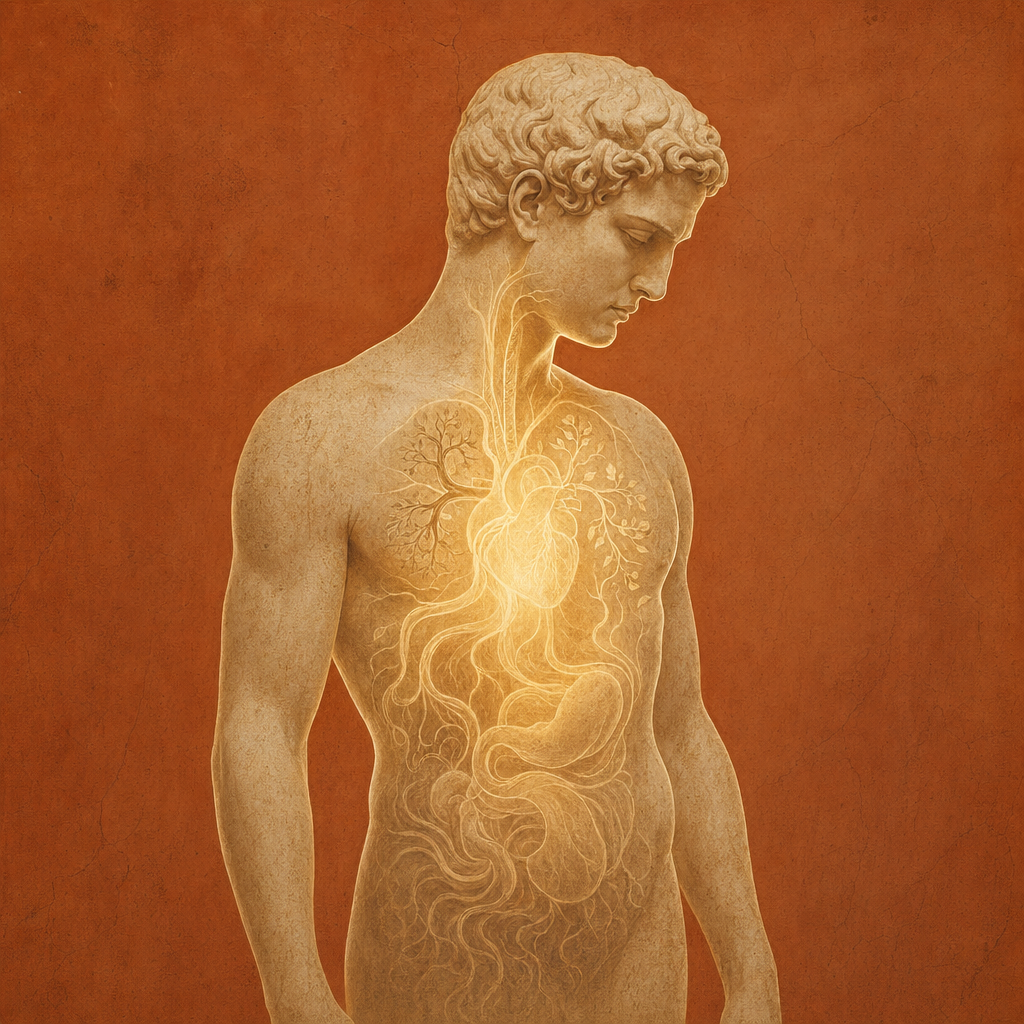
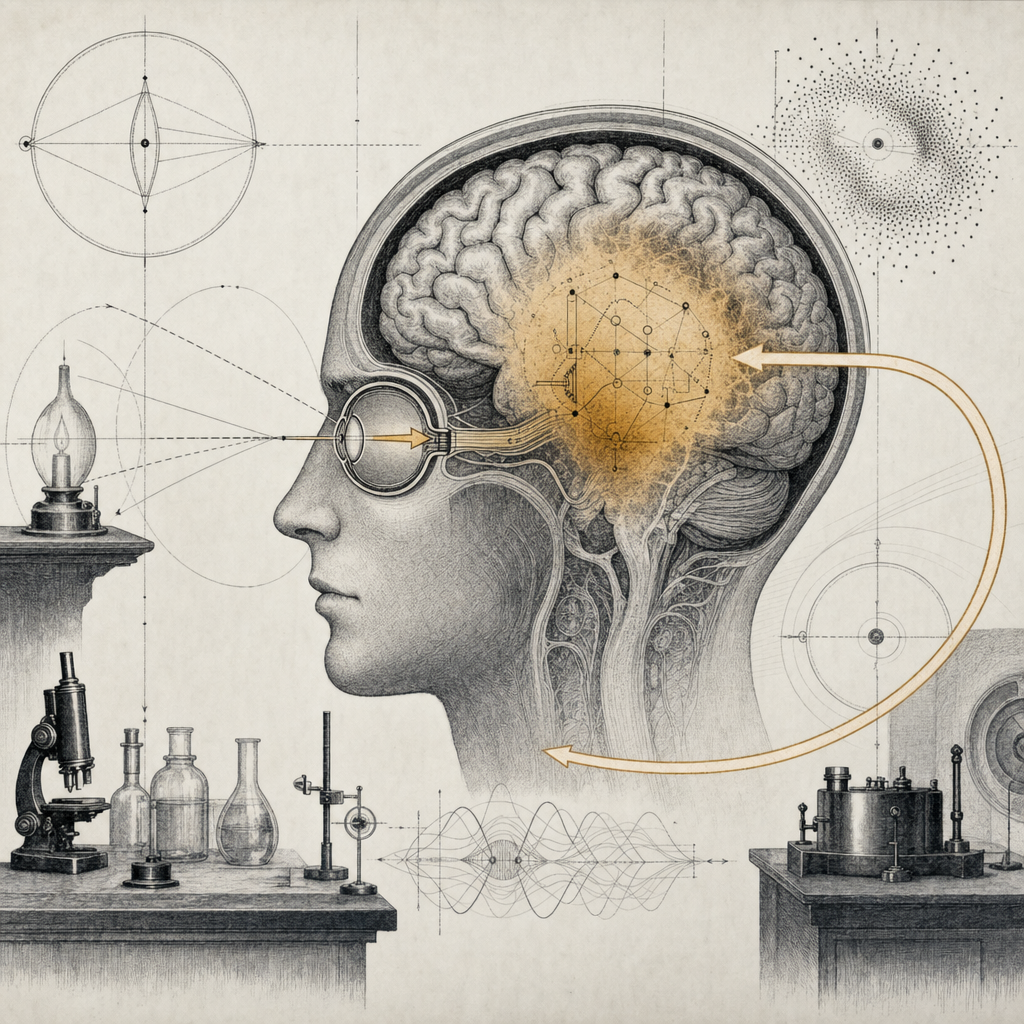
A sensation, for Russell, is a mental event caused by a physical stimulus acting on a sense organ. It is immediate, present, and causally linked to the external world in a specific way. But the content of a sensation — the patch of colour seen, the sound heard — is not itself physical: it is a mental particular, one of the neutral elements that can be grouped either physically or psychologically. What distinguishes sensation from other mental events is its causal history: it begins with the external world. This causal criterion, rather than any intrinsic phenomenal quality, is what marks it as perceptual.
Images as Pale Copies
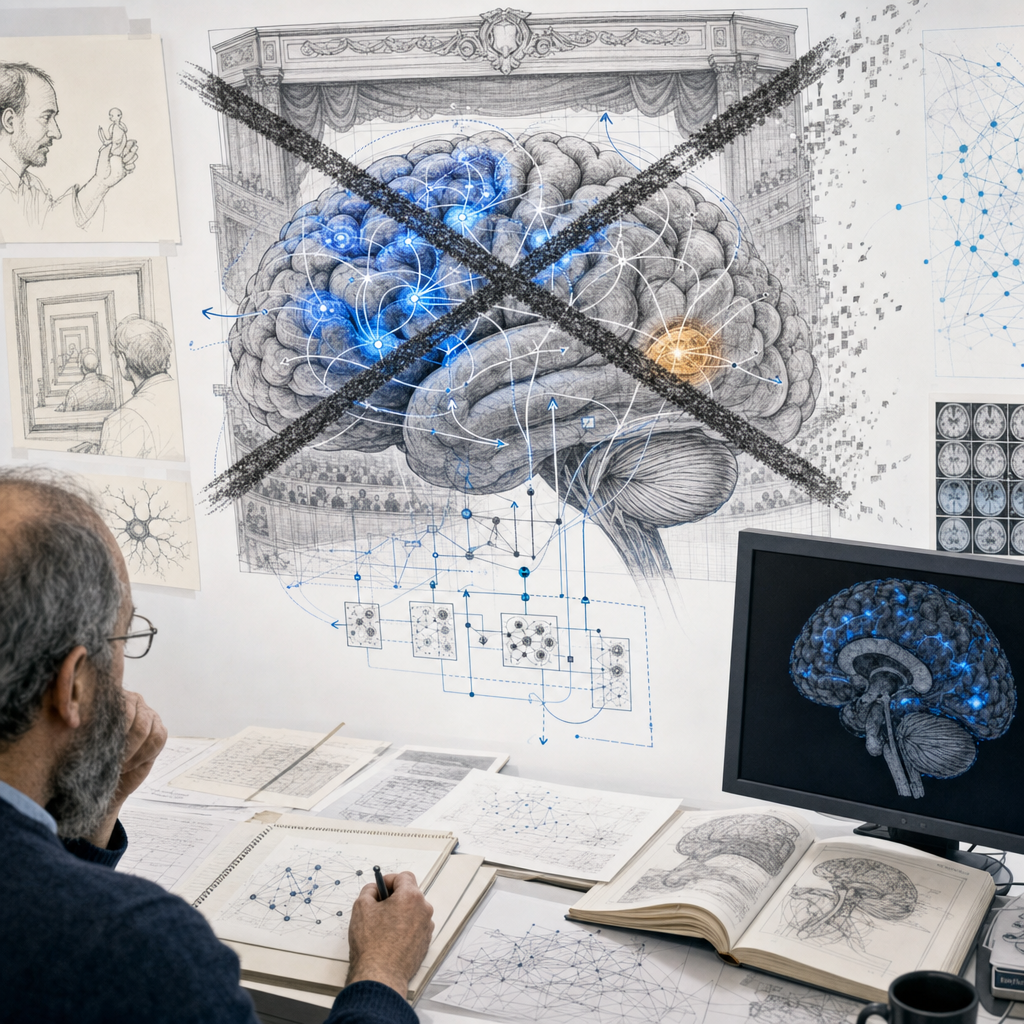
Images — mental pictures, auditory imaginings — resemble sensations but differ in being less vivid, less detailed, and causally independent of any current external stimulus. They arise from past sensations by way of a causal process Russell identifies, broadly, as habit or mnemic causation: the traces left by past experience that can be reactivated in the absence of the original stimulus. Images are central to thought, communication, and memory, but they are not transparent windows onto past events — they are reconstructions, subject to distortion, selective emphasis, and the influence of subsequent experience.
Memory and the Past
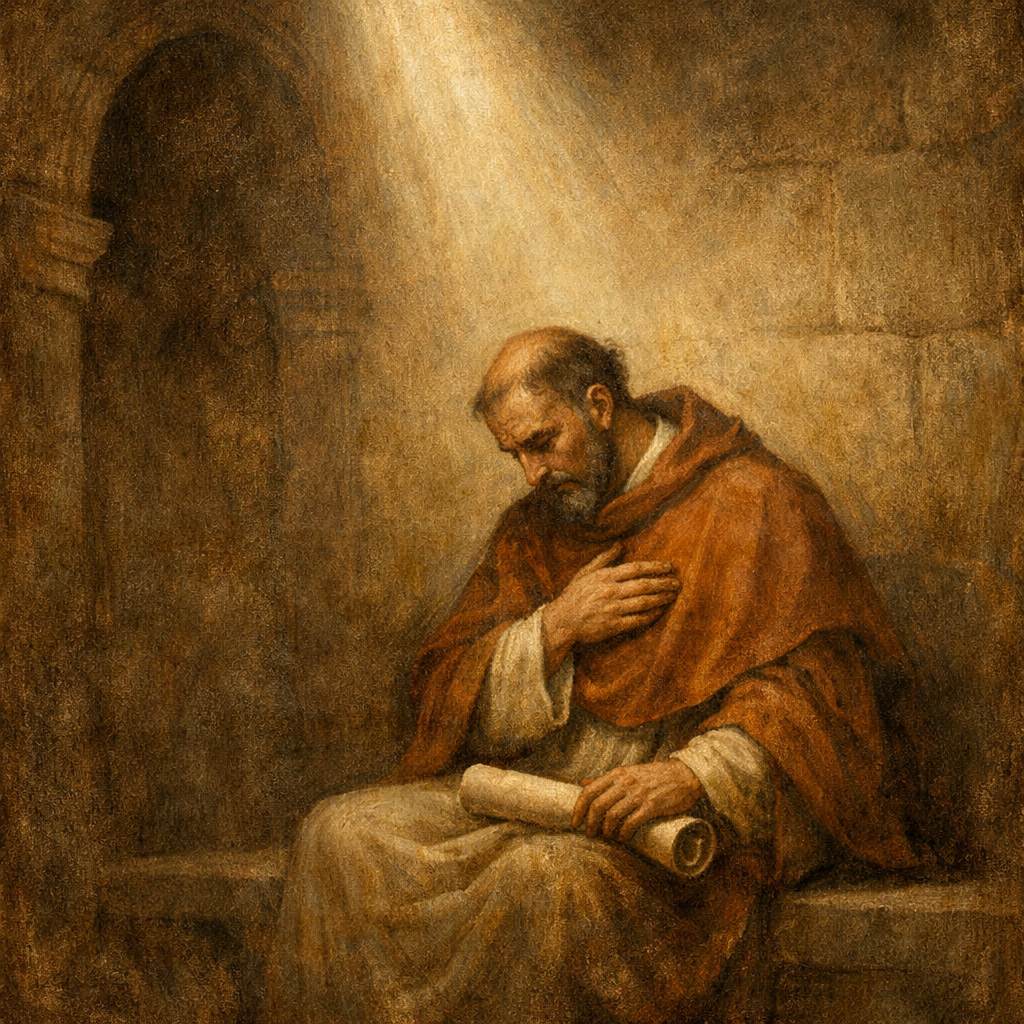
Memory poses a special puzzle: how can a present image refer to a past event? The image of yesterday's breakfast is not the same as yesterday's breakfast, yet the memory is memory of that event rather than of anything else. Russell analyses memory in terms of a feeling of familiarity combined with a belief that the image refers to a past experience — but he is candid that this analysis remains incomplete. What makes a present mental event a record of a specific past event rather than a mere image is deeply puzzling, and Russell acknowledges that no entirely satisfactory account exists.
Sensation, image, and memory are analysed in Chapters 7–9 of The Analysis of Mind (1921). The concept of "mnemic causation" — causation by past events acting on present states through the traces they leave — is developed in Chapter 4, where Russell credits Semon's Mneme (1904) as a source.
Related Concepts