The Scholarly Philosopher's Failure
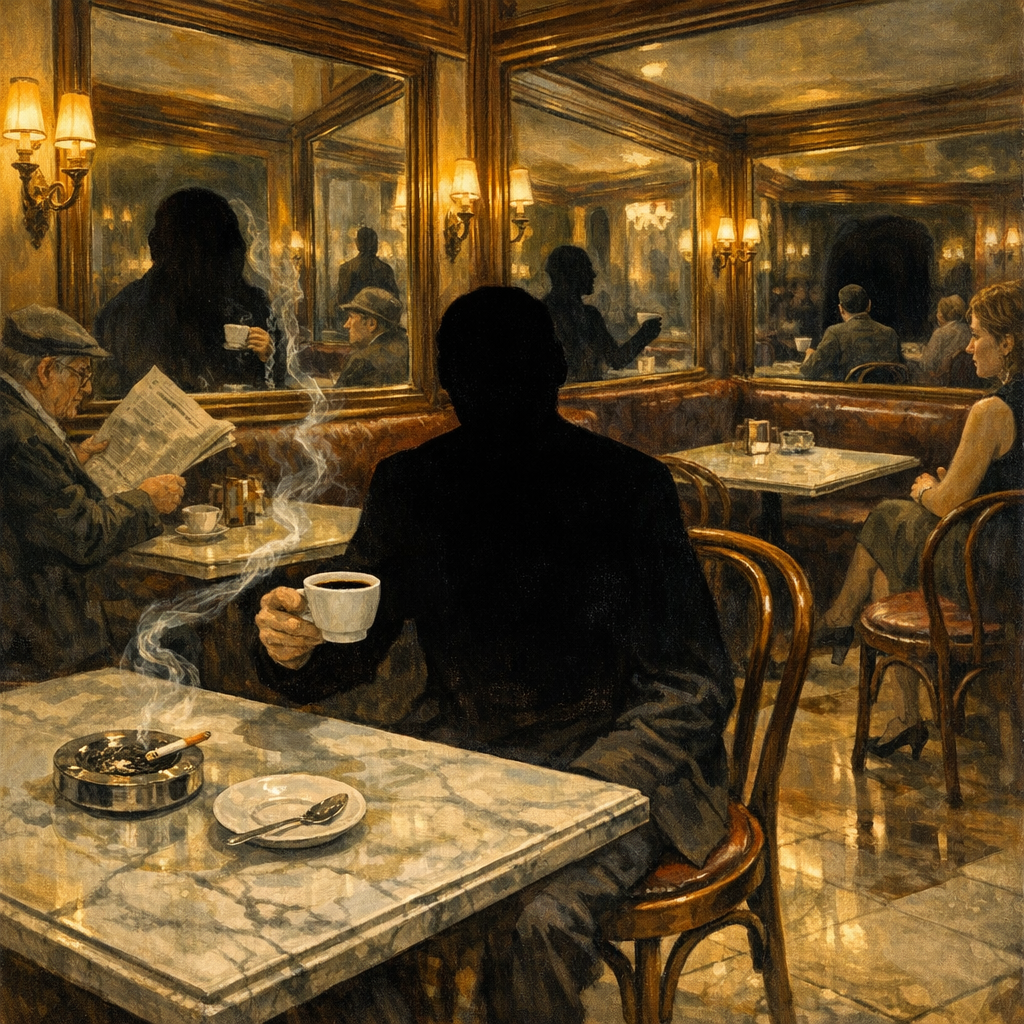
Most of what passes for philosophy, Nietzsche argues, is really scholarship dressed up as wisdom. The man of learning accumulates, systematises, and critiques — he is the historian of other people's ideas. This is not the same as the philosopher who legislates, who creates the conditions under which new values become possible. Scholars are instruments; philosophers of the future are commanders.
The Free Spirit as Preparation
Before the philosopher of the future can arrive, there must be a preparatory type: the free spirit. The free spirit has broken with the pieties of the age — democratic faith, Christian morality, the dogma of equality — not out of nihilism but out of intellectual honesty. This liberation is painful and dangerous, but it clears the ground for genuine creation.
they will be free, VERY free spirits, these philosophers of the future--as certainly also they will not be merely free spirits, but something more, higher, greater, and fundamentally different, which does not wish to be misunderstood and mistaken
Legislation and Transvaluation
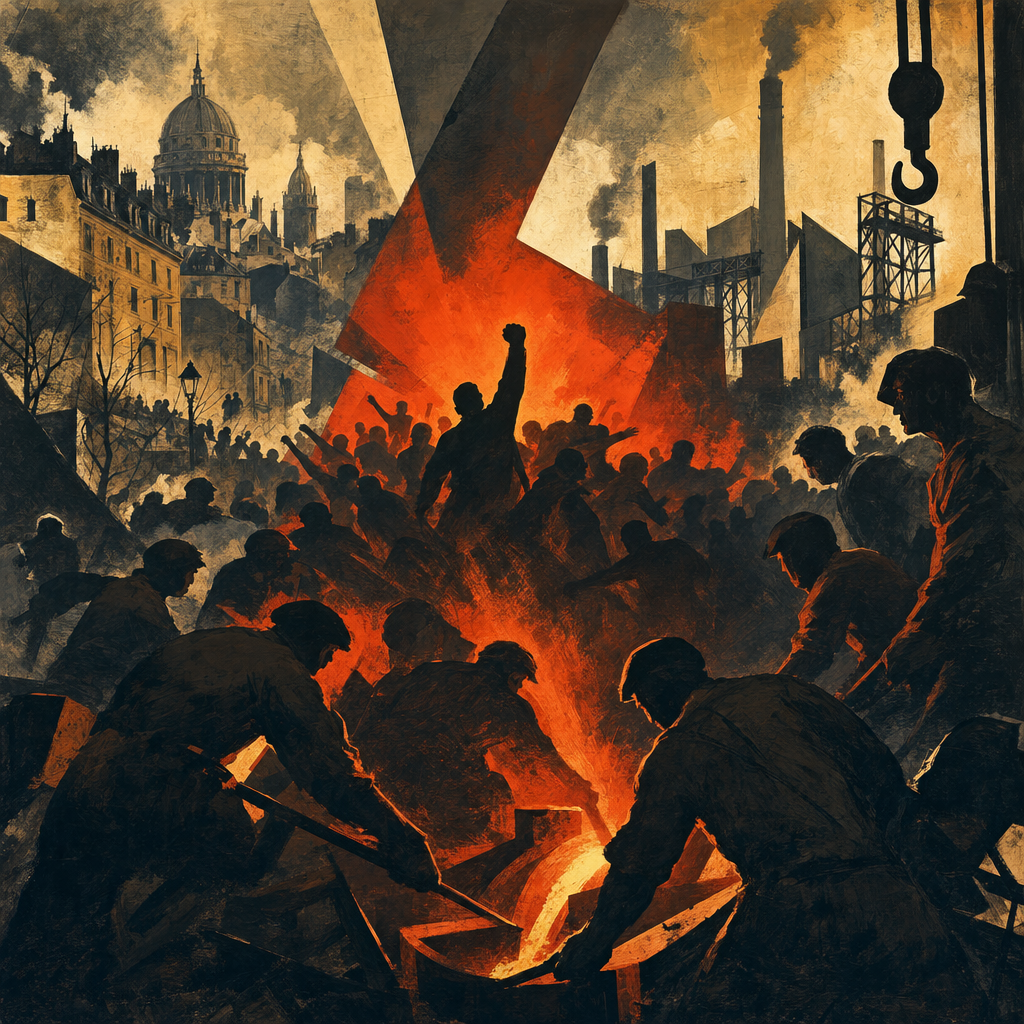
The ultimate task of the philosophers of the future is transvaluation: the reversal of the entire inherited table of values. Nietzsche is not asking for reform within the existing moral framework but for new legislators who create the framework itself. He calls for minds strong enough to initiate "opposite estimates of value" — not merely critics of the old order but founders of the new.
The concept of the philosopher of the future appears in Chapters II and V, and is closely connected to Nietzsche's later idea of the Übermensch — though in BGE the emphasis is on intellectual and philosophical creation rather than the more biological framing of Zarathustra.
Related Concepts