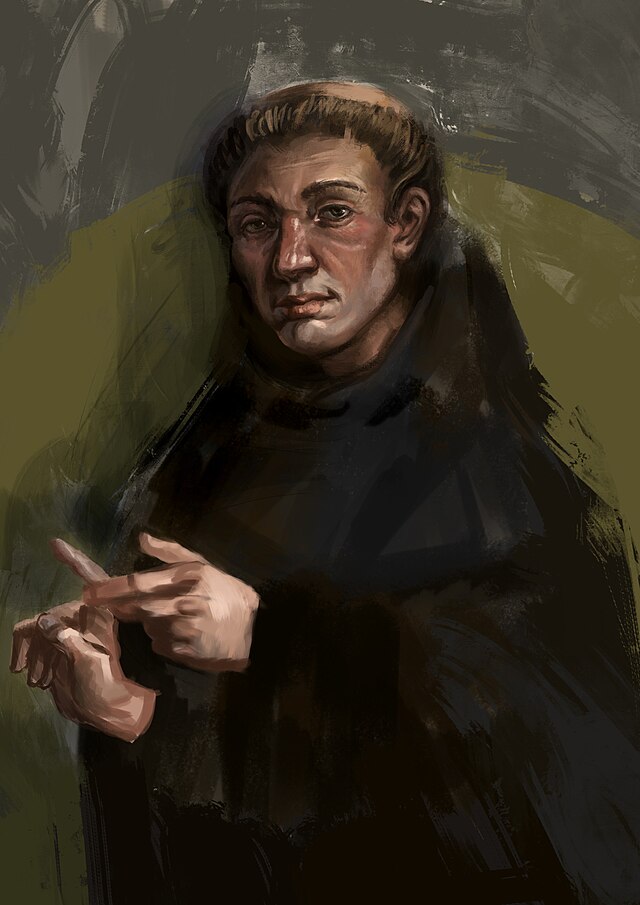
What Reason Cannot Prove
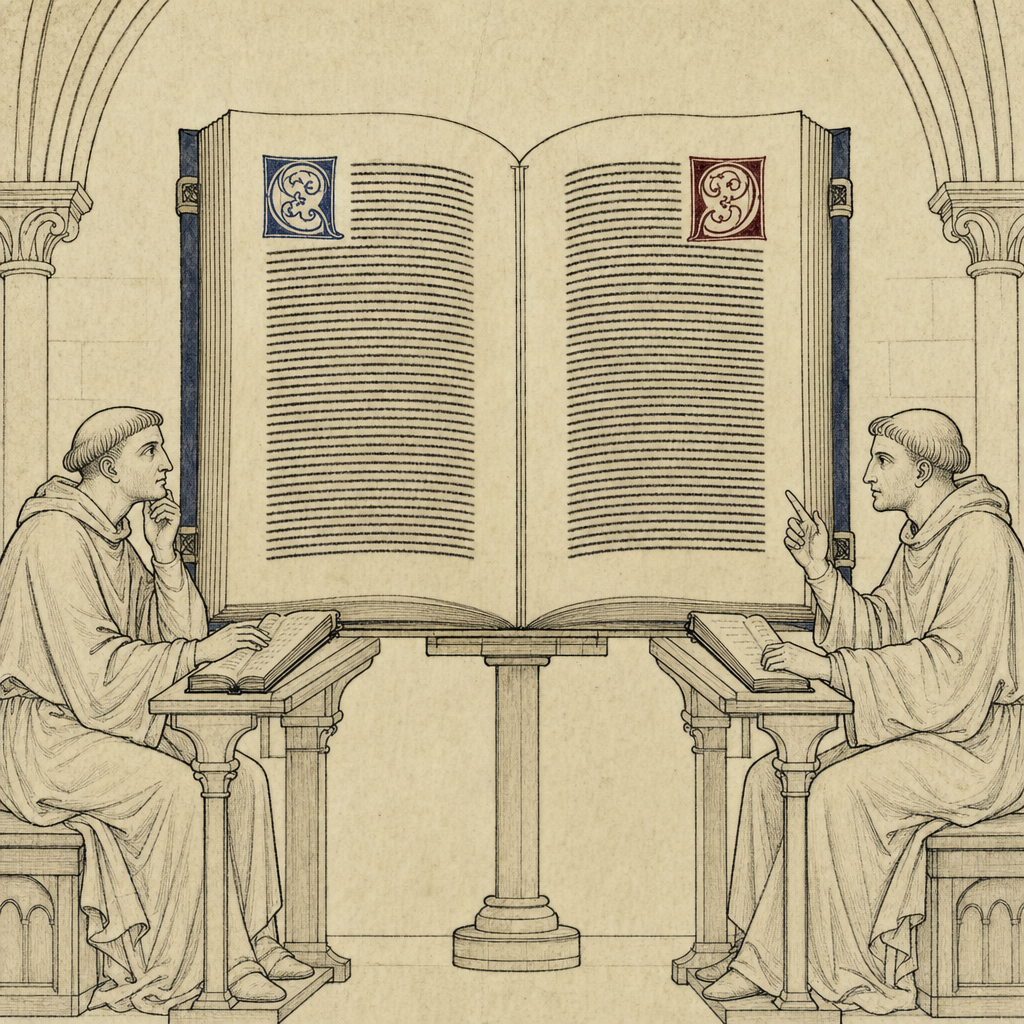
Ockham examines the standard arguments for central Christian doctrines and finds most of them rationally defective. The existence of God can be shown to be rationally plausible but cannot be demonstrated with the certainty of a logical proof. The immortality of the soul cannot be established by natural reason alone — it is a truth of faith, not of philosophy. The Trinity, the Incarnation, the Resurrection — these are not deductions from natural premises but articles of faith to be accepted because God has revealed them through scripture and the teaching authority of the Church. Reason is simply the wrong instrument for establishing them.
Theology as Practical, Not Scientific
Ockham challenges the Thomistic view of theology as a "science" (scientia) in the Aristotelian sense — a body of demonstrative knowledge derived from self-evident premises. Theology cannot be a science because its fundamental premises — the articles of faith — are not self-evident and cannot be demonstrated; they are accepted on authority. This does not make theology worthless: it is a supremely important body of practical guidance for how to live in order to achieve salvation. But it means that the project of building a rational theology continuous with natural philosophy is misconceived. Theology and philosophy must be kept distinct.
The Liberation of Philosophy
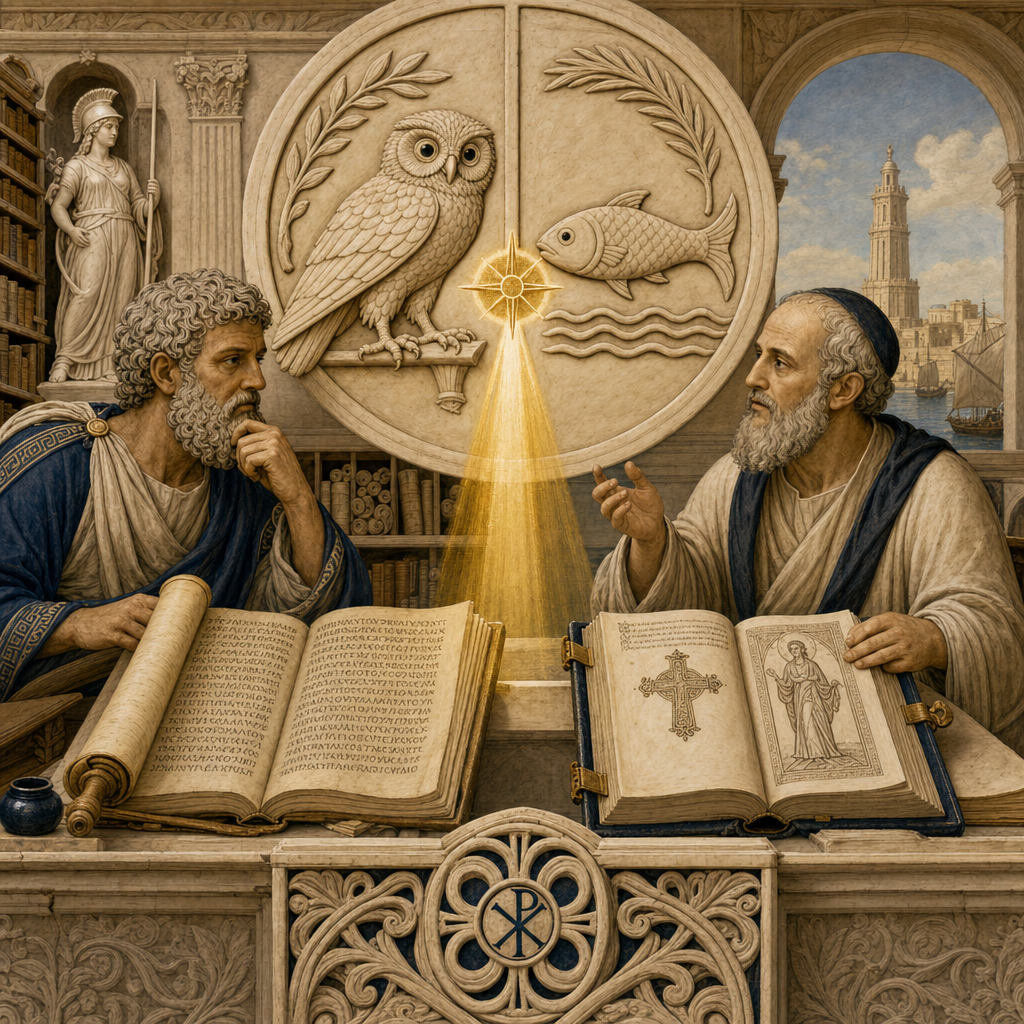
Paradoxically, Ockham's sharp separation of faith and reason, which seems to diminish reason's domain, actually expands it in another direction. Once philosophy is no longer required to serve as handmaid to theology — no longer obligated to produce conclusions compatible with Christian doctrine — it can inquire freely into natural phenomena without reference to supernatural principles. This proto-secular impulse in Ockham's thought is one reason he has been called, somewhat anachronistically, a precursor of modern empiricism and of the scientific revolution's methodological independence from theology.
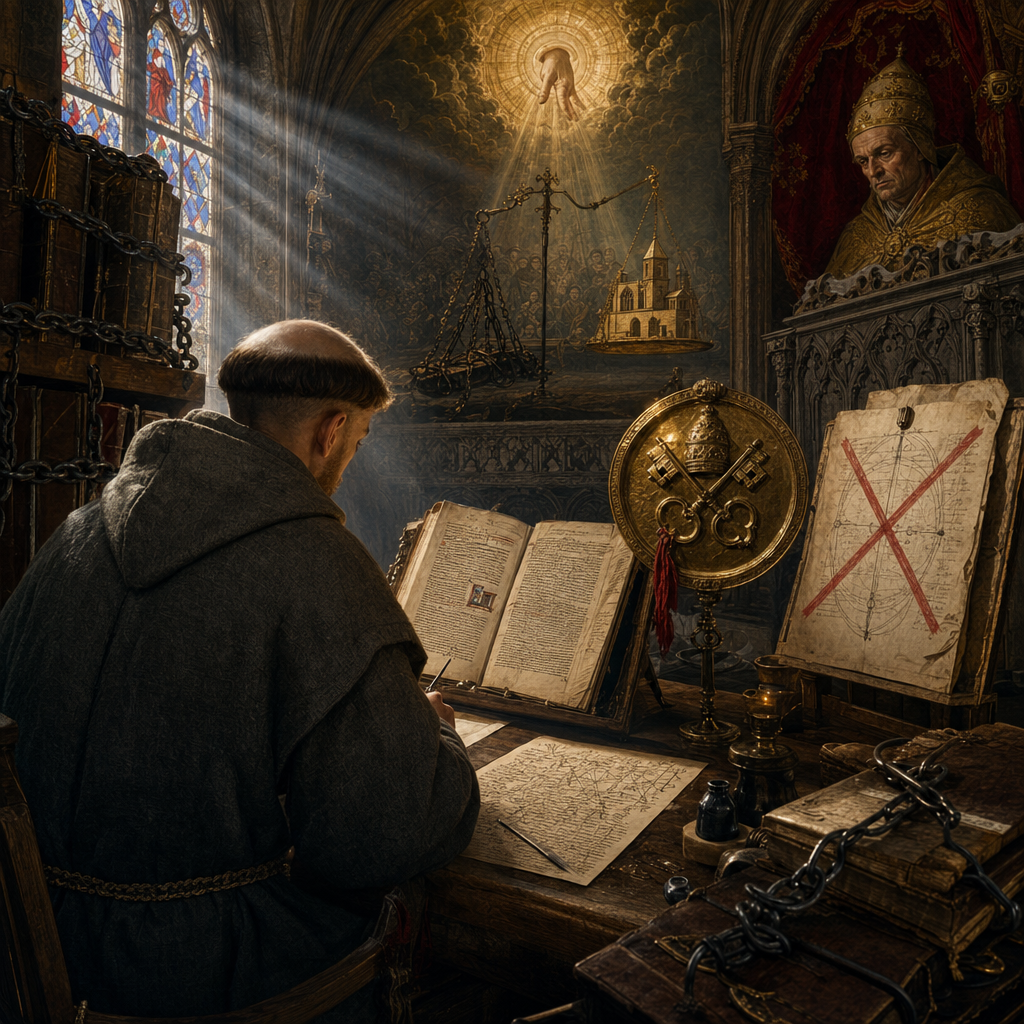
Ockham's insistence on the limits of natural theology was not an expression of scepticism about faith but of respect for it: what faith holds cannot be contaminated by the fallibility of rational argument, and what reason achieves cannot be secured by appealing to authority. The two domains are genuine and distinct. This position was later developed, in different directions, by Luther (sola scriptura) and by Hume (who turned the critique of natural theology into an argument against faith altogether).
Related Concepts