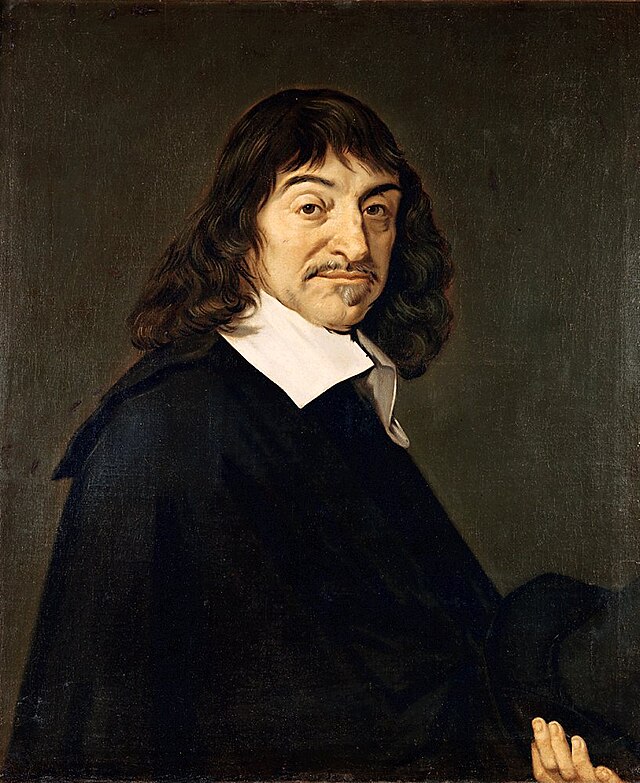
The Great Leveller
Good sense is, of all things among men, the most equally distributed; for every one thinks himself so abundantly provided with it, that those even who are the most difficult to satisfy in everything else, do not usually desire a greater measure of this quality than they already possess.
Descartes notes with dry wit that this universal self-attribution of good sense suggests how widespread it must be — no one complains of a shortage. But his deeper point is serious: the capacity for rational judgment is not a privilege of birth, rank, or scholarly training. It is a faculty shared equally by all human beings. If people reach false conclusions, the fault lies not in an inequality of natural intelligence but in the method — the route — by which they have directed their reason.
Method over Talent
This equality of native reason is what makes a universal method both possible and necessary. If reason were unequally distributed — a gift granted in different measure to different people — then authority, tradition, and deference to the learned would be the right approach to knowledge. But if all possess it equally, then what matters is not who you are but how you proceed. The right method, consistently applied, will yield truth; the wrong method, no matter how talented the person applying it, will yield error.
Descartes is writing autobiographically — the Discourse is not a treatise but a narrative of his own intellectual development. He does not set out his method as a prescription to be followed but as a description of what he found worked for him. Yet the implication is universal: if his method works, it works because it aligns with the nature of reason itself, which is the same in all. The personal form is a rhetorical choice, not a retreat from universalism.
Against the Schools
The democratic premise has a polemical edge. The learning of the schools — the elaborate systems of scholastic philosophy, the reverence for ancient authorities, the disputational culture of university — has produced, in Descartes' judgment, confusion rather than knowledge. It is not that his teachers were less gifted; they were led astray by a bad method. The Discourse implicitly argues that a person who clears their mind of received opinions and follows the rules of method honestly will do better than any number of learned men disputing in Latin.
The opening passage of Part I of the Discourse on the Method, from which this concept takes its central claim, is among the most cited in the history of philosophy. Descartes' autobiographical form — describing his own intellectual journey — was unusual for philosophical writing of the period.
Related Concepts