Discipline as the Highest Virtue
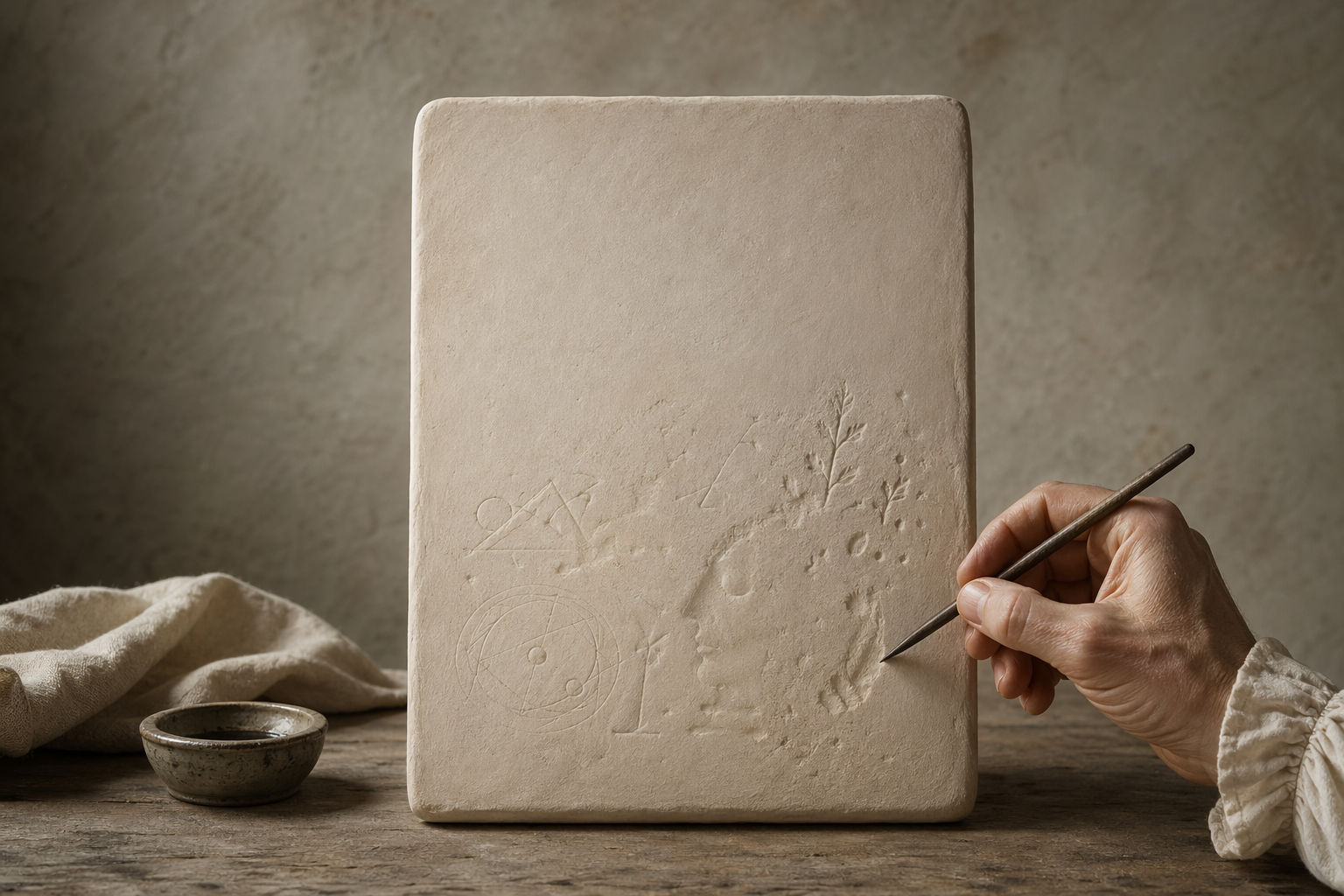
Kant argues that pure reason stands in particular need of discipline — a negative education in what it must not attempt. Mathematics is not a model for philosophy to imitate, because mathematics constructs its concepts in pure intuition and can thereby yield synthetic a priori knowledge. Philosophy must reason from concepts alone, without the support of intuition, and is therefore always at risk of mistaking mere verbal manipulation for genuine insight.
Reason, when employed in the field of experience, does not stand in need of criticism, because its principles are subjected to the continual test of empirical observations.
Mathematics vs Philosophy
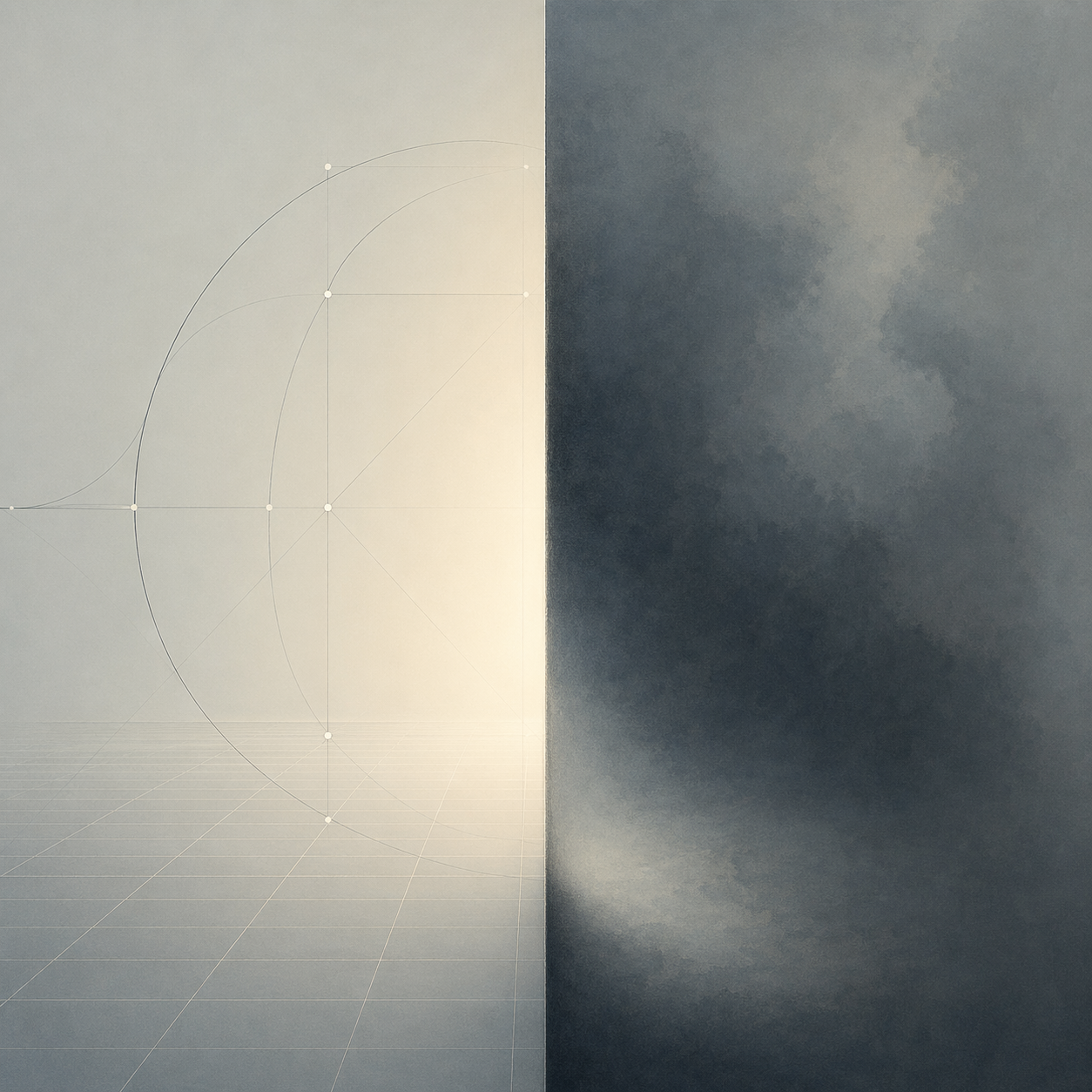
Philosophical cognition is the cognition of reason by means of conceptions; mathematical cognition is cognition by means of the construction of conceptions.
This distinction is fundamental for Kant. Mathematics can construct its objects — the geometer draws a triangle and reasons about it with certainty because the triangle is a product of pure intuition. The philosopher cannot draw God, or freedom, or the soul — these concepts have no corresponding intuition, and every attempt to reason about them as though they were available for inspection produces the kind of illusion the antinomies expose.
A Canon for Pure Reason
Within these limits, Kant identifies a legitimate role for pure reason: not theoretical knowledge of what lies beyond experience, but the practical orientation of our lives. The ideas of God, freedom, and immortality cannot be theoretically known — but they are postulates of pure practical reason, required by the moral law that is binding on us regardless of what can be theoretically established. The Critique does not destroy metaphysics; it relocates it — from speculative theory to practical necessity. This transition from the first Critique to the Groundwork and the Critique of Practical Reason is the architecture of Kant's entire critical project.
The Transcendental Doctrine of Method forms the final quarter of the Critique of Pure Reason. The distinction between the mathematical and philosophical method in the first section provides the background for Kant's later works in practical philosophy, particularly the Groundwork and the Critique of Practical Reason.
Related Concepts