Not Derived from Experience
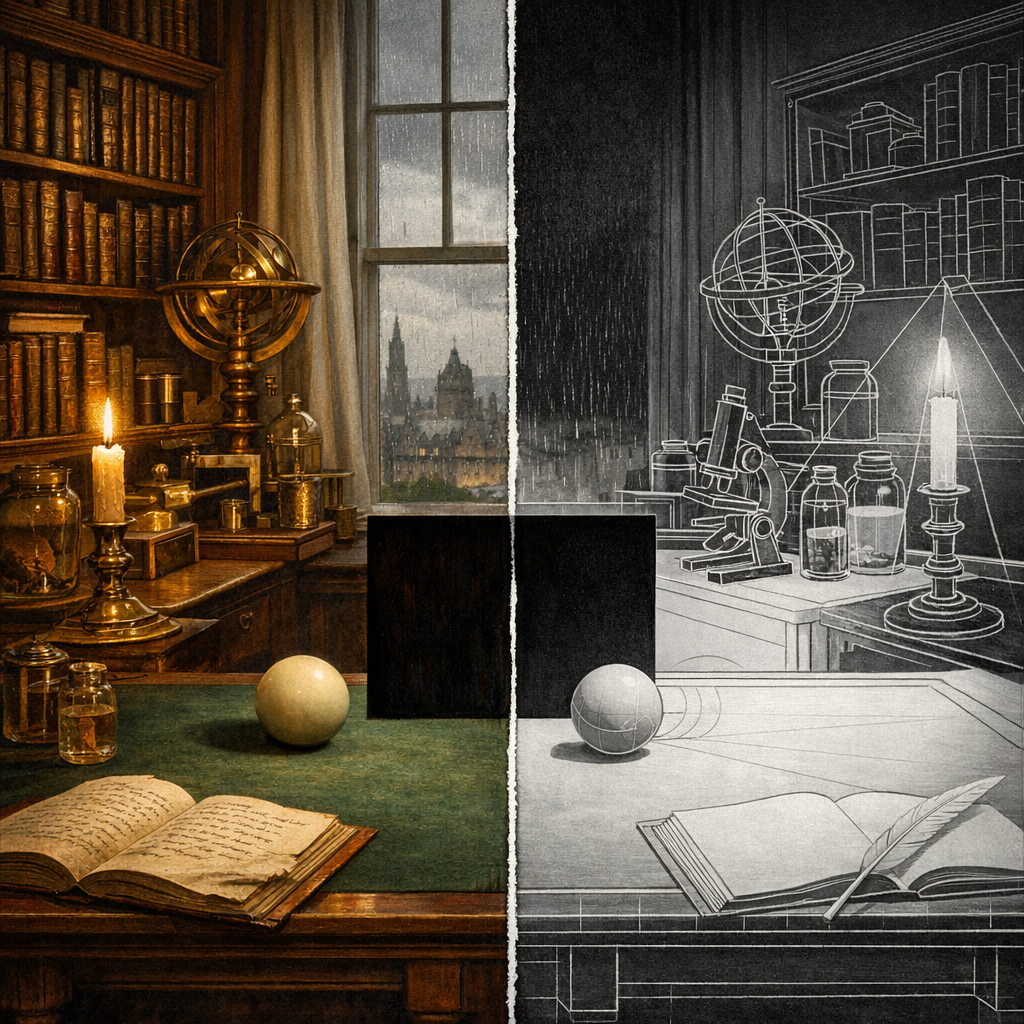
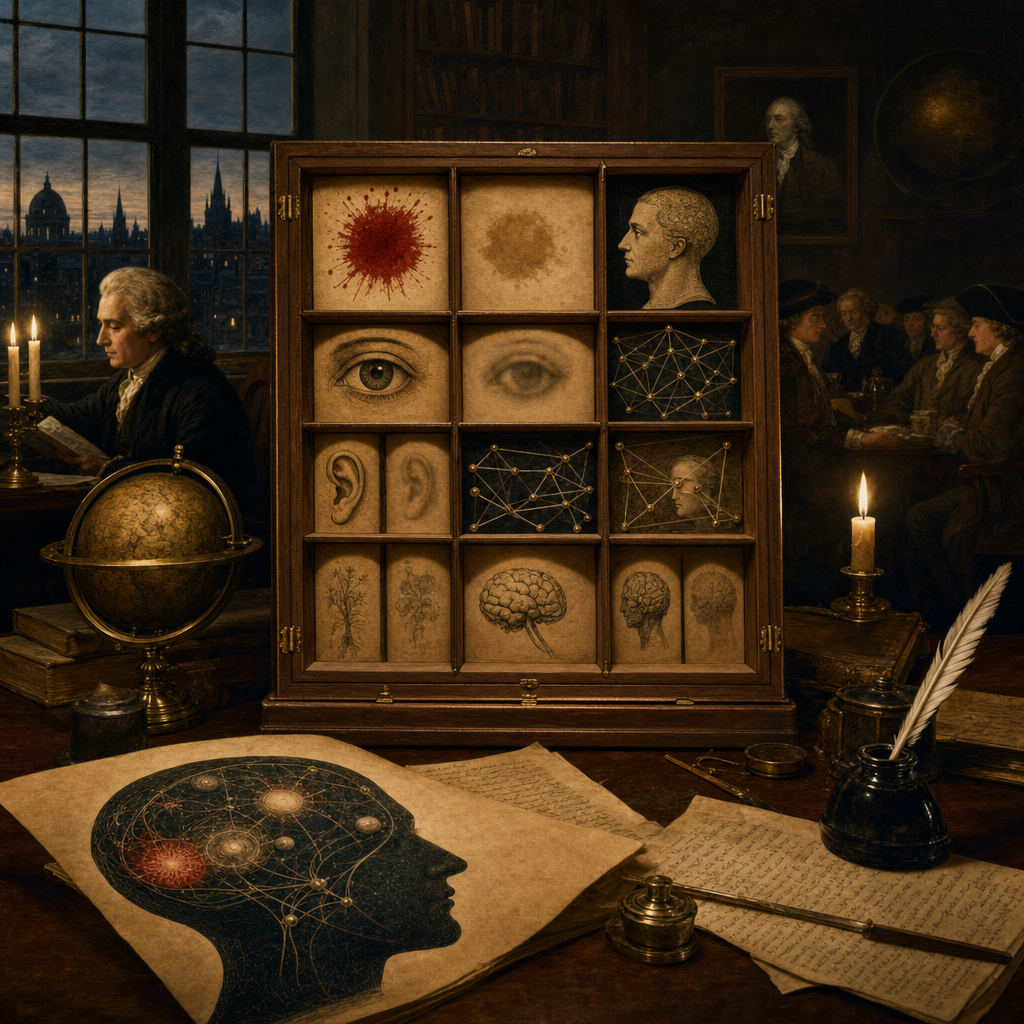
The commonsense view is that we learn about space by experiencing objects as extended and separated from each other; we learn about time by noticing that events occur before and after one another. Kant denies this. If space were derived from experience, we would need to represent objects as spatially arranged before we could have any experience of them at all — space is already assumed in the act of perceiving anything as outside us. Space and time are not conclusions drawn from experience; they are the preconditions that make experience possible.
Space is not a conception which has been derived from outward experiences.
A Priori Forms of Intuition
Space and time are, Kant argues, pure forms of sensible intuition — structures that the mind brings to experience rather than extracting from it. This gives them a peculiar status. They are not concepts formed by abstracting common features from many instances; they are singular and prior to all instances. We cannot represent the absence of space — we can represent empty space, but we cannot conceive of a world with no spatial framework at all. The same holds for time.
Space then is a necessary representation à priori, which serves for the foundation of all external intuitions.
The Price: Phenomena and Things-in-Themselves
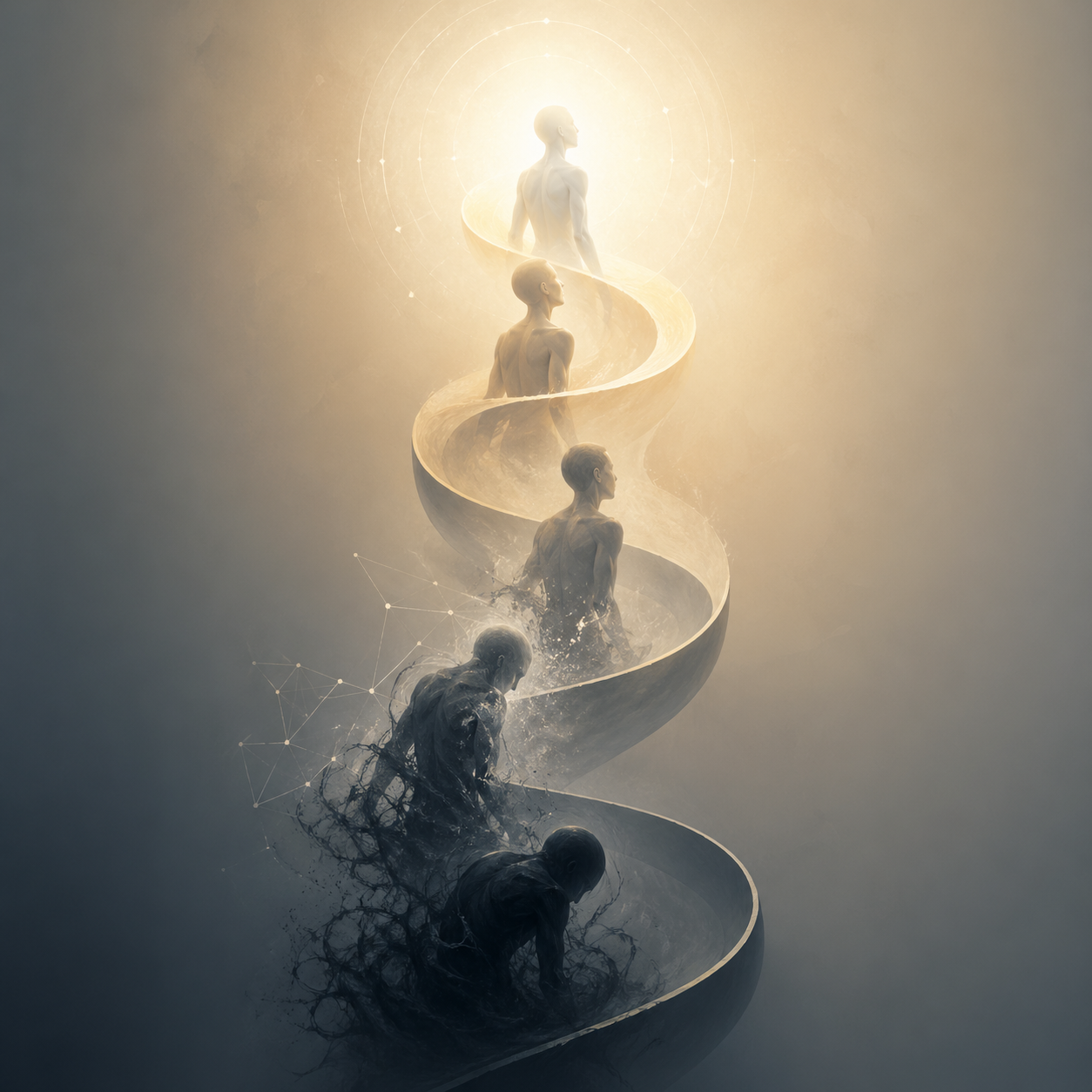
If space and time are forms of our intuition rather than features of reality as it is in itself, then we never perceive things as they actually are, independent of our perceptual apparatus. We perceive only appearances — phenomena structured by space and time — never things-in-themselves (the noumena). This is the core of Kant's transcendental idealism: the spatial and temporal world is the world as it appears to beings like us, not the world as it is in itself. Mathematics, which deals with space and time, achieves certainty precisely because it describes the structure of our intuition, not external reality. The price of that certainty is limitation: mathematics tells us nothing about how things are apart from our way of perceiving them.
The Transcendental Aesthetic forms the opening section of the Critique of Pure Reason, setting out the a priori conditions of sensibility before Kant turns to the understanding in the Transcendental Analytic. The distinction between phenomena and noumena runs through the entire work.
Related Concepts