The Body Politic as Moral Being
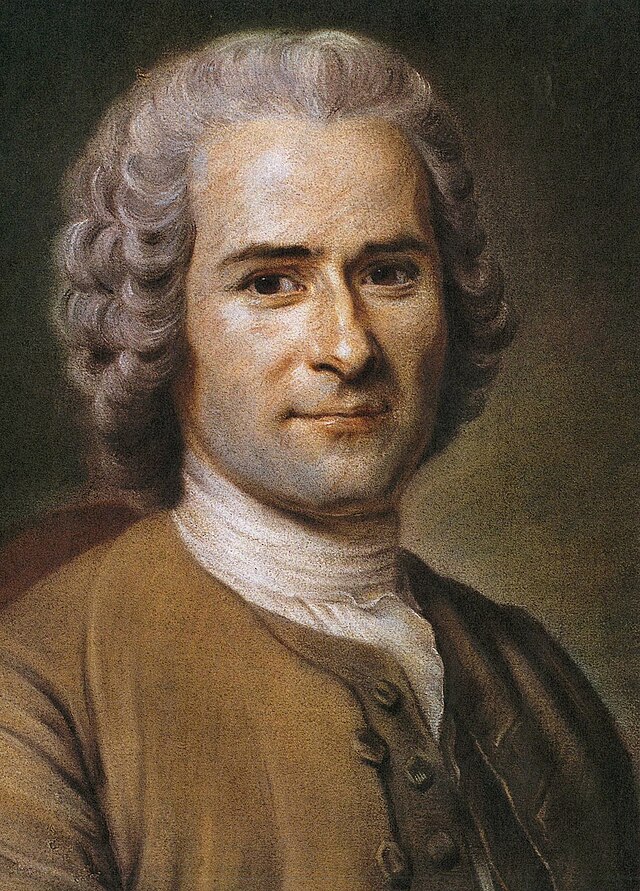
Rousseau opens the Political Economy with the observation that the State, like the human body, is more than the sum of its parts. It has a life, and that life is maintained by the general will — the collective orientation of the whole toward its preservation and welfare. This will is not a metaphor; it is the actual moral reality of political life. When a government legislates in accordance with the general will, it is giving the State its authentic expression. When it legislates in the interest of a faction or a ruler, it is violating the State's deepest nature.
The body politic, therefore, is also a moral being possessed of a will; and this general will, which tends always to the preservation and welfare of the whole and of every part, and is the source of the laws, constitutes for all the members of the State, in their relations to one another and to it, the rule of what is just or unjust
The First Rule of Government
From the general will, Rousseau derives the first and most important rule of legitimate government: follow it in everything. This sounds abstract, but it has a specific implication: rulers must learn to distinguish their own particular wills — their private interests, their vanity, their ambition — from the general will of the community. This distinction is always difficult, but it is the fundamental task of statecraft. Governments that cannot make it inevitably degenerate into tyranny.
Particular Wills Against the General
The great danger to political life is not ignorance or poverty but the proliferation of particular interests that come to dominate public deliberation. Factions, cliques, and vested interests all claim to speak for the common good while pursuing private advantage. The general will cannot be heard in the noise of particular wills clamoring for satisfaction. Good government requires institutions that make the general will audible, and citizens who are formed to listen for it.
The general will and law are discussed in the opening sections of the Discourse on Political Economy (1755). G.D.H. Cole translation, 1913.
Related Concepts