The Paradox of Political Life
For Rousseau, the problem of political philosophy is not how to build the most efficient state, but how to recover the freedom that human beings are born with. Men are by nature free — not lawless or violent, but unconstrained by artificial hierarchies and coerced obligations. Yet every existing society chains them: to rulers who did not earn their authority, to laws they never consented to, to social roles that deform rather than fulfil their nature.
Man is born free; and everywhere he is in chains. One thinks himself the master of others, and still remains a greater slave than they.
The Question of Legitimacy
Rousseau does not claim that political authority is inherently illegitimate. The question he sets is precisely the question of legitimacy: under what conditions could the chains of political life be just? His answer is that they can only be just when they flow from the consent of the governed — when the people, acting collectively as sovereign, gives laws to itself. This is not a merely historical condition that once was met; it is a philosophical standard against which every existing government must be judged.
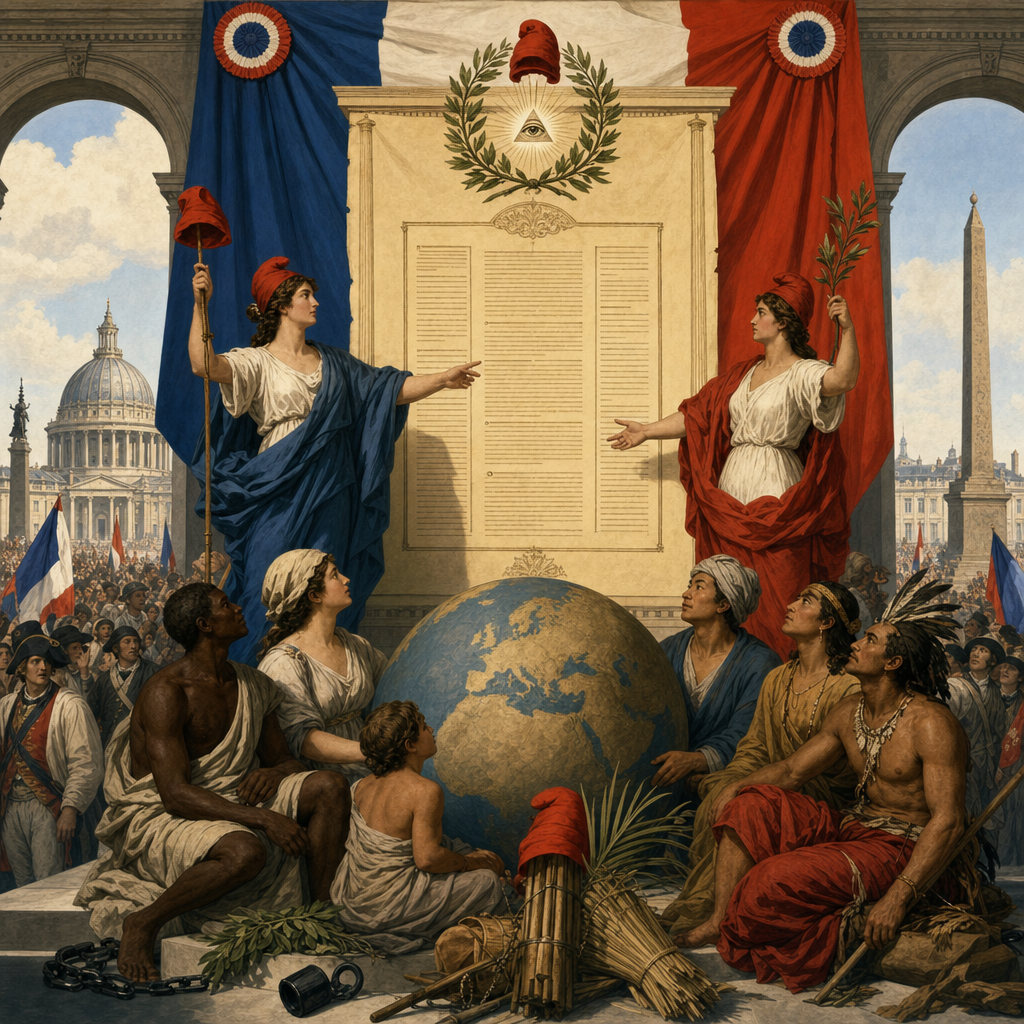
The image of chains is deliberately provocative. Those who see themselves as free subjects of a king, or free citizens of a republic they never chose, are in Rousseau's view no less enslaved than the literal slave — they have simply internalised their servitude. The task of The Social Contract is to describe the conditions under which a truly free political order might exist.
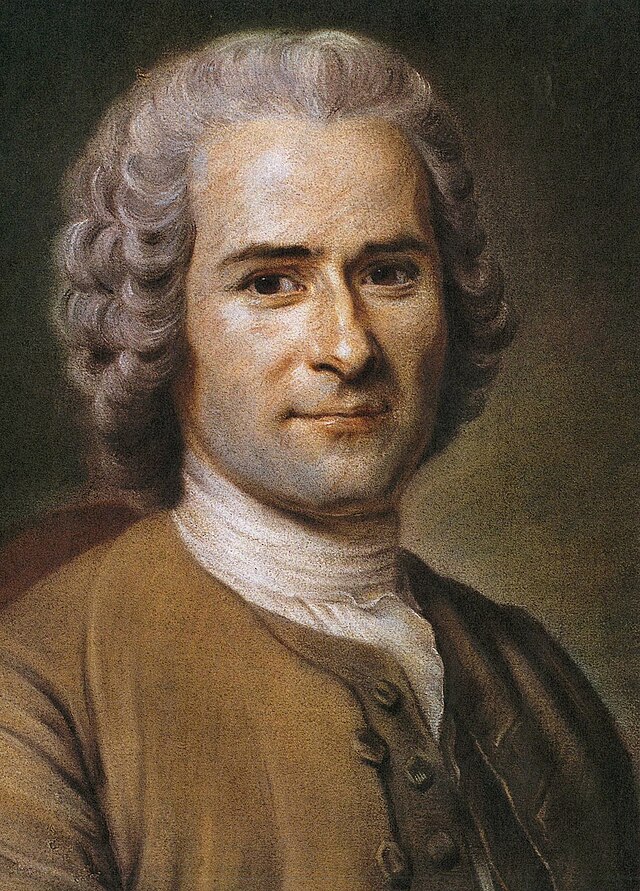
Rousseau opens Book I of The Social Contract (1762) with these words. G.D.H. Cole's 1913 translation.
Related Concepts