Why Friendship Matters Most
Epicurus's prioritisation of friendship might seem in tension with his individualistic account of pleasure, but the tension resolves on inspection. The deepest pleasures — philosophical conversation, the security of mutual trust, the joy of sharing both good times and difficulties — are intrinsically social. They cannot be achieved alone. Moreover, friendship provides a unique form of security: the friend who can be trusted absolutely is a source of confidence that material wealth cannot buy. The Epicurean who has good friends is safe in a way that the rich person surrounded by flatterers and rivals is not.
The Utility of Friendship
Epicurus acknowledges a tension in his account: if friendship begins in utility — in the recognition that having reliable allies is advantageous — how does it become the supreme good it appears to be? His answer, preserved in various fragments, is that friendship begins in need but grows into something that is valued for its own sake. The friend who started as a useful ally becomes someone whose flourishing matters intrinsically, not merely instrumentally. This developmental account of friendship anticipates Aristotle's account of character-friendship in the Nicomachean Ethics, though Epicurus arrives at a similar conclusion from a different starting point.
The Garden as Model
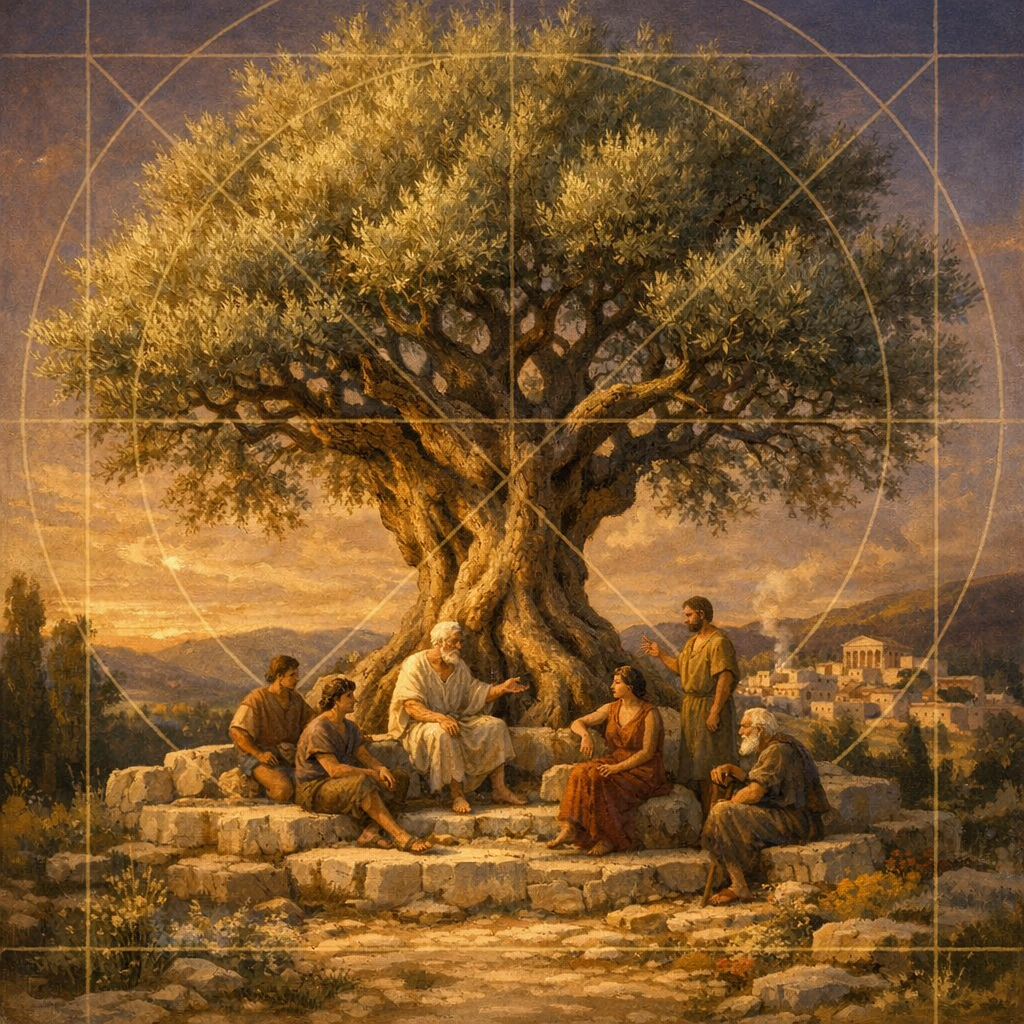
The Epicurean community at Athens — the Garden — was the institutional expression of these convictions. It included not only free adult men but women, slaves, and people of various social backgrounds, united not by birth or status but by shared commitment to the philosophical life. Meals were simple; the conversation was philosophical; the care for one another extended to attending to the sick and supporting members through difficulties. The Garden was not a utopia — human frailties and conflicts are well documented — but it was a serious attempt to live out the conviction that the best life is a shared one, built on the foundation of philosophy and trust.
The primacy of friendship is asserted in Principal Doctrine 27 and in numerous Vatican Sayings. The philosophical basis for the development from utility to intrinsic friendship is addressed in Epicurean fragments preserved by Diogenes Laertius and in the works of Philodemus. Martha Nussbaum's The Therapy of Desire (1994) contains a sustained discussion of Epicurean friendship.
Related Concepts