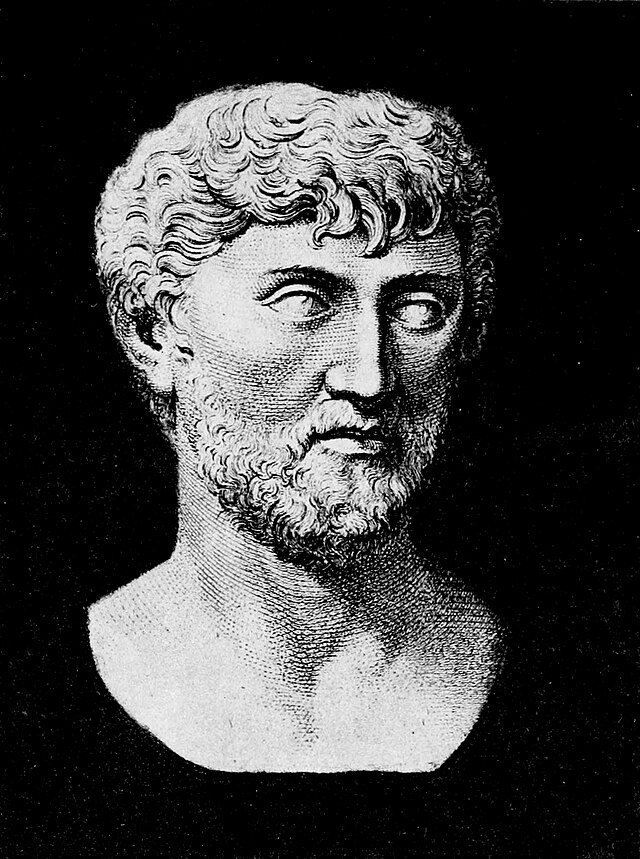
The Mortal Soul
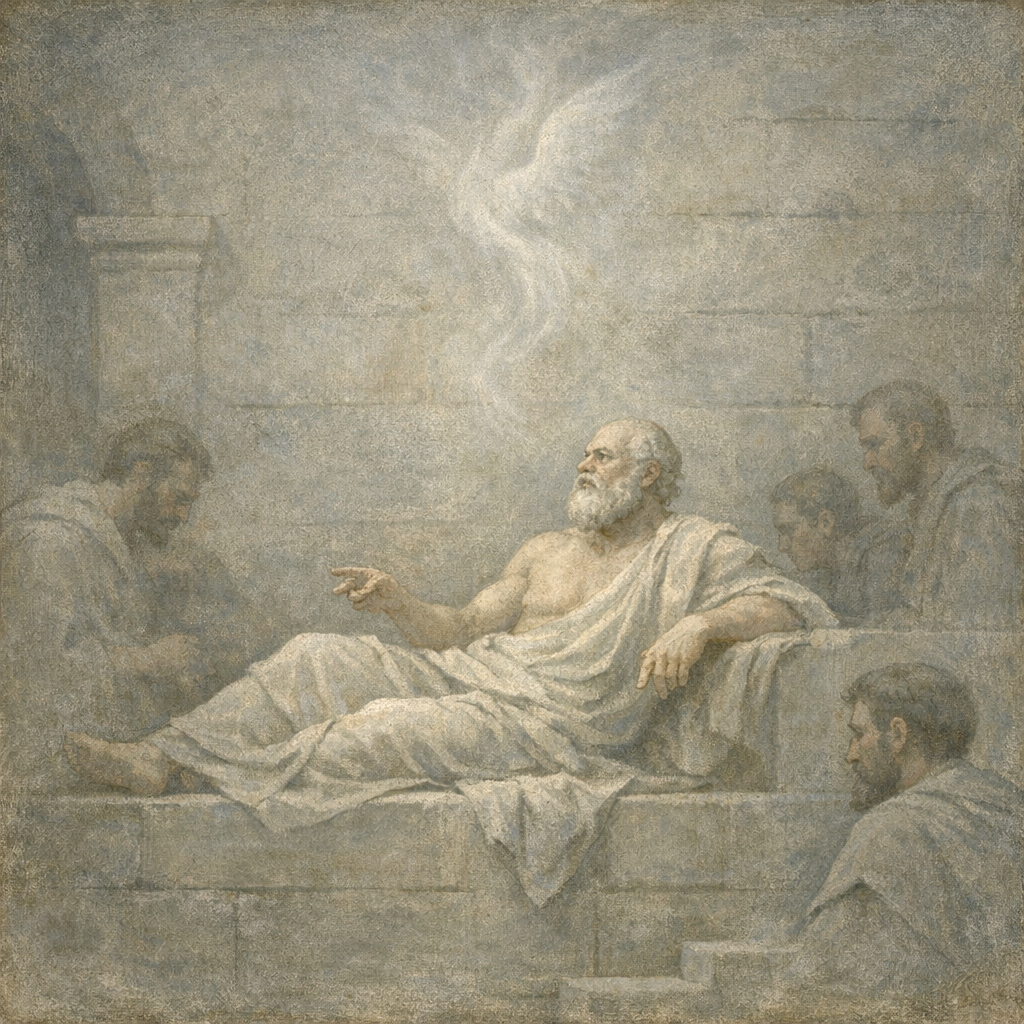
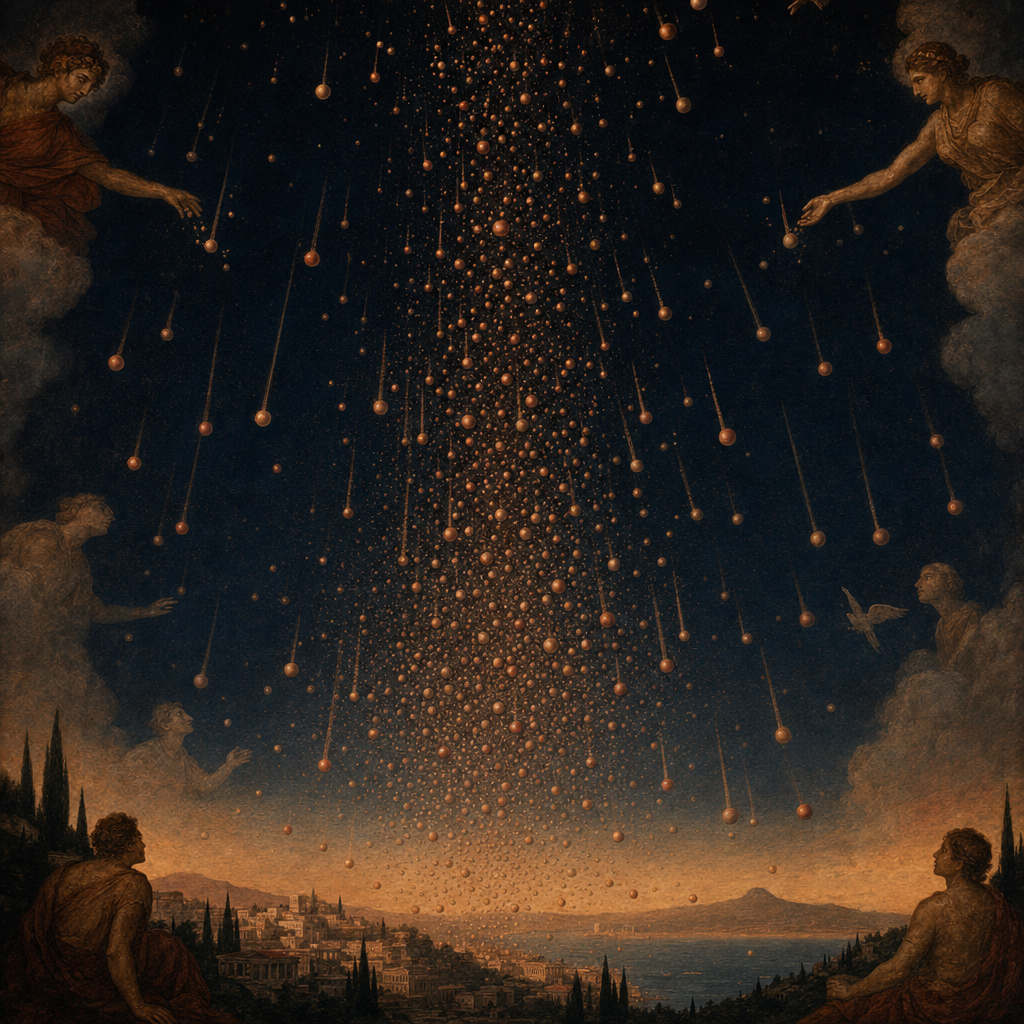
Before addressing the fear of death, Lucretius must establish that the soul is mortal. He does so by showing that soul-stuff is as physical as body-stuff: it is made of very fine atoms, it grows and weakens with the body, it is affected by wine and disease, and it cannot survive when the body that contains it is destroyed. The soul is not imprisoned in the body as Plato thought; it is woven through the body as one constituent among others. When the pattern dissolves, the soul does not escape to another realm — it disperses.
This leads to the core argument. If the soul dissolves at death, there is no subject left to suffer. Death is the permanent absence of sensation, and absence of sensation cannot be experienced as bad any more than dreamless sleep is experienced as bad while you are in it. The fear of death is the fear of something that, by definition, will not be there when it arrives.
The Mirror of Pre-existence
Lucretius's most rhetorically powerful move is the symmetry argument. We do not grieve for the infinite time before we were born — the Punic Wars raged, empires rose and fell, and we felt nothing, because we did not exist. Death is simply the other edge of the same nonexistence. If we accept pre-natal nonexistence as untroubling, why should we dread post-mortem nonexistence? The future darkness is a mirror of the past darkness we have already, painlessly, lived through.
Look back: Nothing to us was all fore-passed eld Of time the eternal, ere we had a birth. And Nature holds this like a mirror up Of time-to-be when we are dead and gone. And what is there so horrible appears? Now what is there so sad about it all? Is't not serener far than any sleep?
The Complaints of Life
Lucretius adds a further, subtler point. Much of what men call fear of death is really dissatisfaction with life — a vague restlessness, the sense that something is missing, the futile accumulation of pleasures that never quite satisfy. This is not a reason to fear death; it is a reason to live better. The Epicurean prescription is not suicide but philosophy: understand the nature of things, and you will find that simple pleasures — friends, calm, intellectual inquiry — are genuinely sufficient. The desperate flight from death is itself a symptom of a life not properly lived.
The argument that death is nothing to us ("mors nihil ad nos") appears in Book III of De Rerum Natura and derives from Epicurus's Letter to Menoeceus. The symmetry argument — comparing post-mortem nonexistence to pre-natal nonexistence — is specifically Lucretian in its elaboration.
Related Concepts