Beyond Custom and Convention
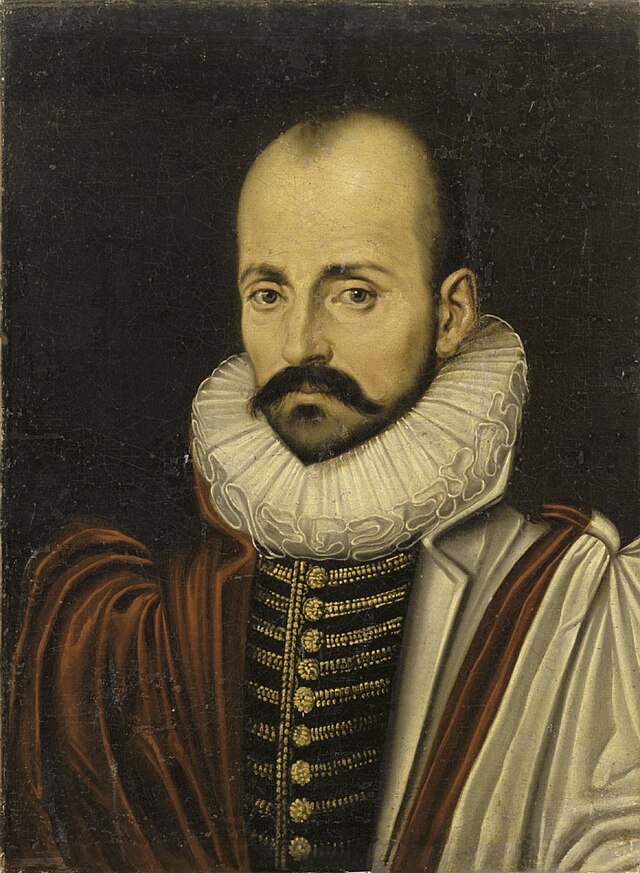
Montaigne begins by clearing the ground. He distinguishes his subject from the common friendships of social life, from the commercial loyalties of political association, and from the erotic attachments that fashion calls love. These are all relationships of function or pleasure — they exist because they serve something. The friendship he has in mind serves nothing. It simply is.
Why did Montaigne love La Boétie? He famously refuses to explain: Because it was him; because it was me. This refusal is not evasion — it is precision. Perfect friendship cannot be decomposed into reasons without being transformed into something lesser. It is a recognition, not an arrangement.
Two Souls, One Form
In such a friendship, the boundary between self and other becomes permeable. Each person gives himself entirely; there is nothing to divide between them, no private reserve, no accounting of debt and benefit. The lover of his friend in this sense is not diminished but completed.
I have only led a languishing life; and the very pleasures that present themselves to me, instead of administering anything of consolation, double my affliction for his loss. We were halves throughout, and to that degree, that methinks, by outliving him, I defraud him of his part.
The Grief of Survival
Montaigne wrote this essay when La Boétie had been dead for years, and the grief has not softened into acceptance. Every pleasure that remains only sharpens the absence. The essay does not offer resolution — it offers witness. To have been so fully known by another, and to have fully known him, is itself an answer to life's most searching question.
From Book I, Chapter XXVII of the Essays. La Boétie died in 1563; Montaigne began the Essays approximately fifteen years later. The essay originally contained La Boétie's 29 sonnets in the middle, which Montaigne later removed.
Related Concepts